Family Interventions for Substance Use, Mental Health, and Dual Diagnosis in Little Rock, Arkansas
Understanding Addiction & Mental Health Challenges in Little Rock
Little Rock, Arkansas, is not immune to the rising crisis of addiction and mental health disorders affecting families across the country. The state has seen a significant increase in opioid-related overdoses, with fentanyl contributing to a growing number of deaths. Additionally, methamphetamine and alcohol abuse remain widespread, placing immense strain on families and local resources. According to the Arkansas Department of Human Services, access to behavioral health treatment continues to be a challenge, particularly for those in rural areas surrounding the city.
Beyond substance use, mental health conditions such as depression, anxiety, and PTSD often co-occur with addiction, making recovery even more complex. Many individuals in Little Rock struggle in silence, either due to a lack of access to care or a deep-seated fear of stigma. Unfortunately, untreated addiction and mental illness can lead to job loss, broken relationships, homelessness, and even incarceration. When families are left feeling helpless, an intervention can be the turning point that shifts a loved one from denial to acceptance of treatment.
Barriers to Treatment in Little Rock & How Families Can Overcome Them
Despite the presence of rehabilitation centers and mental health facilities, many families in Little Rock encounter significant barriers when seeking treatment for their loved ones. Some of the most common challenges include:
1. Limited treatment availability, Long waitlists and high demand for services can delay the recovery process.
2. Stigma surrounding addiction and mental health, Many individuals fear judgment, preventing them from reaching out for help.
3. Financial concerns, The cost of treatment can be overwhelming, especially for those without adequate insurance.
4. Resistance to change, Loved ones often deny the severity of their condition, refusing to seek treatment on their own.
These obstacles can leave families feeling trapped in an exhausting cycle of crisis and fear. However, working with a professional interventionist in Little Rock can provide a clear path forward. A structured intervention gives families the tools to set boundaries, communicate effectively, and present treatment as a viable solution, rather than an ultimatum.
How Families Can Encourage a Loved One to Accept Help
When a loved one refuses to acknowledge their struggles, it can be heartbreaking for families to watch. The natural response is often pleading, arguing, or even enabling behaviors, which only reinforce the cycle of addiction. Instead, families can take proactive steps to encourage change:
Educate yourself about addiction and mental health
Understanding the science behind substance use disorders can help you approach conversations with empathy.
Use non-confrontational language
Avoid blame or shame; instead, express your concerns with statements like, “I love you, and I’m worried about your health.”
Set clear and firm boundaries
Enabling behaviors, such as financial support or covering up for their actions, often delay the decision to seek help.
Seek professional guidance
A trained interventionist can facilitate difficult conversations and create a plan tailored to your loved one’s unique situation.
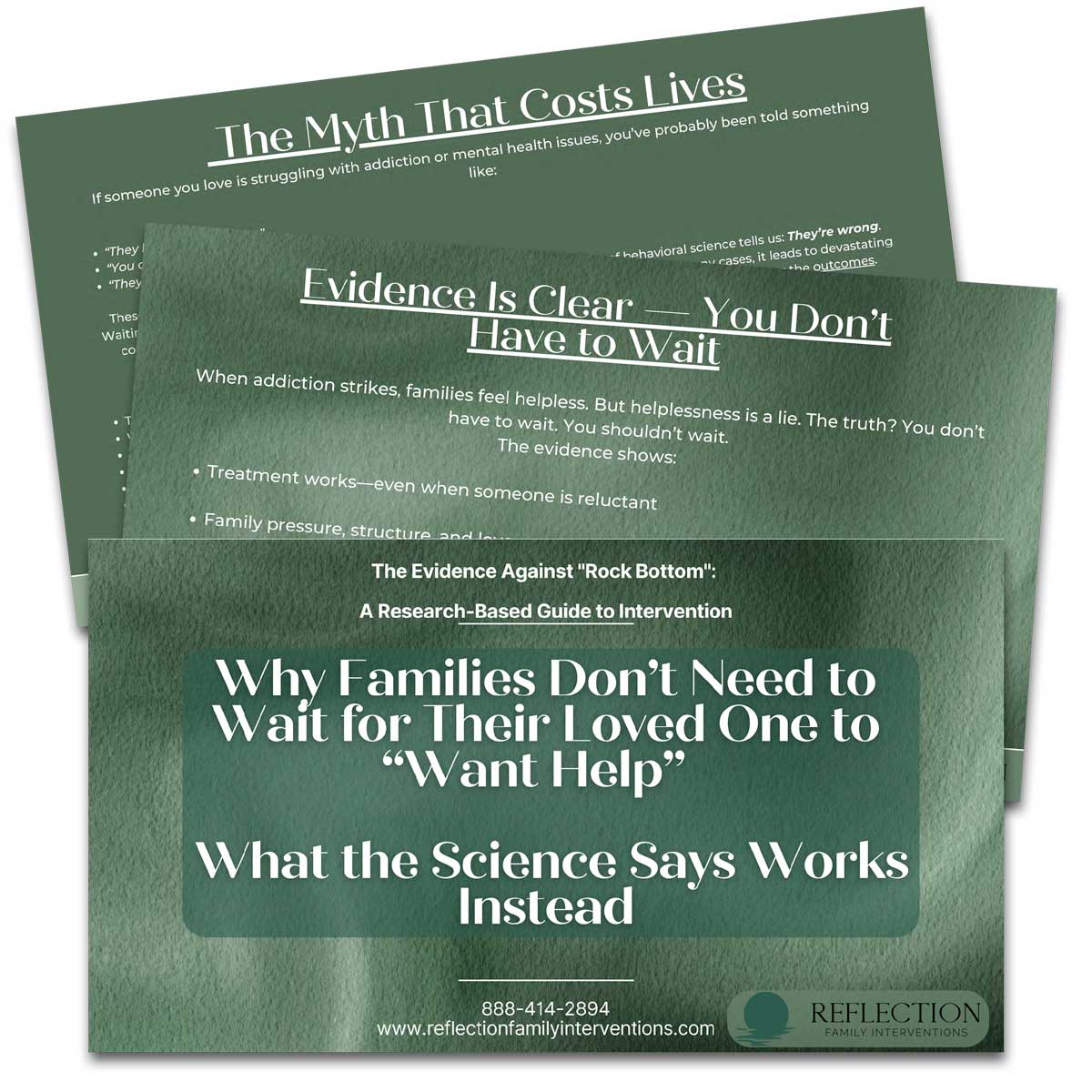
An intervention is not about forcing someone into treatment, it is about breaking through denial and showing them that support is available.
Intervention: A Proven Strategy for Lasting Change
Interventions are not about confrontation; they are about connection, structure, and professional guidance. Many individuals struggling with addiction do not seek help because they feel isolated, ashamed, or fearful of what treatment might entail. A professional interventionist in Little Rock helps families prepare, communicate, and take action in a way that increases the likelihood of treatment acceptance.
The intervention process typically includes:
Pre-intervention planning
Families work with an expert to develop a strategy, ensuring everyone is aligned in their approach.
Facilitated meeting with the loved one
A structured and compassionate conversation is led by the interventionist to encourage treatment acceptance.
Transition into care
If the loved one agrees to treatment, professional transport services can be arranged to ensure they arrive safely.
With professional support, a well-executed intervention has a high success rate, helping individuals move toward lasting recovery.
A Path to Hope & Recovery in Little Rock
If you have been watching a loved one struggle with addiction or mental health challenges, you do not have to navigate this journey alone. The path to healing is possible, and an intervention could be the first step toward lasting recovery. At Reflection Family Interventions, we specialize in guiding families through this difficult process, offering expertise, compassion, and a structured approach that leads to real change.
Do not wait until the situation worsens, help is available today. Contact us to learn more about how an interventionist in Little Rock, Arkansas, can support your family in taking the next steps toward healing. Hope starts here. Let us help you take that first step.