Reflection Family Interventions is a dedicated intervention program with nationwide connections, including in New York City and across New York State. We can connect you to an intervention specialist to help your family begin the recovery process, navigating the effects of addiction and mental health disorders not only on an individual but also on the whole family.

NYC Interventionist for Addiction & Mental Health
Reflection Family Interventions is dedicated to familial healing, combining evidence-based care for intervention overcoming addiction and mental health disorders with programs for family-based change. We support families, spouses, and parents of adults in not only planning an intervention but also providing resources, guidance, and compassionate care to ensure that these interventions are successful and translate to effective addiction treatment and long-term sobriety.
Each of our programs is equally committed to helping family members address the effects of addiction at home and in their relationships. With a three-day intervention plan and a six-month recovery coaching session, we create a plan that fits the unique challenges your family faces, with individualized case management and approaches to change.
Our programs are committed to family-oriented care, providing the tools for a successful intervention, but also challenging family systems, developing communication, and providing resources for family members overcoming addiction together, especially in times of crisis where immediate change and a commitment to healing are necessary.
We also connect you and your family with the most appropriate treatment centers across New York, from Manhattan and Brooklyn to the Bronx, and spanning outside the city to encompass the entirety of New York State. Through a combination of in-person intervention support or virtual care options, you are never far from the resources needed to explore the best path into effective addiction recovery.
We are not associated with any particular addiction, mental health, or dual diagnosis recovery facility, ensuring that we can provide a referral to the treatment centers that are most appropriate for your needs, goals, and personal journey without outside influences, so you and your loved one get the treatment you need for effective, lasting change.
Interventions in New York City: Professional Guidance for Families Facing Substance Use & Mental Health Crises
New York City is known for its energy, diversity, and opportunities, but it is also a place where substance use disorders and mental health struggles are on the rise. With millions of residents across five boroughs, the city faces a significant crisis fueled by opioid addiction, alcohol abuse, and increasing rates of fentanyl-related overdoses. The fast-paced, high-stress environment, combined with socioeconomic disparities, has contributed to a surge in co-occurring disorders such as anxiety, depression, and post-traumatic stress disorder (PTSD).
While NYC has a vast network of hospitals, rehabilitation centers, and mental health professionals, many individuals struggling with substance abuse do not seek help until a crisis occurs. Families often feel trapped in a cycle of hope and disappointment, unsure how to break through denial and encourage their loved one to accept treatment. A professional interventionist in New York City can provide families with the structure and support needed to take meaningful action.
Overcoming Barriers to Treatment in New York City
Despite its extensive healthcare infrastructure, accessing treatment in New York City can be more difficult than expected. Families frequently encounter barriers such as:
1. Long wait times for inpatient and outpatient programs, leaving individuals without immediate care.
2. The high cost of treatment, particularly for those without comprehensive insurance coverage.
3. Stigma and cultural pressures, especially within tight-knit communities where addiction is seen as a personal failing.
4. A reluctance to accept help, as many individuals believe they can manage their struggles independently.
In a city where everything moves quickly, waiting for a loved one to seek help on their own can lead to unnecessary danger and risk. A professional intervention provides families with a plan, helping them overcome resistance and quickly connect their loved one to the right resources, support groups, and a dedicated clinician.
Interventions can be effective for families, encouraging a loved one to make their own commitment to change. However, it is just the beginning of change. An addiction intervention can help families continue to provide effective support throughout the healing process, create change at home, and challenge unhealthy family dynamics like codependency for a unified and effective approach to long-term sobriety and healing.

Helping a Loved One See the Need for Change
Many families feel helpless when trying to convince a loved one to enter treatment. Emotional pleas, threats, and ultimatums often do not work, leaving families frustrated and exhausted, leading to further distrust between family members and an even more tense atmosphere. Instead, intervention is most effective when approached with clarity, consistency, and professional support.
Making the most of an intervention means understanding its benefits and working with professionals to ensure a fair and effective approach to change.
Maintaining a united front
Mixed messages from family members can create confusion and resistance.
Framing treatment as an opportunity rather than a consequence
Instead of saying, “You need to go to rehab,” try, “We want to support you in getting the help you deserve.”
Setting realistic boundaries
An interventionist can help families define clear expectations that encourage accountability while maintaining compassion.
A well-structured intervention helps shift a loved one’s perspective, making them more receptive to seeking treatment while feeling supported rather than attacked.
How a Professional Intervention Can Make the Difference
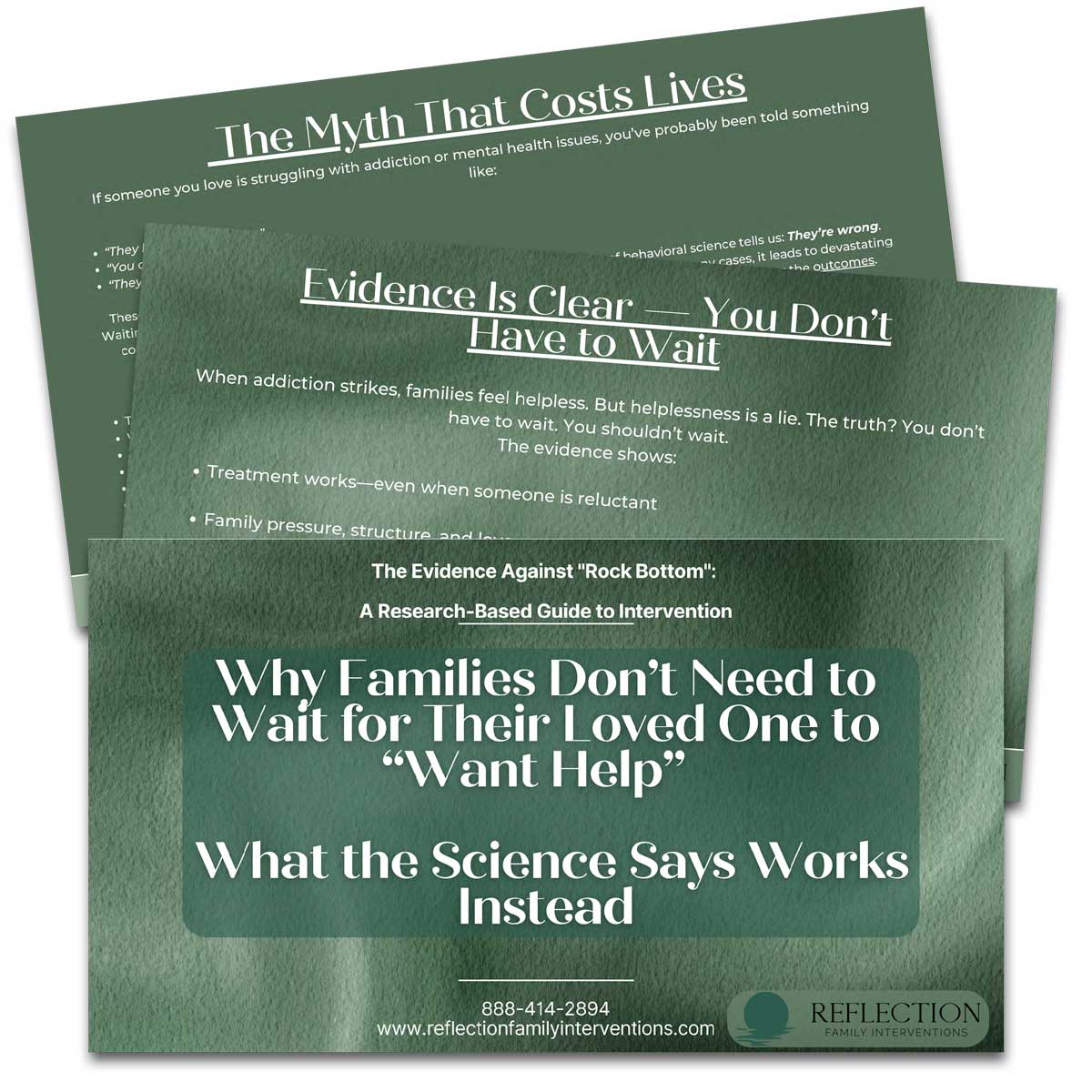
Contrary to popular belief, individuals struggling with addiction do not always have to “hit rock bottom” before seeking help. In fact, most successful recoveries begin with structured, early intervention. A professional interventionist provides:
Guided, non-confrontational approach that minimizes emotional outbursts and maximizes clarity, expectations, and creates a fair and safe environment.
Expert facilitation, ensuring that the family’s message is consistent, compassionate, and effective, while also staying on-message throughout this emotionally-charged time.
Comprehensive family coaching to help loved ones heal and avoid enabling behaviors, encouraging healing for the whole family, not just an individual
Safe, professional transport services to ensure a smooth transition into treatment.
By reducing confusion and providing actionable solutions, interventions significantly increase the likelihood that a loved one will accept treatment and remain engaged in their recovery journey. Interventions also ensure that individuals and families start this part of the journey with support and understanding, not resentment, creating a unified approach to ongoing healing for entire families.
Hope & Healing in New York City Starts with a Single Step
If your family is struggling with a loved one’s addiction or mental health crisis in New York City, you do not have to go through this alone. Taking the first step can be overwhelming, but the right guidance can make all the difference.
At Reflection Family Interventions, we specialize in helping families navigate this difficult process with expertise, care, and compassion. If you need a professional interventionist in New York City, contact us today. A brighter future begins with action.
FAQs
What is the difference between an interventionist and an interventionalist?
While an interventionist provides support, guidance, education, and facilitates a safe and effective intervention, an interventionalist instead provides a medical approach to services. Our intervention services are conducted by an interventionist who works with you and your family to provide additional resources that help you make the necessary changes for healing.
How can I find a reputable interventionist in NYC?
Contacting various programs, learning about their approaches, and talking with other family members about personal needs, goals, and challenges in each unique situation can all inform the selection of the right interventionist. Availability can also be important, as having access to care when you need it in moments of crisis is crucial. Reflection Family Interventions can help not only connect you with the most appropriate treatment facilities, but also take a personalized approach to each situation, with options for intervention services to support you when you need it most.
What should I expect during the intervention process?
An intervention is complicated and intense, which is why having educated, professional support during this time is so important. Each intervention will include stages for planning, with professionals working with family members to explore the situation, how addiction and mental health disorders have affected family members, and the personal impact that these challenges have had on each person. Then, there will be time for rehearsal, where family members will practice what they want to say and edit their message to stay on target and avoid miscommunication, blame, or unnecessary contentious language.
Next is the actual intervention, sitting down with a loved one and other family members to discuss the impact of addiction in a safe and curated space. This is difficult, and it can be incredibly emotionally-charged. However, it is crucial to lead a loved one into effective treatment, empower them to pursue care, and allow family members to explore how they can support change and transform the home into a space that reflects this newfound commitment to healing.
Can a professional interventionist help with drug addiction?
Absolutely. A professional interventionist can help explore the far-reaching effects of drug addiction, as well as outline the healing process, structure the next step, and explore professional healing opportunities for individuals and their families, all while reducing conflict, preventing escalation, and providing education for family members on becoming more effective supports or preventing enabling behaviors.
What role do interventionists play in aftercare?
Interventionists are committed to long-term change, not just a short-term commitment. Our programs include ongoing communication and resources, family coaching and relapse-prevention planning, as well as continued guidance, including transitioning between levels of care and reaching new milestones.