







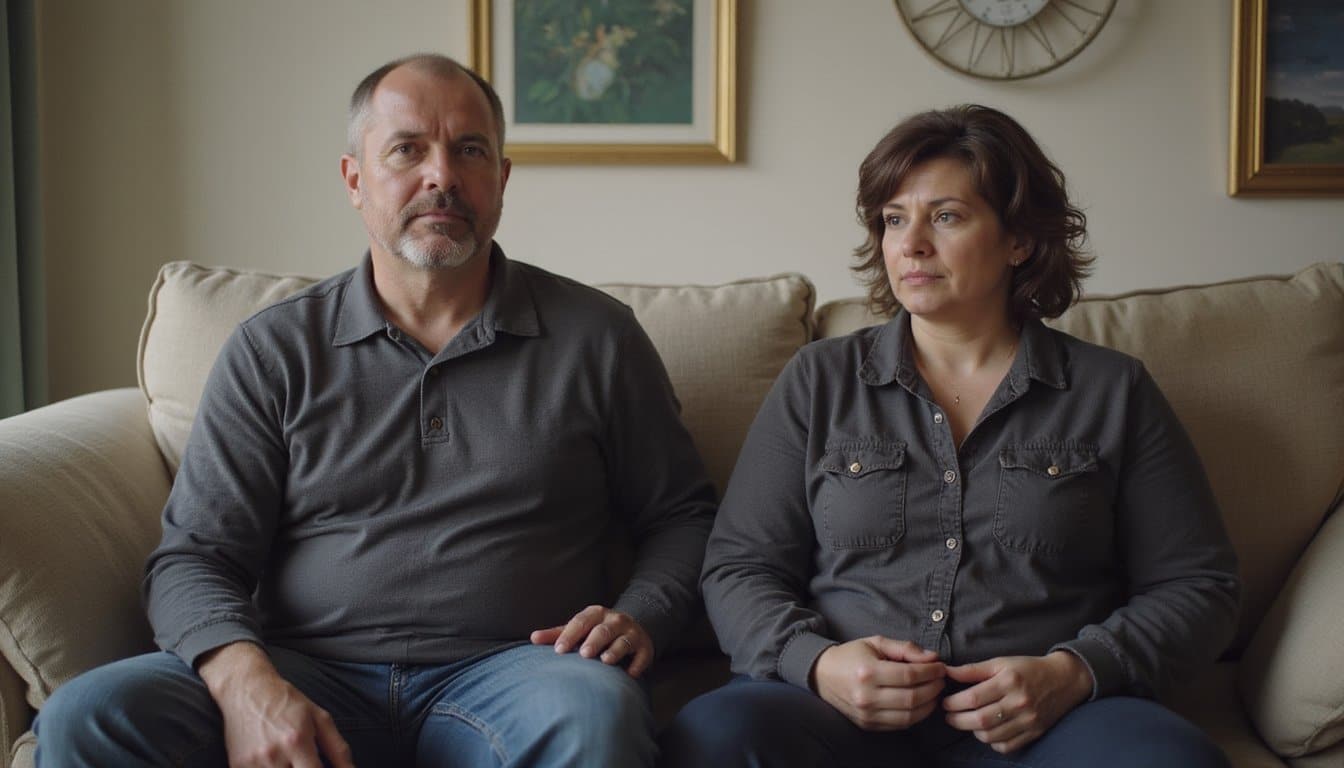
If you’re here, you likely already feel the weight of something being “off.” Maybe it’s an addiction. Maybe it’s a mental health crisis. Maybe it’s both. And maybe you’ve been waiting, hoping things would just get better. This is normal. Families often wait months, or even years, to intervene, not because they don’t care, but because they’re afraid.
- Afraid of making things worse.
- Afraid of being pushed away.
- Afraid of ruining the relationship.
- Or unsure if things are “bad enough” yet.
Here’s the truth: the most harmful form of enabling is doing nothing at all. Silence and inaction can unintentionally reinforce destructive behavior. And in the case of addiction or untreated mental illness, time rarely makes things better on its own. These are progressive conditions.
Just like with any other health crisis, cancer, diabetes, or a heart condition, the sooner you act, the better the prognosis.
If you’re reading this, then you’re probably already past the point of waiting. You know something needs to happen. You just need help making sense of what to do next.
This guide will walk you through how to do an intervention, every step of the way.
What Is a Family Intervention?
A family intervention is more than just a single conversation. It’s a planned, coordinated effort by family and loved ones to break through a loved one’s denial and offer a structured path toward treatment and recovery.
It’s not about forcing them, it’s about choosing recovery for yourself.
There are two goals in a well-executed intervention:
- To get your loved one into treatment.
- To begin the long-term recovery process for the entire family system.
Many people think of an intervention as a dramatic, emotionally charged confrontation, but that’s not the goal. A real intervention is calm, compassionate, direct, and organized. It involves planning, practice, and preparation.
At its best, a family intervention is an act of love with structure, not anger with an ultimatum.
Getting Them Into Treatment Isn’t Enough
Most interventions focus only on the short-term goal: getting a “yes” to treatment. While that’s important, it’s not enough.
Here’s why:
- Treatment is only the first step in a long-term recovery journey.
- Many people leave treatment early or relapse soon after discharge.
- The same family dynamics that existed before treatment are often still there afterward.
So what happens? The loved one returns to the same environment, and old patterns resume.
That’s why Reflection Family Interventions doesn’t stop at “treatment acceptance.” We work to create lasting change by preparing the entire family system, not just for the intervention, but for the recovery journey that follows.
The difference between short-term compliance and long-term recovery is whether the whole family gets support and changes, not just the one who’s struggling.
When to Intervene: The Best Time Is Always Now
You don’t have to wait for rock bottom. In fact, you shouldn’t.
Rock bottom might mean an overdose. A suicide attempt. An arrest. The end of a marriage. Job loss. Or even death. By the time your loved one hits that point, the damage to their body, brain, finances, and relationships may be irreversible.
So how do you know it’s time to intervene?
Here’s your checklist:
- You’ve noticed patterns of lying, manipulation, or denial.
- There are signs of addiction, untreated mental illness, or dangerous behavior.
- You feel like you’re walking on eggshells.
- You’ve tried talking, reasoning, helping, and nothing is working.
- You’re starting to feel afraid or emotionally worn down.
If any of that resonates with you, it’s time.
Step-by-Step: How to Plan and Execute a Family Intervention
This is the heart of the guide, a complete walk-through you can follow whether you work with a professional or take a coached/self-guided approach.
Step 1: Acknowledge the Problem, as a Family
Before you can help your loved one, you need to unify as a family. That means coming together, talking honestly, and agreeing that change is necessary.
- Start with a small group (3, 6 people).
- Choose people who are emotionally stable and respected by the person in crisis.
- Avoid including anyone who might sabotage the process with anger or blame.
Tip: Don’t involve people who are actively using drugs/alcohol or have unresolved resentment. The goal is unity, not conflict.
Step 2: Consult With a Professional (Optional but Highly Recommended)
Even if you don’t want a fully facilitated intervention, a consultation with a professional can help you avoid critical mistakes.
Reflection Family Interventions offers coached intervention services for families who want to lead the process themselves with expert guidance. We help with:
- Strategy and script development
- Treatment center selection and logistics
- Coaching on boundaries and emotional preparation
- Post-intervention family support
Whether you go it alone or hire help, don’t skip the planning stage.
Step 3: Plan the Intervention Structure
Here’s what needs to be decided:
- Date, time, and location: Choose a private, neutral space.
- Who will speak and in what order
- Who will transport your loved one to treatment
- Where they will go (treatment should be pre-arranged)
- What will happen if they say no
- Where will the family receive help? (treatment center family services are often insufficient)
Your loved one may or may not be aware of the intervention beforehand. Consulting with a qualified professional can help you understand whether an invitational model is appropriate. As a general rule of thumb, invitational models take longer and are more appropriate for early stage addictions, where pre-planned interventions are more appropriate for late stages, crisis, or life threatening situations.
Leave us a message here and our team will guide you.
Step 4: Write and Practice Letters
Each person should prepare a letter or script that follows this structure:
- Love and Concern: Express your love and how much the relationship means.
- Facts and Impact: Share specific examples of how the person’s behavior has affected you.
- Offer of Help: Explain that treatment has been arranged and help is available now.
- Boundaries: Clearly state what you will and won’t do if they refuse help.
Practice is key. Read the letters aloud to each other beforehand. Adjust tone, remove blame, and stay focused on compassion. We have prepared an entire guide on How to Write an Intervention Letter
Step 5: Hold the Intervention
On the day of the intervention:
- Have everyone present and calm before your loved one arrives.
- Sit them down in a private, quiet space.
- Begin by expressing love and concern.
- Read the letters one at a time, in a predetermined order.
- Present the treatment plan and ask for an immediate decision.
- Avoid arguing or negotiating.
- Stay unified and firm.
If they agree to go, have transportation ready immediately. Do not allow them time to “think about it.” Delay often leads to withdrawal.
Step 6: If They Say Yes, Get Them to Treatment
Everything should already be arranged:
- Intake completed
- Bed reserved
- Insurance verified or payment ready
- Bags packed (if possible)
- Transportation available
This is where preparation matters most. The window of willingness is often short.
Step 7: If They Say No, Stay Loving, Stay Boundaried
One of the most difficult outcomes of any intervention is when your loved one says no to help.
It can feel like a gut punch. You’ve done the work, gathered the family, made a plan, and now you’re facing refusal. But here’s what’s important to know:
A “no” today does not mean “never.”
Sometimes, people need time to process. Saying no is often a knee-jerk reaction rooted in fear, shame, or denial, not a final decision. Your job now is not to panic or pressure, but to stay calm, consistent, and compassionate.
What You Can Do If They Say No:
- Stay Grounded in Love
Let your loved one know that your love is unconditional, but your participation in their crisis is not. Reassure them that when they are ready for help, the door is still open.
- Give Them Time, But Let the Boundaries Begin Now
You don’t have to impose a deadline for help. In fact, we believe the offer for help can remain open indefinitely, and your loved one may need time to come to their own decision.
But here’s what does need to change immediately: your response.
The boundaries start now
This means that while your love remains unconditional, your participation in the crisis does not. You’re no longer willing to support the behaviors that allow the problem to continue, whether that’s financial support, emotional rescuing, or minimizing the impact of their actions.
You can say something like:
- “I love you, and I will always be here when you’re ready to accept help. That offer will never go away.”
- “But I can’t continue living like this or pretending everything’s okay. Starting today, I need to make changes too.”
This approach preserves the relationship, communicates long-term availability for support, and removes the safety net that protects self-destruction.
- Don’t Negotiate a Softer Option
It’s common for people in crisis to offer what sounds like a compromise:
- “I’ll think about it.”
- “I’ll call a therapist.”
- “I’ll try outpatient first.”
This is often not a sincere commitment, but a form of hope manipulation, a way to convince you not to follow through with boundaries by giving the illusion of change without actually taking action.
It’s natural to feel tempted by these offers. As a family member, you want to believe any forward movement is progress. But it’s essential to recognize this for what it usually is: a delay tactic to avoid real change.
You are not obligated to accept less than what is truly needed.
If your loved one independently chooses to pursue outpatient treatment or therapy, that’s their right. You do not need to stop them. But that does not mean your boundaries should change.
You can lovingly hold the line:
- “We’re glad you want to do something, and we hope you follow through.”
- “Our boundaries remain in place until we see real, consistent change, not just intentions.”
A single therapy session or a vague promise isn’t enough. What matters is sustained, observable behavior over time.
- Maintain Boundaries with Kindness
Boundaries are not punishments. They’re the necessary lines that protect your health and prevent enabling. You can say things like:
- “I’m not willing to support behaviors that hurt you.”
- “I love you and I’ll be here when you’re ready for help.”
- “I can’t keep pretending things are okay when they’re not.”
- Don’t Debate or Justify
Your loved one may try to argue, deflect, or guilt-trip. Stay calm and avoid getting pulled into circular conversations. Repeat your message: “Help is available. We’re here when you’re ready.”
Examples of Healthy Boundaries You May Need to Set:
- No longer providing money, housing, or transportation
- Requiring sobriety to remain in your home
- Not rescuing them from consequences (e.g., legal trouble, job loss)
- Prioritizing your own mental health by stepping back from toxic dynamics
Boundaries are painful, but necessary. When done with love, they are the most respectful thing you can offer.
The Most Important Thing: Don’t Give Up
Many families feel discouraged when the intervention doesn’t “work” right away. But interventions are not one-time events. They’re part of an ongoing process of change.
Every boundary you set, every message you deliver, every shift in your behavior is a seed planted.
We’ve seen countless families who heard “no” at first, and “yes” weeks or even months later, because they stayed consistent.
If this happens, you’re not alone. And you don’t have to figure it out alone either. Our team at Reflection Family Interventions continues to walk with families post-intervention, helping you hold boundaries, stay emotionally regulated, and prepare for when that “yes” finally comes.
What to Do After They Say Yes
When your loved one agrees to go to treatment, it’s a powerful moment, but the process is far from over. What you do next will significantly impact whether or not they actually follow through, and whether the change sticks long term.
Here’s how to manage the post-intervention transition effectively:
- Move Quickly
If your loved one agrees to treatment, act immediately.
This means:
- The treatment center should already be selected and expecting them.
- Logistics like travel, packing, and intake paperwork should be arranged ahead of time.
- You should have someone prepared to accompany them directly to the facility, ideally that same day.
The window of willingness is often short. Anxiety, shame, or external pressure can cause second thoughts within hours, or even minutes. The longer you wait, the more likely they are to back out.
- Avoid Negotiating the Terms of Help
Even after saying “yes,” your loved one might start to bargain:
- “Can I go next week instead?”
- “Can I just go for 14 days?”
- “Can I check it out first and decide if I like it?”
These are warning signs that their commitment isn’t firm.
Hold steady. Reaffirm the plan:
“We’ve already done the work to find the right program. This is the time to follow through.”
This isn’t about control, it’s about protecting the fragile momentum that’s just begun.
- Maintain Clear Boundaries
Just because they agreed to treatment doesn’t mean everything resets. Continue to reinforce healthy boundaries:
- Don’t reward agreement with special treatment or financial favors.
- Don’t treat them like a hero for saying yes, it’s the first of many hard choices, not the last.
This isn’t about being cold, it’s about creating a clear line between accountability and codependency. Enabling a person in early recovery is just as detrimental, if not more so, than enabling someone in active addiction. You can learn more about enabling and codependency here.
- Focus on Family Recovery Starting Now
Now that your loved one is headed to treatment, the family’s healing begins.
This is often overlooked, but it’s one of the most important steps for long-term success. At Reflection Family Interventions, we offer a 6-month Family Recovery Coaching Program that helps families:
- Break enabling cycles
- Develop healthier communication
- Navigate updates during treatment
- Set boundaries around reintegration
- Heal unresolved trauma and dysfunction
Whether your loved one stays in treatment or leaves early, your growth continues. You can’t control their recovery, but you can transform your own.
Learn more about Family Coaching after Intervention and how we support families through every stage.
- Stay Connected to the Treatment Team
If your loved one enters a licensed facility, the staff should offer regular updates and invite you to participate in family therapy or educational sessions.
You have a right and a responsibility to be involved. Ask:
- How often can we expect updates?
- What does family involvement look like?
- How do we prepare for aftercare and discharge?
Being part of the process allows you to reinforce treatment goals and helps prevent relapse after they return home.
- Prepare for Aftercare Early
Before your loved one finishes treatment, the family should begin discussing:
- Step-down care (e.g., sober living, IOP, therapy)
- Living arrangements after treatment
- Ongoing boundaries and expectations
- What consequences will remain in place if progress stalls
Don’t assume the end of residential treatment means the end of support. The real work often begins afterward.
Saying “Yes” Is a Beginning, Not an Ending
If your loved one accepts help, it’s a major win. But the work doesn’t stop there.
Staying proactive, holding boundaries, and committing to your own healing are what allow this “yes” to turn into something meaningful, lasting change for your loved one, and for your whole family.
How to Choose the Right Treatment Center
Choosing the right treatment center is one of the most critical decisions your family will make during the intervention process. Not all programs are created equal, and the wrong fit, no matter how convenient, luxurious, or affordable, can lead to relapse, early discharge, or worsening of symptoms. We have written an entire article about choosing the right treatment center and offer support in treatment selection.
What Recovery Looks Like for the Family After Treatment Begins
When your loved one enters treatment, it can feel like the crisis is over. In some ways, it is, the immediate danger has passed, and they’re finally in a safe, structured environment. But for the family, this is when the real work begins.
Healing doesn’t stop at admission. In fact, for most families, it starts there.
1. The Family Was in Crisis Too
Addiction, mental illness, or any long-term behavioral issue doesn’t happen in a vacuum. The family system is impacted at every level, emotionally, financially, relationally, and sometimes physically.
You may have experienced:
- Constant anxiety and hypervigilance
- Sleepless nights, waiting for the next emergency
- Emotional shutdown, resentment, or guilt
- Exhaustion from trying to “fix” things
- Division within the family about how to handle it all
Treatment for your loved one may stabilize them, but it doesn’t automatically repair the family system.
That’s why family recovery is just as important, and why we offer structured support through our six-month Family Recovery Coaching Program.
2. Common Myths That Stall Family Recovery
Myth: “They’re in treatment, so we’re fine now.”
Truth: They’re getting help, but you still need healing. If the same enabling patterns, communication breakdowns, or lack of boundaries remain, the old dynamic will return the moment they do.
Myth: “We should just wait and see how they do before making changes.”
Truth: Recovery is most successful when the family changes with the individual. If the home environment doesn’t shift, your loved one may return to triggers, old expectations, or unconscious pressures.
Myth: “If I set boundaries now, I’ll ruin their progress.”
Truth: Healthy boundaries support their progress. They also help you protect your own peace, rebuild trust slowly, and stop cycles of enabling or rescuing.
3. The Family Needs a Recovery Plan Too
Here’s what family recovery often includes:
- Therapeutic support: Individual, couples, or family therapy to address long-standing issues
- Education: Learning about addiction, mental health, trauma, enabling, and relapse prevention
- Boundary setting: Understanding where support ends and enabling begins
- Accountability: Holding yourself and others to the changes you’ve committed to
- Communication skills: Practicing clarity, empathy, and assertiveness in difficult conversations
- Grief processing: Acknowledging what’s been lost or damaged due to the crisis
- Self-care: Rebuilding your own life, health, and identity outside of crisis mode
At Reflection Family Interventions, we walk families through these exact steps, whether or not their loved one stays in treatment.
4. What to Expect Emotionally
It’s common to feel a mix of emotions once the intervention is “successful.” This is normal. You’ve been through an emotional rollercoaster, and your nervous system may still be stuck in crisis mode. Now that the emergency is paused, everything you’ve suppressed starts to surface.
Give yourself permission to feel it all, and don’t do it alone. Family recovery is not just about learning techniques; it’s about healing emotionally and relationally.
Family recovery isn’t about “supporting your loved one better.” It’s about breaking generational patterns, setting yourself free from codependency or fear-based living, and creating a home that supports health, for everyone. When families do the work, outcomes improve. Even if your loved one struggles post-treatment, the family doesn’t have to return to chaos. You can create stability, accountability, and compassion, no matter what happens next.
You Are Not Alone
Thousands of families have sat where you’re sitting. Overwhelmed. Unsure. Afraid of what happens next. But those who take the first step, who stop waiting, who get support, who set boundaries, find something unexpected: Hope. Not the blind hope that things might change someday. But the grounded hope that comes from having a plan, a team, and a path forward.
You don’t have to wait for things to get worse. You don’t have to wait for your loved one to “want it.” And you don’t have to keep managing this on your own.
If your family is ready to move from chaos to clarity, we’re here to walk with you.