

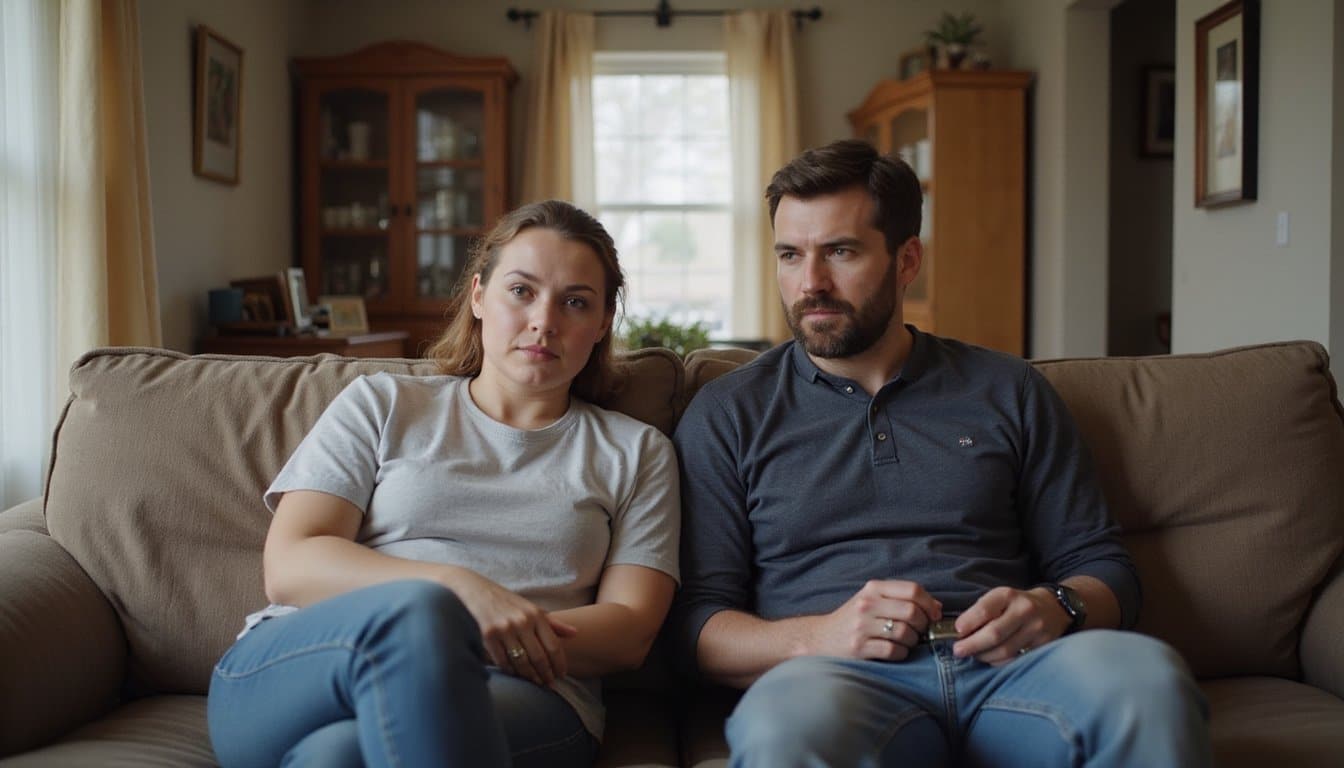






Understanding Gambling Disorder as a Brain-Based Behavioral Addiction
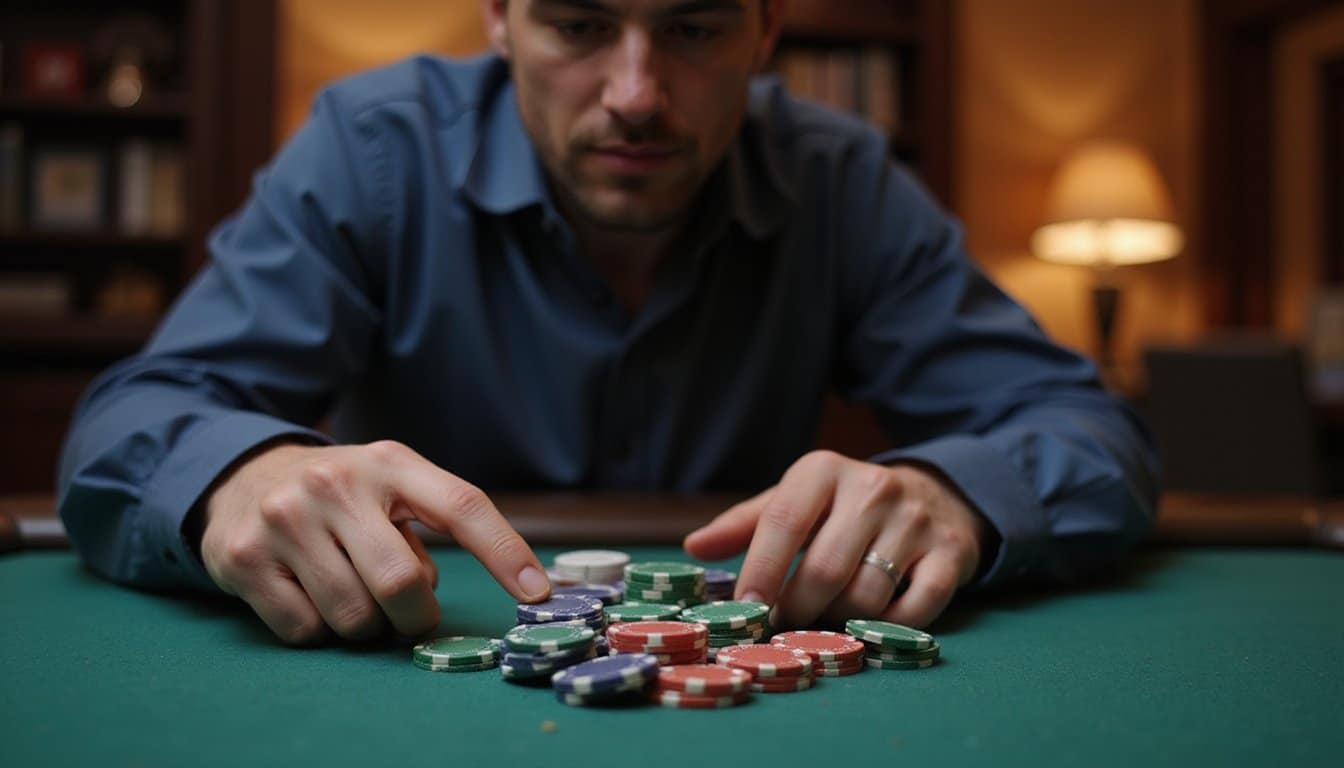
When you can’t stop gambling despite mounting losses and broken promises to yourself, something deeper than willpower is at play. Your brain has undergone real neurobiological changes that mirror those seen in substance addictions.
Research in gambling neurobiology reveals that repeated gambling reshapes your brain’s reward system. You experience dopamine dysfunction as your ventral striatum, the brain’s pleasure center, becomes less responsive to ordinary rewards while remaining highly reactive to gambling cues. This creates a cycle where you need bigger bets to feel the same excitement. The reward deficiency model suggests that an underactive reward system drives this compulsive need for increasingly intense stimulation.
Simultaneously, your prefrontal cortex, responsible for decision-making and impulse control, shows weakened activity. This fronto-striatal imbalance explains why you struggle to resist urges despite knowing the consequences. Research also shows that problem gambling runs in families alongside other addictions, suggesting shared genetic vulnerabilities that affect brain function. Understanding this isn’t an excuse, it’s the foundation for effective recovery.
Recognizing Warning Signs and Assessing Gambling Severity
Recognizing the warning signs of gambling disorder in yourself or someone you care about is an essential first step toward recovery. You might notice behavioral red flags like an inability to stop thinking about gambling, needing to bet larger amounts to feel the same excitement, or hiding financial losses from loved ones. Another common warning sign is chasing losses, where someone repeatedly gambles in an attempt to win back money they’ve already lost. Validated screening tools and diagnostic criteria can help you assess the severity of gambling behavior and determine whether professional support would be beneficial. Research shows that pathological gamblers have a 53.5% lifetime divorce rate, demonstrating how severely this condition can impact personal relationships and family stability.
Common Behavioral Red Flags
Although gambling can start as harmless entertainment, certain behavioral patterns signal when it’s crossing into dangerous territory. You might notice yourself becoming preoccupied with betting, constantly thinking about your next wager or ways to get gambling funds. Social withdrawal often follows as you pull away from friends and family, replacing meaningful connections with gambling activities.
Watch for emotional detachment from people and responsibilities you once cared about. You may find yourself lying about whereabouts, hiding financial statements, or becoming defensive when questioned about your gambling habits. Chasing losses, returning to win back money you’ve already lost, represents a significant warning sign. Problem gambling is often described as a hidden addiction because there are no outward physical signs like those associated with substance abuse.
If you’re gambling beyond affordable limits, borrowing money, or experiencing mood swings tied to wins and losses, these red flags deserve your attention and honest self-reflection. Problem gambling is recognized as a mental health diagnosis, making professional support an important consideration when these warning signs appear.
Screening Tools and Criteria
Because self-awareness alone isn’t always enough to gauge the severity of gambling problems, mental health professionals have developed validated screening tools that provide objective measures of risk. These instruments range from brief screens like the three-item Brief Biosocial Gambling Screen, which demonstrates high sensitivity (0.96) and specificity (0.99), to expansive assessments like the South Oaks Gambling Screen. A yes response to any single item on the BBGS indicates potential gambling-related problems and the need for additional evaluation.
Screening instrument validity matters because accurate identification leads to appropriate intervention. The Problem Gambling Severity Index offers multidimensional assessment by measuring gambling behavior over the previous 12 months using a four-point scale. For quick evaluations, the Lie/Bet Scale asks just two questions about concealing gambling amounts and escalating urges. Research has shown that the PERC 4-item combination demonstrates higher diagnostic efficiency than the NODS-CLiP, capturing all pathological gamblers and nearly all problem gamblers in clinical settings.
If you’re concerned about your gambling, consider asking a qualified professional to administer one of these evidence-based tools for an objective evaluation.
Evaluating Readiness for Change and Overcoming Treatment Resistance

The journey toward gambling recovery rarely follows a straight path, and understanding where you stand with respect to readiness can make a significant difference in your success. Self assessment quizzes can help you identify whether you’re in precontemplation, contemplation, or preparation stages. If you’re minimizing harm or blaming external factors, you may not yet recognize the need for change. If you’re weighing pros and cons but haven’t committed to action, you’re likely contemplating change.
Service accessibility challenges prevent many people from seeking help, only 5.5, 20% of those with gambling disorder ever receive professional treatment. Barriers include shame, stigma, cost, and skepticism about recovery. Approximately 37% of risky gamblers doubt recovery is possible. Recognizing these obstacles helps you address them directly and move toward meaningful change. It’s also worth noting that gambling disorder is familial, meaning if you have relatives who struggled with gambling, you may face increased vulnerability and should consider this when planning your recovery approach. Young adults should be particularly vigilant, as people in their early 20s are the fastest-growing group of gamblers and may need earlier intervention strategies.
Cognitive Behavioral Therapy Techniques for Correcting Gambling Myths
When you’ve decided you’re ready to address your gambling behavior, cognitive behavioral therapy (CBT) offers proven techniques for dismantling the myths and distorted thinking patterns that fuel addiction.
CBT helps you examine gambling related cognitions, like believing you’re “due for a win”, and recognize them as ideas rather than facts. This cognitive distortion awareness creates psychological distance from urges. Research demonstrates that CBT effectively reduces gambling severity and money lost, with benefits lasting up to 24 months after therapy.
Core CBT techniques include:
- Identifying superstitious rituals you believe increase winning odds
- Tracing how your distorted beliefs developed over time
- Replacing faulty reasoning with evidence-based perspectives about probability
- Practicing homework assignments that reinforce corrected thinking patterns
Your therapist will collaboratively help you challenge these myths, ensuring distortions are directly addressed rather than minimized throughout your recovery process. This approach works because CBT is founded on the understanding that thoughts, feelings, and behaviors are intricately linked, meaning changing how you think directly impacts your actions.
Motivational Interviewing Strategies to Build Commitment to Recovery

Although cognitive behavioral therapy targets the distorted thinking patterns behind gambling, motivational interviewing (MI) addresses something equally important: your readiness and commitment to change. This client-centered approach ranks among the most effective evidence based interventions for gambling recovery because it meets you where you are without judgment or pressure.
MI works by helping you explore your own reasons for change through open-ended questions and reflective listening. Your counselor might ask about the pros and cons of gambling or invite you to imagine your life in five years with and without it. This collaborative goal setting process develops discrepancy between your current behavior and what truly matters to you, your relationships, finances, and future. Through this process, you can articulate conflicting feelings about gambling without fear of judgment, which helps you find your own authentic path to recovery.
Research supports this approach, with a systematic review and meta-analysis finding that motivational interviewing produced significant reductions in gambling frequency and expenditure compared to non-motivational controls. When you voice your own motivations, commitment strengthens naturally and durably.
Identifying Triggers and Developing Alternative Coping Responses
Building commitment to change through motivational interviewing gives you a strong foundation, but lasting recovery also requires understanding what pulls you back toward gambling in the first place. Triggers can be internal (stress, boredom, depression) or external (casinos, advertisements, payday). Social network analysis helps you identify relationships that increase temptation.
To identify your triggers effectively:
- Keep a detailed urge diary tracking when cravings hit, your emotional state, and environmental context
- Review past gambling episodes for recurring patterns in timing, location, and mood
- Notice subtle cues like specific routes, sounds, or promotional emails that activate cravings
- Work with a counselor to uncover subconscious triggers
Once identified, you’ll develop alternative responses. Mindfulness based techniques help you observe urges without acting on them, building resilience against relapse. Developing new coping mechanisms such as relaxation techniques and positive thinking strengthens your ability to manage triggers when they arise.
Implementing Financial Safeguards and Practical Relapse Barriers
Because gambling urges often bypass rational decision-making in moments of vulnerability, creating physical and structural barriers between yourself and money becomes one of the most effective recovery strategies available.
Start by limiting cash access through low ATM withdrawal limits and blocking gambling merchant codes on your cards. Consider transferring financial management to a trusted person who can handle bill payments and savings while you focus on recovery.
Establish household financial transparency by creating joint-signature requirements for large withdrawals and maintaining open conversations about spending. Implement debt management strategies through automated payments that reduce available discretionary funds.
Enroll in self-exclusion programs for casinos and online platforms. These legal barriers work alongside your internal commitment, providing essential protection during high-risk moments when willpower alone isn’t enough.
Leveraging Brief Interventions, Self-Help Tools, and Remote Support Options
Even a single 10 to 90-minute intervention with a trained professional can substantially reduce your gambling behavior for up to six months, according to multiple randomized controlled trials. These sessions typically include personalized feedback, motivational enhancement, and practical goal-setting strategies.
Core components you’ll encounter include:
- Personalized feedback showing your gambling patterns and associated risks
- Motivational conversations exploring your reasons for change
- Concrete advice on cutting down or quitting
- Referrals to specialized treatment when appropriate
Gambling focused SBIRT protocols now integrate seamlessly into routine addiction care, making support more accessible. If in-person options feel overwhelming, web based gambling interventions offer similar evidence-based strategies from home. Research shows brief interventions perform comparably to longer therapies on short-term outcomes, meaning you don’t need extensive treatment to start making meaningful progress.
Building Long-Term Recovery Through Peer Support and Ongoing Monitoring
How do you maintain recovery momentum once you’ve taken those first steps toward change? Peer support groups offer powerful community connection where you’ll find others who understand your experiences firsthand. Research shows 60-80% of individuals achieve recovery with proper support systems, and support network accountability helps you stay committed to your goals over time.
Long term relapse prevention requires ongoing monitoring since approximately 90% of problem gamblers experience relapse. You’ll want to establish regular check-ins that identify early warning signs before they escalate. Studies indicate stable recovery typically takes about 4.7 years, with 93% maintaining symptom-free status for two or more years afterward.
Combining peer support with therapeutic approaches like CBT strengthens your foundation. You’re not alone in this journey, sustained engagement with support structures makes lasting change possible.
Frequently Asked Questions
Can Medication Help Treat Gambling Addiction Alongside Therapy?
Yes, medication can help treat gambling addiction when combined with therapy. Research shows medication effectiveness is strongest with opioid antagonists like naltrexone, which considerably reduce cravings and urges. You’ll likely see the best results through holistic treatment approaches that pair medication with cognitive-behavioral therapy. This combination addresses both the neurobiological drivers and behavioral patterns maintaining your addiction. Your doctor can determine if medication’s right for your specific situation and symptoms.
How Does Gambling Addiction Treatment Differ for Teenagers Versus Adults?
Your treatment approach differs markedly based on age. For teenagers, therapy focuses heavily on family involvement, school functioning, and peer relationships since social factors influence gambling severity levels more intensely during adolescence. You’ll find teen programs emphasize parental supervision and digital access management. Adult treatment, meanwhile, prioritizes financial counseling, employment support, and individual autonomy. CBT works for both groups, but adolescent protocols require developmental adaptations since teens often don’t recognize their gambling as problematic.
Do Men and Women Need Different Approaches to Gambling Recovery?
Yes, you’ll likely benefit from gender specific interventions tailored to your unique needs. If you’re a man, you may respond better to structured, goal-oriented behavioral therapy techniques focusing on skill-building and accountability. If you’re a woman, you’ll often find greater success with emotion-focused, trauma-informed approaches that address underlying anxiety or depression. Neither approach is superior, what matters is finding support that resonates with your personal experiences and motivations.
What Role Does Physical Exercise Play in Gambling Addiction Recovery?
Physical exercise plays a powerful role in your gambling recovery by naturally regulating your brain’s reward system and reducing cravings. When you exercise regularly, you’ll experience stress reduction that helps you manage triggers without gambling. You’ll also notice increased confidence as your fitness improves, supporting a healthier identity beyond gambling. Research shows exercise enhances impulse control and fills high-risk time periods, making it an effective complement to your overall treatment plan.
How Can Family Members Best Support Someone Recovering From Gambling Addiction?
You can best support your loved one by providing consistent emotional support without judgment while setting clear boundaries around financial management. Don’t bail out gambling debts, but do encourage professional treatment and participate in family counseling together. Keep communication calm and specific, focus on behaviors rather than labels. Remember to care for your own wellbeing too, as supporting someone through recovery can be stressful. Your steady presence drastically improves their chances of lasting recovery.