








Scientific evidence shows that cannabis generally poses more mental health risks than benefits for most people. You’ll face 2-3 times higher odds of developing psychiatric conditions like depression, anxiety, and psychosis compared to modest therapeutic gains. If you have a personal or family history of mental illness, you’re particularly vulnerable to these risks. While cannabis may help specific medical conditions, the significant psychiatric dangers warrant careful consideration before use. Understanding these complex trade-offs can guide your healthcare decisions.
Understanding the Mental Health Impact of Cannabis Use

While cannabis use affects individuals differently, research reveals complex impacts on mental health and cognitive function. Heavy lifetime use shows significant effects on working memory brain activity in 63% of users, and long-term consumption can lead to decreased motivation and learning difficulties. Research indicates major mental disorders commonly benefit from alternative therapeutic approaches including cannabinoids. Recent studies show brain imaging technology reveals decreased activity in regions responsible for decision-making and emotional processing.
The cannabis psychosis relationship presents intriguing findings, with some patients showing improved cognitive performance when they have a history of use. However, the impact on memory formation varies, with mixed results across studies. While some users experience no significant differences in verbal memory or attention, others show improvements in processing speed and visual memory.
You’ll find that THC’s effects are dose-dependent – lower doses can reduce anxiety, while higher amounts may trigger it. CBD consistently demonstrates anxiety-reducing properties across various dosages.
The Scientific Evidence Behind Psychiatric Risks
Research demonstrates substantial psychiatric risks associated with cannabis use, particularly regarding psychotic disorders and schizophrenia. You’ll face heightened risks if you’re genetically predisposed, as cannabis can trigger brain chemistry alterations that may activate underlying conditions. When concurrent medical conditions exist, these risks intensify greatly. According to recent findings, 52.5 million Americans reported using cannabis in 2021. Studies have linked cannabis use with multiple psychiatric conditions through the GRM3 gene, which is associated with schizophrenia and bipolar disorder. Regular users of high-potency cannabis face four times higher risk of developing schizophrenia compared to non-users.
| Condition | Risk Level | Key Findings |
|---|---|---|
| Psychosis | High | 4x risk with high-potency THC |
| Depression | Moderate | OR 1.17-1.62 for heavy users |
| Anxiety | Variable | Strong link to social anxiety |
| Suicide | Considerable | Increased attempts & ideation |
The evidence shows cannabis use disorder affects roughly 30% of users, amplifying psychiatric vulnerabilities across multiple domains. If you’re a young adult or frequent user, you’re particularly susceptible to developing serious mental health complications, especially when using high-potency products.
Cognitive Function and Cannabis: What Research Shows
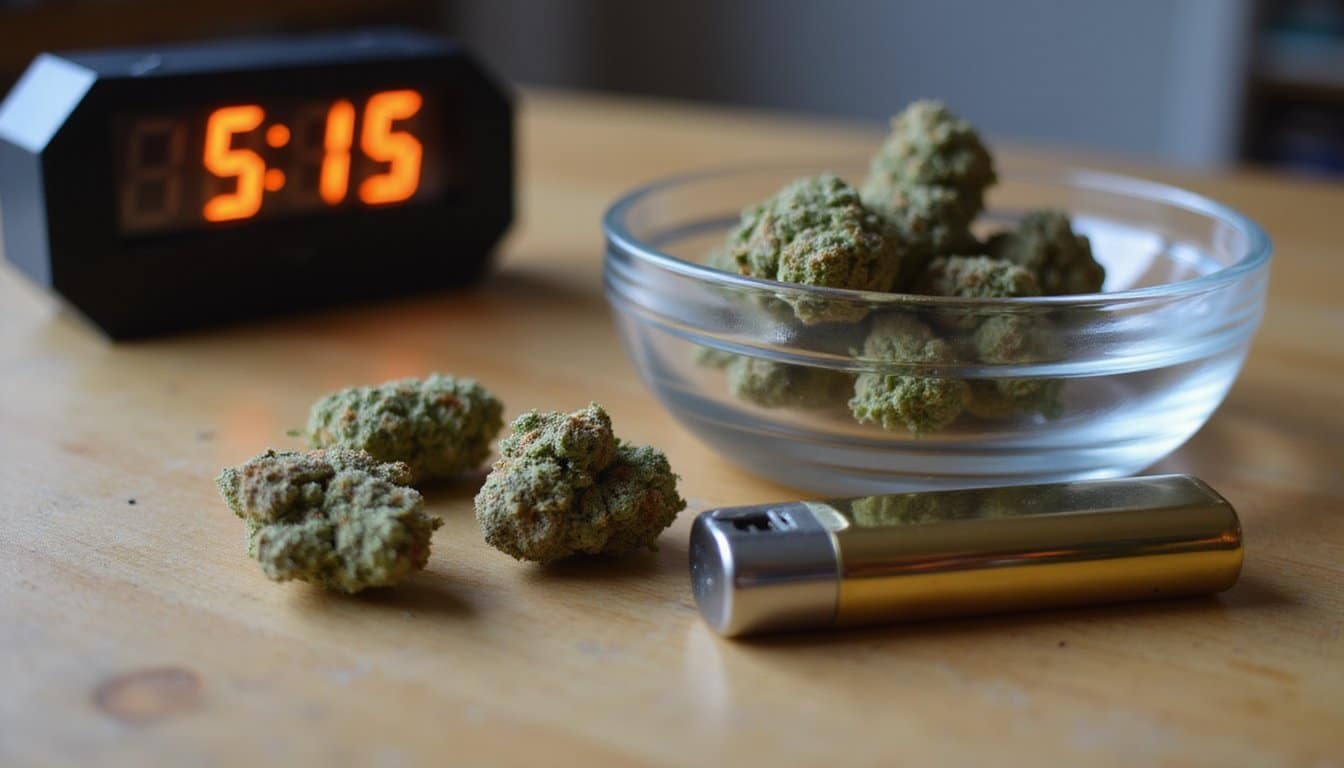
Extensive scientific evidence demonstrates that cannabis greatly impacts cognitive function, particularly in domains of working memory and executive processing. Research shows acute exposure leads to significant memory impairment, affecting your ability to plan, reason, and solve problems. Brain imaging reveals that 63% of heavy users display reduced activity in regions critical for attention and decision-making. Studies indicate that THC levels peak almost immediately after smoking cannabis.
The effects are dose-dependent, with heavier use correlating to greater cognitive deficits. Heavy cannabis users show an average IQ decline of 5.5 points by midlife. While you might experience temporary impairments in processing speed and motor coordination, working memory shows the most consistent disruption. Fortunately, studies indicate that abstaining from cannabis before performing tasks may help improve cognitive performance. If you’re using cannabis regularly, you’ll likely face residual effects lasting days or weeks after use. The impact is more severe if you began using as an adolescent, though adult-onset users typically show milder, shorter-lasting cognitive deficits.
Long-Term Effects on Mental Well-being
Long-term cannabis use consistently demonstrates vital impacts on mental health across multiple domains. You’ll find that regular use increases your risk of developing depressive disorders, with odds rising drastically if you’re a frequent user. For those with bipolar disorder, cannabis can worsen your condition’s course, particularly affecting manic episodes and symptoms.
The most concerning evidence links cannabis use to heightened schizophrenia risk, especially with high-potency products. If you’re using regularly, you may experience impaired emotional regulation and decision-making abilities. These effects are particularly pronounced if you began using during adolescence. When considering cannabis use, it’s essential to implement relapse prevention strategies and monitoring for withdrawal symptoms, as the long-term risks to mental stability often outweigh potential short-term benefits.
Cannabis Use Disorder and Psychological Dependencies

The development of Cannabis Use Disorder (CUD) represents a significant progression from recreational use to problematic dependency. You’re diagnosed with CUD when you meet two or more clinical criteria within a year, including failed attempts to quit, tolerance buildup, and withdrawal symptoms. Your risk increases substantially with dual use patterns, especially when combining cannabis with tobacco. With increased THC levels in modern cannabis strains reaching up to 28% THC content, addiction potential has risen dramatically.
If you’re experiencing psychological dependence, you’ll notice your daily activities revolving around cannabis use, withdrawal from social relationships, and continued use despite negative consequences. Mental health screening becomes essential as CUD frequently co-occurs with anxiety, depression, and other psychiatric conditions. Your risk of developing CUD rises from 9% as a casual user to 19% with daily use, particularly if you started young or use high-potency products. The emergence of withdrawal symptoms, including dysphoria and irritability, affects approximately half of individuals being treated for cannabis use disorder.
Population Statistics and Public Health Concerns
Recent population data reveals alarming trends in cannabis use and its associated public health impact. Research shows that 55 million Americans currently use marijuana. You’ll find growing concerns about regulation challenges as THC potency rises to 20% in common products, while data gaps persist in tracking actual consumption across various forms like concentrates and edibles. The average cannabis user consumes approximately 10-17 joints weekly. Studies show that this substance use disorder is now considered a form of addiction that requires medical intervention.
Consider these stark statistics:
- 30% of cannabis users develop cannabis use disorder
- 52% of users report childhood trauma, correlating with higher paranoia
- Cannabis-related mortality is 3 times higher than non-users, with 10x greater suicide risk
You’re witnessing a concerning disconnect between public perception and scientific evidence. While the cannabis market expands rapidly, projected to double within five years, adolescent risk perception continues declining, from 58% in 2000 to just 36% in 2024.
Weighing Benefits Against Mental Health Risks
When considering cannabis use for mental health symptoms, you’ll need to carefully weigh potential benefits against documented risks based on your individual profile and medical history. Your personal response to cannabis can vary markedly depending on factors like THC:CBD ratios, dosage, and pre-existing conditions, with CBD showing more consistent therapeutic benefits and fewer side effects than THC. Research shows cannabis use is associated with increased risk of developing long-lasting mental disorders like schizophrenia, particularly in younger users. If you’re exploring cannabis as a treatment option, you should prioritize evidence-based decisions in consultation with healthcare providers, especially if you have risk factors like a family history of psychosis or are in a vulnerable age group.
Risk Vs Reward Analysis
Weighing cannabis’s therapeutic potential against its mental health risks presents a complex challenge for both clinicians and patients. When conducting a balanced risk assessment, you’ll need to carefully evaluate your individual circumstances against documented outcomes.
Consider these critical factors:
- While cannabis-based medicines can reduce chronic pain by 30%, you face a 30% risk of developing cannabis use disorder
- Though CBD may cut seizures by 50% in specific cases, you’re nearly three times more likely to experience psychological side effects
- Despite potential benefits for nausea control and spasticity, you’ll have markedly higher odds of developing anxiety, depression, and psychosis
Substance dependence mitigation requires careful consideration of alternatives before choosing cannabis therapy, especially if you have pre-existing mental health vulnerabilities or a family history of psychiatric disorders.
Individual Response Varies Greatly
The remarkable variability in individual responses to cannabis underscores why broad generalizations about its mental health impacts often fall short. Your genetic makeup, particularly differences in endocannabinoid system genes, profoundly influences how you’ll react to THC. These biological factors interact with your social environment and mental health history to shape outcomes.
You’re more likely to experience adverse effects if you have bipolar disorder, psychosis, or anxiety conditions. Your age matters too, if you’re an adolescent or young adult, you face higher risks. Even your sex plays a role, with females often reporting more intense psychotic symptoms. Studies show that bipolar disorder is the strongest predictor of cannabis-associated psychotic symptoms. What’s more, your stress levels, peer influences, and early life experiences can amplify potential mental health risks. Product potency and frequency of use further complicate your individual response pattern. Research shows that recreational cannabis users in their teens have 2-4 times higher risk of developing psychiatric disorders.
Evidence-Based Treatment Decisions
Making sound treatment decisions involving cannabis requires carefully weighing substantial mental health risks against limited therapeutic benefits. Current evidence suggests you’ll face noticeably higher risks of psychiatric disorders, cognitive impairment, and psychological distress compared to potential therapeutic gains.
When considering cannabis-based treatments, follow these evidence-based protocols:
- Prioritize non-cannabis interventions first, especially if you have a personal or family history of psychosis
- Undergo thorough screening for cannabis use disorder, psychiatric conditions, and suicidal thoughts before starting treatment
- Maintain strict treatment adherence and follow discontinuation protocols if you experience adverse psychological effects
Evidence shows cannabis raises odds of depression, anxiety, and psychosis by 2-3 times, while therapeutic benefits remain modest at best. Your healthcare provider should closely monitor mental health outcomes throughout any cannabis-based therapy.
Special Considerations for Vulnerable Groups
When considering cannabis use, you’ll need to recognize that certain populations face heightened mental health risks, particularly adolescents and young adults whose developing brains are more vulnerable to adverse effects. You should be aware that individuals with pre-existing mental health conditions, such as schizophrenia or bipolar disorder, may experience worsened symptoms and treatment outcomes with cannabis use. If you’re working with vulnerable populations, it’s critical to understand that early intervention and screening can help prevent negative mental health consequences, especially in youth where cannabis use is associated with earlier onset of psychotic disorders and increased risk of substance use disorders.
Youth Mental Health Risks
As research consistently demonstrates, adolescents face heightened vulnerability to cannabis-related mental health risks, with users showing 2-4 times greater likelihood of developing psychiatric disorders. The developmental impacts on youth are particularly concerning, with evidence pointing to disrupted cerebral cortex formation and impaired cognitive function lasting into adulthood.
Critical risk mitigation strategies must address:
- Proximity to cannabis retailers correlates with increased rates of psychotic and anxiety disorders
- Youth with pre-existing conditions face 3.5-4.5 times higher risk of adverse mental health outcomes
- Early cannabis exposure can trigger lasting memory deficits and heightened addiction susceptibility
The adolescent brain’s ongoing maturation until age 25 makes it uniquely vulnerable to substance-induced cognitive impairment, with effects often going unrecognized by users during active consumption.
Pre-existing Conditions Matter
The impact of cannabis on mental health varies considerably based on pre-existing conditions and individual vulnerability factors. If you have a personal or family history of psychotic disorders, bipolar disorder, or anxiety conditions, you’re at markedly higher risk for adverse effects from cannabis use. Your genetic vulnerability plays an essential role in determining outcomes.
Contextual factors, including trauma history and social environment, further influence your risk level. If you have schizophrenia, cannabis use can trigger earlier onset and more severe symptoms. For bipolar disorder, you’re likely to experience increased mood instability and higher hospitalization rates. Those with anxiety disorders may find short-term relief, but long-term use often exacerbates symptoms. Additionally, if you have a history of substance use disorders, you face an elevated risk of developing cannabis use disorder.
Making Informed Decisions About Cannabis Use
Making informed decisions about cannabis use requires careful consideration of substantial scientific evidence showing more risks than benefits for mental health. Current treatment guidelines discourage cannabis use for most psychiatric conditions, given its potential medication interactions and increased risks of adverse effects.
Consider these key factors when evaluating cannabis use:
- Your risk of developing psychosis or schizophrenia increases considerably with regular use, especially if you start young
- Heavy cannabis use correlates with a 62% higher likelihood of developing depression
- If you have bipolar disorder, near-daily use can worsen your symptoms compared to non-use
While some cannabis-based medicines show benefits for specific conditions like epilepsy, the evidence doesn’t support cannabis use for general mental health improvement. Your safest approach is discussing treatment options with healthcare providers who can evaluate your individual circumstances.
Frequently Asked Questions
Can Cannabis Withdrawal Symptoms Affect Pre-Existing Mental Health Conditions?
Yes, cannabis withdrawal can markedly worsen your pre-existing mental health conditions. If you have mood disorders, anxiety, PTSD, or other psychiatric conditions, you’ll likely experience more intense withdrawal symptoms. During this period, you’re at 5x higher risk of violent behavior and may need increased psychiatric care. Effective cannabis dependency management and mental health counseling are essential, as withdrawal symptoms can trigger psychotic episodes and sleep disturbances that exacerbate your underlying mental health challenges.
How Does Combining Cannabis With Psychiatric Medications Impact Treatment Effectiveness?
When you combine cannabis with psychiatric medications, you’re risking serious medication interactions that can reduce treatment effectiveness. Cannabis can interfere with how your body processes medications through liver enzyme inhibition, leading to unpredictable dosage considerations. You’ll face increased risks of side effects, potential serotonin syndrome with antidepressants, and reduced medication adherence. The combination can worsen psychiatric symptoms and may require hospitalization in some cases, greatly compromising your treatment outcomes.
What Role Does Cannabis Strain and THC-to-CBD Ratio Play in Mental Health?
The THC-to-CBD ratio in cannabis strains drastically impacts your mental health outcomes. Modern cultivation practices and genetic modifications have created high-THC strains that can increase your risk of anxiety and psychosis. You’ll find that CBD-dominant strains may offer protective effects against THC’s negative impacts. Research shows you’re less likely to experience adverse mental health effects when using strains with balanced THC-to-CBD ratios rather than high-THC varieties.
Do Different Consumption Methods Change the Mental Health Risks of Cannabis?
Yes, different consumption methods drastically affect cannabis’s mental health risks. When you smoke or vape, you’ll experience immediate effects with higher potency levels, potentially increasing anxiety and psychosis risks. Edibles can be especially risky due to delayed onset and higher THC absorption, often leading to accidental overconsumption. Topicals are the safest for mental health since they don’t produce psychoactive effects. Each method requires careful consideration of its unique risk profile.
How Long Should Someone Wait Between Cannabis Use and Taking Psychiatric Medications?
You should consult your healthcare provider for personalized timing guidance, as there’s no universal waiting period between cannabis use and psychiatric medications. Delayed onset effects and individual metabolism variations make timing critical. Your provider will consider dosage timing considerations based on specific medications, their half-lives, and potential drug interactions. Until you receive professional advice, it’s safest to maintain maximum separation between cannabis use and medication intake.