







These three mental health conditions affect you in distinct ways: mood disorders create cyclical emotional shifts between depression and mania, with periods of normal functioning in between. Anxiety triggers intense physical reactions and persistent worry that can lead to avoidance behaviors. Psychotic disorders fundamentally alter your perception of reality through hallucinations and delusions, impacting your thoughts and social connections. Understanding these key differences helps you recognize and respond to each condition’s unique challenges.
Distinguishing Emotional and Behavioral Changes in Mood Disorders
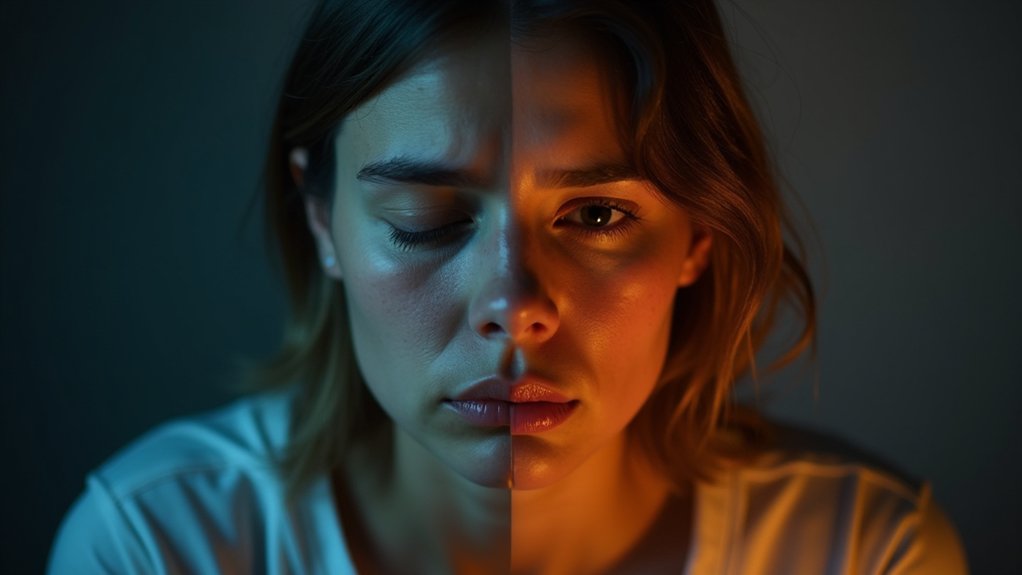
While mood disorders manifest through various symptoms, their hallmark characteristic lies in the distinct pattern of episodic emotional and behavioral changes. You’ll notice these disorders don’t create continuous disruptions but rather cycle between periods of intense symptoms and relative stability. During episodes, you might experience pervasive mood instability that affects both your emotional state and actions.
In depressive phases, you’ll likely withdraw from activities and feel persistent sadness, while manic episodes can drive you toward impulsive behaviors and heightened moods. These changes create differential social impairment, where your relationships and daily functioning fluctuate based on your current episode. You may experience noticeable changes in your sleep and appetite during these periods. The presence of disrupted neurotransmitters in the brain often contributes to these emotional fluctuations. Medication treatments are typically the first line of defense for managing these symptoms. Between episodes, you’ll typically return to your baseline functioning, maintaining normal relationships and activities, a key feature that distinguishes mood disorders from other mental health conditions.
Understanding Anxiety’s Impact on Feelings and Actions
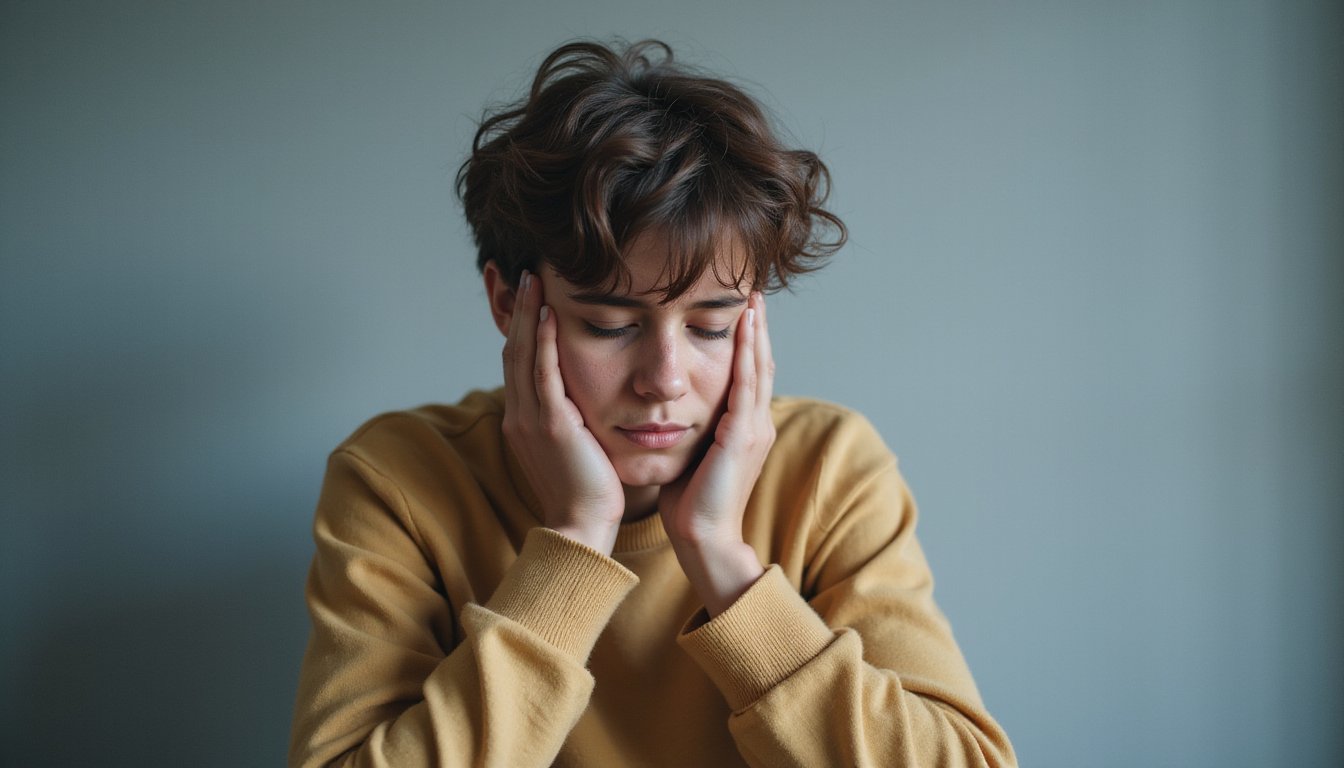
Three distinct patterns characterize anxiety’s impact on your emotional and behavioral functioning. The first pattern involves physiological manifestations, where your body responds with symptoms like sweating and heart palpitations. The second pattern shows through persistent worry and fear that’s often disproportionate to actual threats. The third pattern emerges in avoidance behaviors, as you withdraw from activities that trigger anxious feelings. Recent data shows that 20% of adolescents report experiencing anxiety symptoms within a two-week period. Women tend to experience higher rates of anxiety disorders, with twice the likelihood of developing conditions like generalized anxiety and panic disorder compared to men.
| Impact Area | Common Manifestations |
|---|---|
| Physical | Trembling, sweating, nausea |
| Emotional | Persistent fear, irritability |
| Behavioral | Avoidance, compulsive checking |
| Cognitive | Trouble concentrating, indecision |
| Functional | Work/school impairment, social withdrawal |
These patterns affect different demographic groups uniquely, with higher prevalence in females (23.4%) than males (14.3%), and younger adults experiencing more severe symptoms than older age groups.
The Unique Effects of Psychotic Disorders on Emotions and Behavior

Unlike anxiety disorders, psychotic disorders fundamentally alter how you perceive and interact with reality through hallucinations, delusions, and disorganized thinking. These conditions can drastically impact your daily functioning, causing sudden mood swings between depression and euphoria, along with intense fear and confusion when experiencing psychotic symptoms. You may experience a decline in self-care and have difficulty maintaining basic hygiene routines. Community support programs play a crucial role in helping affected individuals rebuild social connections and daily functioning skills. Doctors conduct extensive medical tests to rule out physical causes before making a mental health diagnosis.
You’ll notice significant changes in your personal relationships as social withdrawal becomes common. You might laugh or show distress without apparent cause, and maintaining motivation for routine activities becomes challenging. While anxiety can cause distress, psychotic disorders uniquely affect your perception of reality, making treatment more complex. Early intervention through coordinated specialty care, including medication and therapy, is vital for managing symptoms effectively and reducing your risk of relapse.
Frequently Asked Questions
Can Mental Health Conditions Occur Simultaneously in the Same Person?
Yes, you can experience multiple mental health conditions at once, which experts call comorbidity patterns. More than half of people diagnosed with one mental health condition will develop at least one additional disorder in their lifetime. When conditions co-occur, their symptom interactions can make each condition more complex to manage. You’ll often see overlapping patterns among mood, anxiety, and substance use disorders, which share common genetic and biological pathways.
What Role Does Genetics Play in Developing These Mental Health Conditions?
Your genetic predispositions play a significant role in mental health, with heritability rates ranging from 40-77% for various conditions. If you have family members with mental health disorders, you’re at higher risk of developing similar conditions. However, it’s not just your genes; epigenetic factors and environmental triggers interact with your genetic makeup. This means that while you may inherit vulnerability to certain conditions, your lifestyle and experiences also influence their development.
How Do Hormonal Changes Affect the Severity of Symptoms?
Hormonal fluctuations can substantially intensify your mental health symptoms, particularly during key life stages like puberty, pregnancy, and menopause. You’ll likely experience more severe symptom exacerbation during your menstrual cycle’s luteal phase, when estrogen and progesterone shifts affect mood regulation. If you have PMDD or existing mental health conditions, you’re especially vulnerable to these hormonal changes, which can exacerbate anxiety, depression, and behavioral issues during specific cycle phases.
Are There Cultural Differences in How These Conditions Manifest?
Yes, you’ll find significant cultural differences in how mental health conditions manifest. In many Asian cultures, you’re more likely to experience physical symptoms like headaches or fatigue rather than emotional ones. Societal stigma can lead you to hide symptoms or delay seeking help, especially in communities where mental illness is seen as shameful. Treatment accessibility varies widely too, with cultural barriers and mistrust of healthcare systems often preventing you from getting appropriate care.
What Is the Typical Age of Onset for Each Condition?
You’ll typically see anxiety and phobias emerge earliest, with childhood onset around 5-14 years. During adolescent onset (15-17 years), you’re likely to encounter social anxiety, substance use, and impulse control disorders. Most mood disorders and psychotic conditions don’t fully develop until your early 20s, though you might notice early symptoms in your teens. Schizophrenia generally appears between 15-35 years, while panic and non-phobic anxiety disorders often develop in your mid-20s to early 50s.