






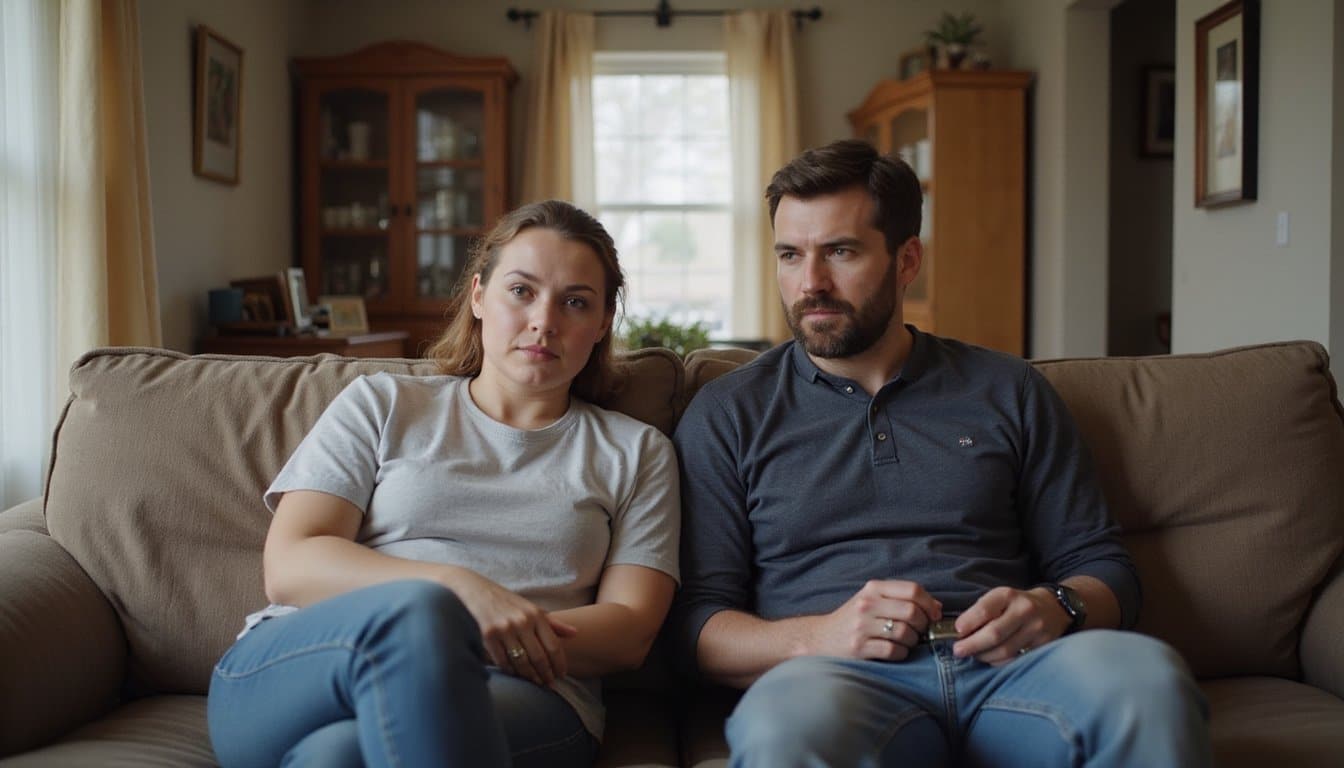

Family should not be included in an intervention when high expressed emotion dominates the household, research shows relapse rates reach 92% for schizophrenia patients in high-EE families versus below 15% in low-EE environments. Family involvement can also backfire when unresolved trauma exists, when members enable destructive patterns, or when conflict density exceeds healthy thresholds, raising legitimate concerns about whether children should participate in interventions in volatile contexts. Evidence-based alternatives like CRAFT can be twice as effective as traditional interventions under these circumstances, offering additional pathways to explore.
Red Flags That Predict Family Intervention Failure

When therapists fail to identify and engage key family members, the stage is set for intervention failure before treatment truly begins. Research shows this occurs in over two-thirds of cases, making it the highest fidelity failure category. Toxic family dynamics often persist when grandparents, biological fathers, or older siblings with functional influence are not assessed, regardless of household or legal status.
Enabling behavior often goes unaddressed when clinicians over-focus on dyadic communication rather than triadic patterns. This neglect of triangulation appears in 67% of cases. Key intervention contraindications include unbalanced joining, where therapists form coalitions with certain members while demanding premature change from others. When therapist passivity combines with individualistic formulations, these are systemic red flags that predict poor outcomes. Similarly, applying identical strategies across all family members without considering individual differences undermines treatment effectiveness. High staff turnover among treatment providers disrupts continuity and quality of care, further compromising family intervention outcomes. These failures underscore why comprehensive training and ongoing supervision remain essential for successful implementation of evidence-based family treatments in community settings.
When Problems Aren’t Severe Enough for Family Involvement
Although family interventions demonstrate strong efficacy for severe mental health conditions, not every clinical presentation warrants this level of systemic involvement. Introducing family dynamics prematurely can trigger conflict escalation when underlying issues remain unaddressed. When determining who should lead the intervention, it is essential to consider the specific dynamics at play. A family member who understands both the severity of the situation and the nuances of interpersonal relationships may be best suited for this role. Ensuring that this person has the support of a trained professional can significantly enhance the effectiveness of the intervention.
When navigating milder clinical presentations, individual therapy often provides adequate support without activating complex family systems. It is important to consider whether a client’s trauma history requires boundary protection before exposing vulnerabilities to family members who may not yet possess therapeutic communication skills. Family intervention works best when tailored to individual needs rather than applied as a blanket approach to all cases. Psychoeducation sessions typically require only 2-6 sessions to cover illness, course, causes, treatment, and prognosis, making them a more proportionate response for less severe presentations.
Clinicians should assess whether family involvement might overwhelm an individual still developing basic coping mechanisms. Professional-led individual work establishes foundational stability first. In cases involving domestic abuse, clinical intervention guidelines specifically address assessment and ongoing monitoring of perpetrators before introducing family-based approaches. Family interventions are best reserved for situations where severity genuinely demands systemic change rather than applying intensive approaches to circumstances requiring simpler solutions.
High-Conflict Households That Derail Intervention
High-conflict households present distinct challenges that can actively undermine therapeutic progress, regardless of how well-designed an intervention approach may be. Research shows conflict density reaches 0.54 in close family networks, with 46.7% of network members typically involved in disputes. These recovery risk factors create environments where therapeutic messages get lost amid ongoing hostility.
| Conflict Indicator | Measurement | Impact |
|---|---|---|
| Conflict Density | 0.54 in-network | Undermines trust |
| Member Involvement | 46.7% average | Fragments support |
| Conflict Reciprocity | 0.52-0.55 | Perpetuates cycles |
The professional interventionist role becomes critical when families repeatedly litigate over minor issues. Family exclusion from intervention may be necessary when conflict patterns show high reciprocity and low mutual trust, as these dynamics negatively affect psychological health across the household. Studies indicate that 33% of Australian children were exposed to levels of family conflict likely to increase future risk for depression. In high-conflict divorce situations, almost 46% of children may be at increased risk of developing posttraumatic stress disorder, making early identification and therapeutic intervention essential.
When a Family Member Will Sabotage Treatment
When a family member consistently expresses high levels of criticism, hostility, or emotional over-involvement, their presence can actively undermine treatment success. Research shows that high expressed emotion within families correlates with increased relapse rates and poorer recovery outcomes across multiple conditions. It is important to recognize when emotional intensity, however well-intentioned, creates an environment that sabotages rather than supports the treatment plan. For example, a mother who researches every medication and insists on modifying treatment plans based on personal reading may believe she is ensuring the best outcome, but constant scrutiny can leave treatment teams feeling micromanaged and a loved one feeling infantilized, ultimately stalling recovery progress. Family members who engage in enabling behaviors, protecting a loved one from the natural consequences of substance use, may genuinely believe they are helping while actually reinforcing the very patterns that treatment aims to address.
High Expressed Emotion Risks
Because certain family environments can actively undermine recovery, clinicians must recognize when excluding relatives protects rather than harms the patient. High expressed emotion, characterized by excessive criticism, hostility, or emotional overinvolvement, creates measurable danger. Research shows relapse rates reach 92% for schizophrenia patients in high EE families versus below 15% in low EE contexts.
Family exclusion from intervention often centers on these EE patterns. Contact exceeding 35 hours weekly doubles relapse risk in high EE households. Criticism alone predicts relapse with an effect size of r=0.39. Among high EE components, criticism is most prevalent at 65.30%, making it the primary warning sign clinicians should assess.
High EE prevalence now reaches 71.62% among community mental health service users. Without professional support, this figure climbs to 87.5%. These statistics confirm that family exclusion sometimes represents the most therapeutic choice available. Studies examining Hong Kong Chinese populations found relapse rates of 60.0% in high EE groups compared to just 10.0% in low EE groups, demonstrating this pattern holds across cultural contexts. Notably, research indicates that high EE correlates with fewer family members in the household, suggesting limited social support compounds the risk.
Undermining Treatment Plan Success
The presence of unresolved family trauma and control-driven behaviors can transform well-intentioned relatives into active obstacles to recovery. When family members micromanage treatment protocols, question clinical decisions, or obsessively research modifications, they create chaos that stalls progress. These patterns are often evident when patients feel infantilized and disengage from treatment under constant scrutiny.
Research reveals concerning parallels: 63% of psychiatric inpatients report medically self-sabotaging behaviors, often rooted in family-linked dynamics. Common self-sabotaging behaviors include damaging self, not seeking treatment, not taking medication, and gravitating towards dangerous situations.
Warning signs that family involvement undermines treatment:
- Generational trauma drives hypervigilant responses and professional distrust
- Control masks desperation rather than providing genuine support
- Untreated parental SUD disrupts routines, communication, and financial stability
- Role reversal patterns force premature adult responsibilities onto patients
Excluding counterproductive family members protects treatment integrity while acknowledging that their pain may require separate therapeutic attention.
Low Engagement Patterns That Doom Family Intervention

Although family involvement remains the gold standard for many interventions, certain engagement patterns predict failure before treatment even begins. Single-parent status reduces attendance by 8-19%, while socioeconomic disadvantage creates persistent barriers regardless of intervention strategy. Parent psychopathology contributes to dropout rates ranging from 20-80%, often resulting in families receiving less than half of prescribed treatment.
When chronic family tension is present, attendance often falls under three sessions and engagement trajectories become non-linear, undermining progress. Research demonstrates that higher chronic family tension correlates with lower initial engagement levels, though it does not necessarily affect rates of change over time. Ethnic minority families face compounded barriers, showing higher no-show rates despite equivalent benefits when participation occurs. Practical obstacles such as time demands and scheduling conflicts are frequently cited as major barriers preventing consistent family participation.
These patterns do not reflect family commitment, they often signal systemic obstacles. Recognizing these predictors early allows resources to be redirected toward professional-led alternatives rather than investing in family-based approaches likely to fail.
When Individual Treatment Beats Family Approaches
Individual therapy achieves 70-80% success rates for anxiety, depression, and trauma-related concerns, outcomes that family approaches often cannot match when treating internalizing disorders.
When trauma is being processed, minimal family involvement helps prevent re-traumatization during sessions. For adolescents with suicidal ideation, individual treatment shows superior improvements in reducing suicidal thoughts compared to family-based approaches.
When Individual Treatment Outperforms Family Approaches:
- Trauma processing requires isolated space to work through experiences without family dynamics exacerbating responses
- Anxiety management benefits from focused, distraction-free clinical attention
- Suicidal ideation in youth responds better to individual therapeutic work
- Personal growth needs demand self-exploration without family interference
This approach does not abandon systemic thinking, it matches treatment intensity to clinical presentation. Sometimes the most effective intervention protects a client from well-meaning but counterproductive family participation.
Toxic Dynamics That Backfire in Group Settings
When a family environment is characterized by high expressed emotion, constant criticism, hostility, or emotional over-involvement, including relatives in group interventions can actively worsen outcomes rather than support recovery. Research consistently shows that hostile family members amplify stress responses and trigger defensive patterns that undermine therapeutic progress. Group dynamics in these settings do not dilute toxicity; they can concentrate it, creating conditions where manipulation, gaslighting, and boundary violations compound rather than resolve. In cases where sibling intervention is being considered, it is essential to assess whether sibling dynamics will contribute positively or exacerbate tensions. Sibling relationships may carry histories of rivalry and unresolved conflict, creating a counterproductive atmosphere during the intervention. Carefully selecting which family members to include can significantly influence outcomes and promote a healthier environment for healing.
High Expressed Emotion Homes
High expressed emotion (EE) in family environments represents one of the most robust predictors of relapse across multiple psychiatric conditions, including schizophrenia, eating disorders, and mood disorders. When a patient returns to a high EE household post-discharge, relapse risk can nearly double.
Key mechanisms driving harm in high EE homes:
- Critical comments misidentify illness symptoms as laziness or selfishness
- Overprotectiveness undermines self-reliance and problem-solving development
- Emotional overinvolvement generates guilt that erodes therapeutic gains
- Chronic psychological stress overwhelms coping capacity through diathesis-stress pathways
Screening for warmth alongside EE levels is important, low warmth combined with high EE correlates with worse caregiver wellbeing and more frequent critical remarks. Warmth independently predicts lower admission rates, even in high EE environments, making it a critical intervention target.
Hostile Relatives Worsen Outcomes
Hostile family dynamics do not just complicate interventions, they can actively sabotage them through measurable pathways that predict worse outcomes. When mutual parent-child hostility is present, research shows youth experience the highest rates of externalizing problems, higher than when hostility flows in only one direction. This bidirectional conflict creates socialization patterns that amplify dysfunction rather than resolve it.
Hostile interactions can transmit across generations, with interparental hostility predicting parent-young adult relationship problems over 13-year periods. Psychological distress mediates this transmission, creating self-perpetuating cycles. Child hostility toward parents independently predicts family dysfunction, even after controlling for parental depression.
The clinical takeaway is to assess hostility direction and mutuality before including family members. Whole-family patterns often matter more than individual behaviors, and toxic dynamics in group settings can compound rather than heal.
Group Dynamics Undermine Recovery
Several toxic dynamics can emerge when group settings bring together individuals with conflicting needs, recovery stages, or interpersonal patterns. When working with heterogeneous populations, outcomes can become unclear and inconsistent, making it difficult to measure actual progress.
Common challenges that undermine recovery include:
- Resistance amplification – Low self-esteem triggers defensive responses when behavioral change is introduced, requiring skilled facilitation rather than confrontation
- Negative feedback loops – Real-time peer feedback can encourage unintended behavioral shifts that derail progress
- Comparison triggers – Peer learning opportunities can also create harmful comparisons
- Co-occurring disorder complications – Untreated depression and anxiety break down barriers unevenly across participants
Research shows only 12% of program completers utilized recovery support groups, suggesting these dynamics create significant barriers to engagement.
What Works Better Than Family Intervention
When traditional family interventions are not appropriate, evidence-based alternatives offer more effective pathways to treatment.
CRAFT (Community Reinforcement and Family Training) stands out as one of the most effective options. Research shows CRAFT helps over two-thirds of families successfully guide loved ones into treatment, twice the success rate of Johnson Intervention and three times more effective than Al-Anon facilitation. This approach emphasizes healthy reinforcement rather than confrontation, identifying better moments for change discussions, and creating environments that promote abstinence.
Network Therapy offers another approach, enlisting three to four trusted individuals alongside a counselor to support abstinence without relying on potentially harmful family dynamics.
Behavioral family counseling can also demonstrate better treatment retention than individual approaches alone. Choosing professional-led alternatives is not abandonment, it is prioritizing what is most likely to work.
Sometimes, love means knowing when to step back. At Reflection Family Interventions, our experienced team carefully assesses each unique situation to determine the best path forward, whether that means involving family or taking a different approach entirely. We don’t follow a one-size-fits-all model, we build a strategy around what will truly work for your loved one. You don’t have to figure this out alone. Call (888) 414-2894 today and let our experts handle the rest.
Frequently Asked Questions
Can Family Exclusion From Intervention Damage Long-Term Relationships Permanently?
Yes, family exclusion can permanently damage long-term relationships. When family members are separated from intervention processes, lasting wounds can form, disrupted attachment bonds, persistent feelings of abandonment, and eroded trust that lingers for years. Research shows divorce-related relationship difficulties persist 15 years later, affecting both parent-child dynamics and individual mental health. However, these risks must be weighed against situations where family involvement causes greater harm than protective exclusion.
How Do Therapists Legally Justify Excluding Parents From a Minor’s Treatment?
Therapists may legally justify excluding parents from a minor’s treatment through several established doctrines. The mature minor doctrine may apply when a child demonstrates sufficient cognitive ability to consent independently. Protections also apply when reporting suspected abuse or neglect, where parental involvement could cause further harm. State-specific exceptions for conditions like STIs or psychiatric disorders may permit treatment without parental consent, and situational emancipation can apply when delays risk a child’s wellbeing.
What Emotional Support Exists for Families Excluded From Their Loved One’s Intervention?
Meaningful support exists even when family members are excluded from a loved one’s intervention. Al-Anon and Nar-Anon offer peer understanding and coping strategies for family members. Individual or family therapy can help process grief, confusion, and rejection while establishing healthy boundaries. SAMHSA’s National Helpline (1-800-662-4357) provides free, confidential referrals to local resources. These supports can validate the experience and support healing, recognizing that exclusion does not eliminate the need for care.
How Should Excluded Family Members Cope With Feelings of Guilt or Rejection?
Excluded family members can practice self-compassion and recognize that exclusion is often a protective strategy rather than a judgment of worth. Negative thought patterns can be challenged by reframing guilt as evidence of care rather than failure. Support groups can provide connection with others who understand this type of grief. Working with a therapist can help process rejection and develop coping skills, while prioritizing personal wellbeing during a loved one’s professional support.
When Should Excluded Families Attempt to Re-Engage With the Treatment Process?
Re-engagement is most appropriate when the treatment team identifies readiness indicators, typically after initial barriers have been addressed and the individual in treatment shows stabilization. Research suggests successful re-involvement is more likely when family members have participated in their own therapeutic work, resolved enabling patterns, and can demonstrate changed behaviors. Brief motivational interviews and family support sessions show 67% completion rates when timed appropriately. Treatment providers typically guide timing based on clinical progress markers.