




When you crave emotional closeness but your family member shuts down, you’re caught in the classic anxious-avoidant trap. Your need for reassurance feels overwhelming to them, while their withdrawal triggers your fear of abandonment. This pursuer-distancer cycle creates painful miscommunication, you’re reaching for connection while they’re protecting themselves from engulfment. Both responses are rooted in early experiences and attempts to feel safe. Understanding what drives each pattern can help you break free from this frustrating dynamic.
How Anxious and Avoidant Attachment Show Up in Families

When caregivers consistently respond to a child’s emotional needs with rejection or emotional unavailability, children learn to suppress their natural desire for closeness. This creates the anxious avoidant trap in families, where cold parenting fosters premature independence while children maintain physical proximity despite emotional distance. These children often appear as little adults who rarely display their need for affection or closeness.
You’ll notice the pursuer distancer family dynamic emerging through generations. Research shows transgenerational trauma passes insecure attachment through family lines, your attachment style with your own parents predicts how you’ll parent. Mothers’ avoidance links to negative internal working models of their children, while anxiety triggers power-assertive control. A study of 200 community families collected data on mothers’, fathers’, and children’s attachment and parenting to understand these intergenerational patterns.
The emotional needs mismatch becomes clear: anxious attachment conflict style involves reassurance seeking vs withdrawal patterns. Meanwhile, avoidant attachment shutdown response dismisses intimacy needs entirely, creating the clingy vs distant relationship pattern that fuels family arguments. Attachment-based family therapy addresses these dynamics by uncovering relational processes that prevent adolescents from turning to parents for help and support.
The Pursuer-Distancer Cycle That Keeps Families Stuck
When anxious and avoidant attachment styles interact, they often trigger a predictable cycle: one person pursues closeness while the other withdraws, and each reaction intensifies the other’s response. You might recognize this pattern in your own family, the more one person reaches for reassurance, the more the other pulls back, leaving both feeling misunderstood and disconnected. Research confirms that pursuing behavior is significantly linked to preoccupied attachment style, while distancing behavior is linked to dismissing attachment style. This dynamic is wired into physiology, reflecting basic gender differences where men tend to withdraw and women tend to pursue in intimate relationships. Dr. John Gottman identified this pursuer-withdrawer pattern as a top predictor that a relationship will fail. Understanding how this cycle starts is the first step toward breaking free from it.
How the Cycle Starts
The pursuer-distancer cycle begins the moment one person reaches for connection while the other pulls back, and both reactions make perfect sense given each person’s attachment history.
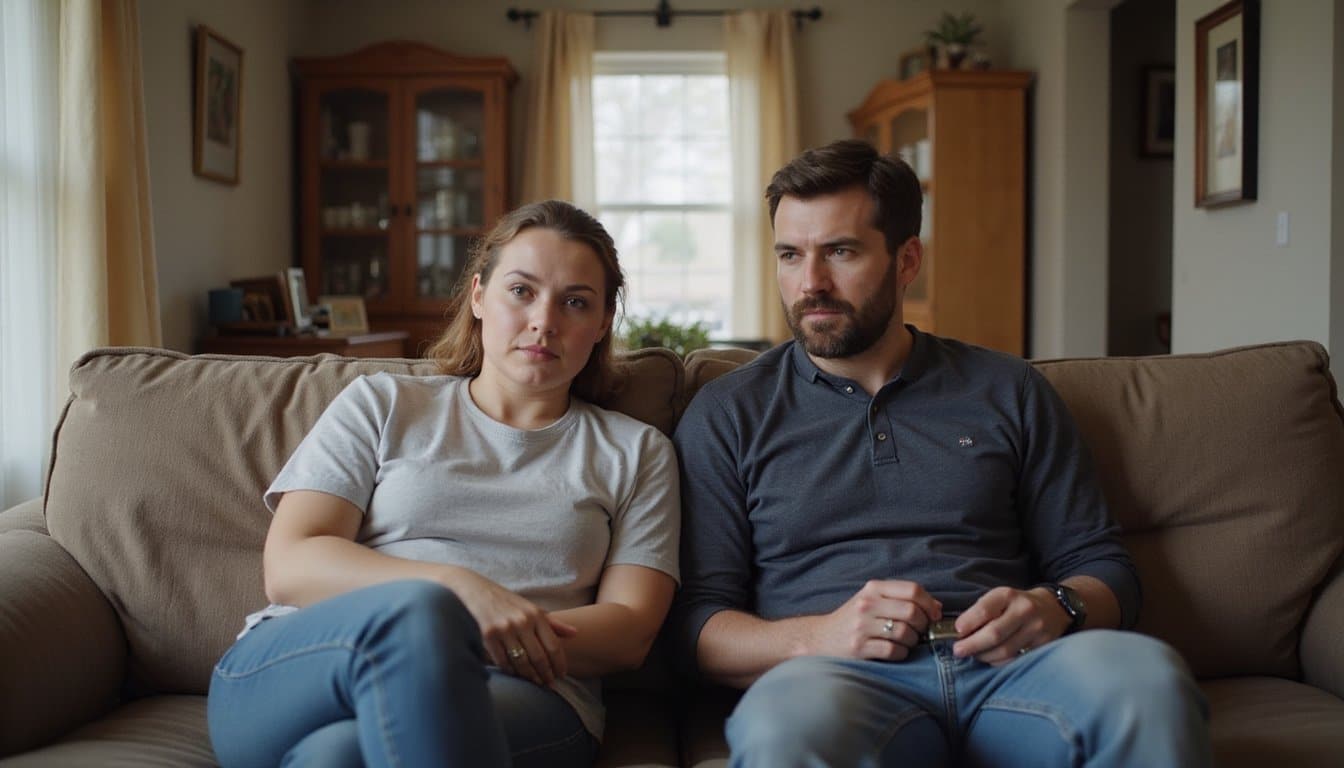
If you have an anxious-preoccupied style, you’ll likely move toward your partner when stress hits. You’re seeking reassurance, trying to confirm the relationship is secure. But if your partner has a dismissive-avoidant style, that same moment triggers their need for space. They withdraw to regulate overwhelming emotions.
Here’s where it escalates: your pursuit feels like pressure to them, and their retreat confirms your fears of rejection. You reach harder; they pull further. Criticism meets defensiveness. Neither of you is wrong, you’re both responding to deep-seated fears. Abandonment drives the pursuer. Engulfment drives the distancer. These instinctive reactions were shaped by early attachment experiences and family patterns long before you met your current partner. The original issue becomes irrelevant as the pattern takes over. Research shows this protest-withdraw pattern is one of the most common contributors to divorce when left unaddressed.
Breaking the Pattern
Breaking free from this cycle starts with recognizing what’s actually happening beneath the surface. When you understand that pursuit stems from fear of abandonment and withdrawal stems from fear of engulfment, you can approach your partner with curiosity rather than judgment. Attachment theory, developed by John Bowlby and Mary Ainsworth, explains how early experiences with caregivers shape these patterns throughout life.
If you’re the pursuer, practice slowing down before re-engaging. Breathe, journal, or pause before reaching out. This reduces the pressure that triggers your partner’s retreat. Understanding that your partner’s emotional avoidance often masks discomfort with both their own feelings and yours can help you respond with empathy rather than frustration.
If you’re the distancer, lean in sooner with brief check-ins or clear requests for space. Saying “I need twenty minutes, then I’ll come back” prevents your partner’s anxiety from spiraling.
Both partners can learn to see triggers as invitations for healing rather than threats. The goal isn’t eliminating your attachment style, it’s creating a secure base that honors both closeness and autonomy.
Why Your Family Feels Impossible to Talk To

Have you ever walked away from a family conversation feeling more disconnected than before you started? You’re not imagining it. Anxious and avoidant attachment styles create real communication barriers that make meaningful dialogue feel impossible.
If you lean anxious, you crave deep, emotionally rich conversations. You reach out frequently, seeking reassurance and connection. But family members with avoidant tendencies prefer surface-level exchanges and feel overwhelmed by your intensity. They pull back, which triggers your fear of rejection. This pattern often stems from unpredictable caregiving in childhood, which shaped how each person learned to relate to others.
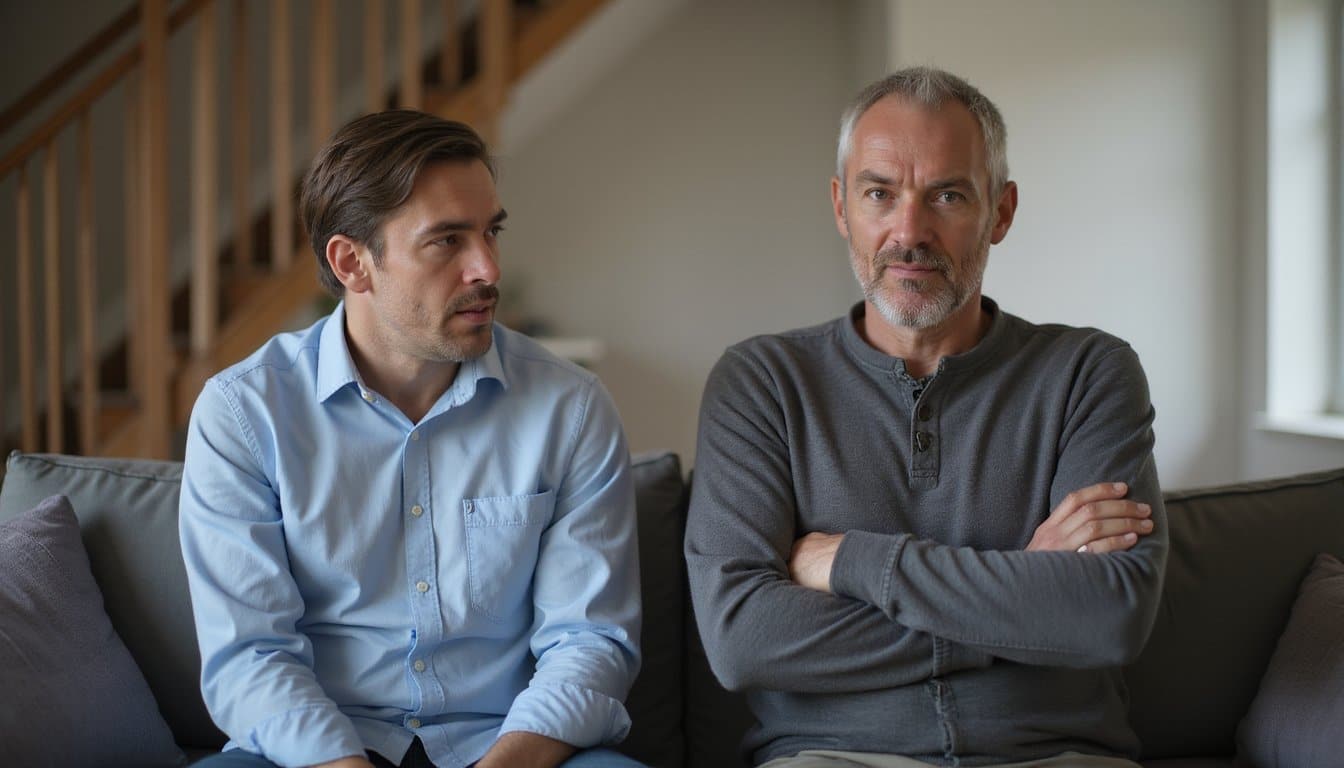
This mismatch fuels a painful cycle: you pursue, they stonewall or detach. Neither side feels heard. Avoidant family members resist vulnerability and open conflict resolution, while anxious members struggle to distinguish genuine disinterest from temporary withdrawal. Research suggests that approximately 25% of the population has an avoidant attachment style, meaning these dynamics are far more common than you might think. The result? Vague communication, unresolved tension, and the persistent sense that real connection remains just out of reach.
How Conflict Triggers Opposite Stress Responses
Why do family arguments spiral so quickly from minor disagreements into full-blown emotional crises? The answer lies in your nervous system. When you perceive emotional disconnection, your attachment system activates survival strategies, fight or flight responses that bypass rational thinking.
If you lean anxious, you interpret withdrawal as rejection. Your heart rate climbs above 100 beats per minute, and you escalate through demands or criticism, desperately seeking reassurance. If you lean avoidant, you experience that pursuit as a threat to your autonomy, triggering shutdown and further distancing.
This creates the pursuer-distancer cycle. Your anxious escalation prompts their defensive withdrawal. Their withdrawal intensifies your fear of abandonment. Neither of you can access empathy when your nervous system has “flipped the lid,” leaving rational conversation impossible. These coping strategies developed in formative years continue to shape how you respond to conflict throughout adulthood. Research shows that those with anxious-preoccupied or fearful-avoidant attachment styles are more likely to experience mental health challenges that further complicate these conflict patterns. Understanding that both partners are trying to feel safe but their protective strategies collide can be the first step toward breaking this destructive cycle.
The Emotional Toll Both Attachment Styles Pay

Both anxious and avoidant attachment styles carry significant emotional costs, even when they’re expressed differently on the surface. Whether you’re flooded with worry or shutting down to cope, your body registers stress, elevated cortisol, tension, and exhaustion accumulate over time. Negative emotions like fear, frustration, and loneliness dominate the relationship experience for both styles, eroding wellbeing and satisfaction. The core challenge lies in the contradiction between the desire to love and the fear of love, creating an internal battle that depletes emotional resources regardless of which attachment style you hold.
Hidden Physiological Stress Responses
When attachment patterns activate during conflict, the stress doesn’t stay in your head, it floods your entire body. Your heart rate accelerates, cortisol surges, and your autonomic nervous system shifts into high alert. For anxiously attached individuals, this physiological storm often begins before conflict even starts, during the anticipation phase.
Research shows that anxious attachment correlates with HPA axis dysfunction, meaning your body struggles to return to baseline even after the argument ends. Your amygdala becomes hyperactive, processing emotional cues as threats. Meanwhile, altered opioid receptor availability and dysregulated oxytocin function compromise your natural stress-buffering systems.
The result? Your body signals distress long after your mind wants to move on. Poor vagal response undermines your ability to self-soothe, trapping you in a cycle of physiological arousal that feels impossible to escape.
Negative Emotions Dominate Both
Though anxious and avoidant attachment styles appear to sit at opposite ends of the emotional spectrum, they share a common burden: negative emotions dominate their relational experiences. Whether you’re anxiously scanning for signs of rejection or avoidantly creating distance to protect yourself, you’re likely experiencing fewer positive emotions and more frequent negativity in your relationships.
If you have anxious attachment, your heightened sensitivity to rejection amplifies every perceived slight. If you lean avoidant, emotional distance creates its own form of relational negativity, a quiet disconnection that erodes warmth over time. Both styles correlate with high neuroticism, meaning you’re predisposed to experiencing heightened negative emotional states.
The result? Lower relationship satisfaction across the board. You might express it differently, but the emotional toll extracts the same price from both styles.
How to Bridge the Attachment Style Gap at Home
Understanding how anxious and avoidant attachment styles clash at home starts with recognizing that you and your partner aren’t speaking the same emotional language. When you seek closeness, your avoidant partner may interpret it as suffocation. When they withdraw, you may read it as rejection.
To bridge this gap, try these approaches:
- Make direct requests instead of hinting, clear communication reduces misinterpretation and anxiety for both partners.
- Establish time-outs with specific return times so withdrawal doesn’t feel like abandonment and space doesn’t feel like pressure.
- Create repair conversations after conflict that validate both needs, your need for reassurance and their need for independence.
Both attachment styles stem from unmet early needs. Approaching differences with compassion rather than blame transforms reactive cycles into opportunities for genuine connection.
Frequently Asked Questions
Can Two Avoidantly Attached Family Members Still Experience Conflict With Each Other?
Yes, two avoidantly attached family members can still experience conflict. You might notice it looks different, less dramatic but equally painful. You’ll both tend to withdraw when stress hits, creating emotional distance that builds quietly. Neither of you reaches toward connection, so issues go unaddressed. You may interpret each other’s silence as rejection or indifference. The conflict isn’t loud; it’s the growing gap between you that causes lasting strain.
Do Attachment Styles Change Depending on Which Family Member You’re Interacting With?
Yes, your attachment patterns can shift depending on which family member you’re with. You might feel secure with a sibling who’s consistently supportive but more anxious around a parent whose availability felt unpredictable. These variations reflect the unique relational history you’ve built with each person. Your nervous system responds to learned cues, so you’re not one fixed “type,” but rather someone whose attachment adapts to different relational contexts and safety levels.
Can Children Develop Different Attachment Styles With Each Parent Simultaneously?
Yes, children can absolutely develop different attachment styles with each parent at the same time. Your child’s attachment forms specifically within each relationship based on that parent’s responsiveness and interaction patterns. Research shows a child might feel securely attached to one parent while developing anxious or avoidant patterns with the other. The encouraging news? Security with even one parent provides a protective buffer, reducing behavioral difficulties and supporting healthier development overall.
Is It Possible to Have Anxious Attachment With Family but Avoidant With Friends?
Yes, you can absolutely show anxious attachment with family while being avoidant with friends. Your attachment style isn’t fixed, it shifts based on each relationship’s history and emotional stakes. Family bonds often trigger anxious patterns because they’re rooted in early caregiving experiences, while friendships feel lower-stakes, making avoidant tendencies easier to maintain. You might crave reassurance from parents yet pull back from friends who get too close. Both responses reflect your adaptive self-protection.
Do Attachment Styles in Families Get Passed Down Through Multiple Generations?
Yes, attachment styles often pass down through generations. Research shows a strong link between your parents’ childhood experiences and how they parent you, and eventually how you’ll parent your own children. If your parents faced neglect or trauma, they may have developed insecure attachment patterns that shape their caregiving. The good news? Secure attachment can interrupt this cycle. When you develop healthier relationship patterns, you can prevent passing down anxious or avoidant styles.