




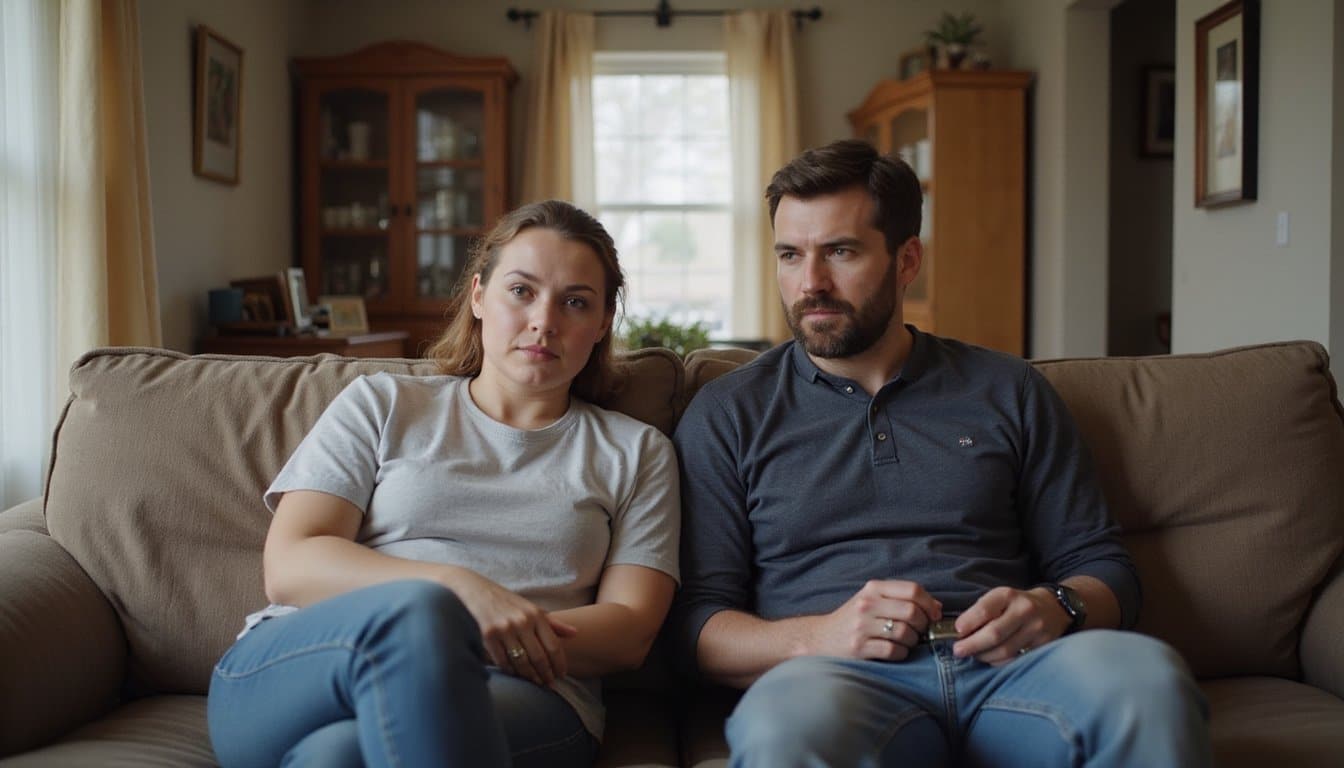
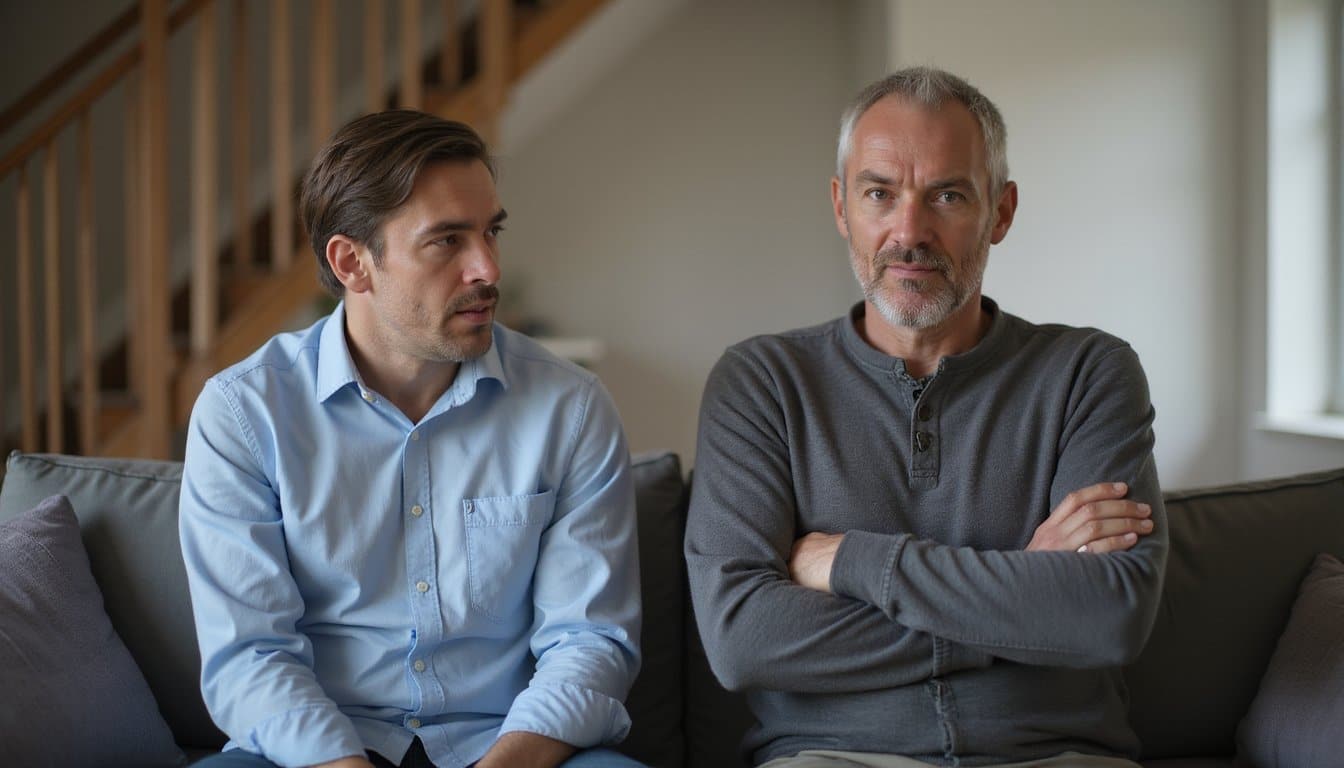
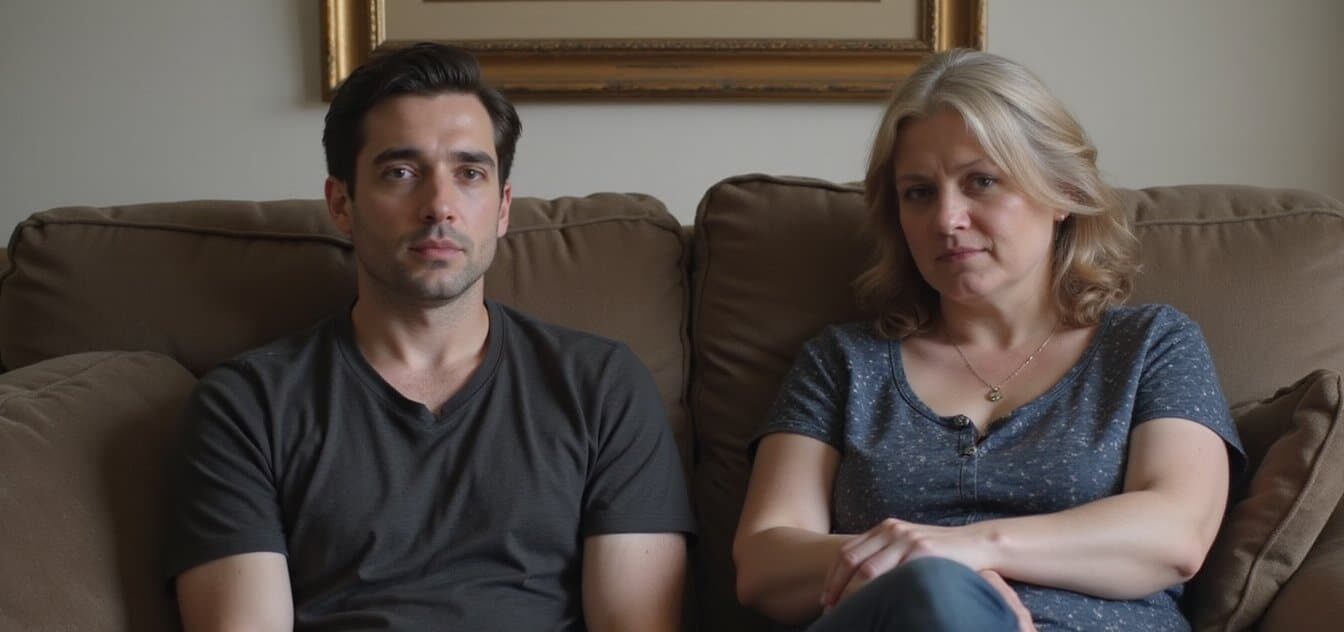
`Yes, a relationship can recover after an intervention, research shows approximately 70% of couples who pursue structured therapy report meaningful improvements, even when addiction has severely damaged trust. Initial tension is common as old patterns disrupt and the family system begins repairing itself. Early healing signs include pausing before reacting, genuine apologies, and disagreements that no longer escalate into conflict. Understanding what recovery actually looks like can help families recognize progress.
Why Interventions Put Relationships Under Intense Strain

When families gather to confront a loved one’s addiction, the emotional intensity can feel unbearable for everyone involved. Established patterns are disrupted, and the family system repair process creates immediate tension before it creates healing.
Research shows that younger couples and those facing economic hardship experience heightened vulnerability during interventions. Digital tools and structured programs can add daily demands, questions, exercises, check-ins, that potentially overwhelm already strained recovery relationships. However, these digital interventions eliminate geographical limitations and provide flexibility that traditional therapy cannot offer.
Communication recovery doesn’t happen instantly. Studies indicate initial satisfaction gains occur, but mechanisms like problem-solving and emotional intimacy take time to stabilize. Reduced negative communication patterns are common, yet the follow-up period often shows stability rather than continued improvement. Research following couples for two years of assessment found no overall enduring intervention effects on relationship quality. However, couple-focused prevention programs have demonstrated indirect effects on health improvements through enhanced relationship functioning over time.
High-risk pairs, particularly isolated couples without adequate support, feel this strain most acutely during early intervention phases.
How Many Couples Actually Recover After an Intervention?
Although the emotional toll of intervention feels overwhelming in the moment, research offers genuine hope for couples traversing addiction recovery together. Studies show approximately 70% of couples report positive outcomes from therapy, with 60% staying together long-term.
The path toward relationship repair after intervention depends substantially on the therapeutic approach a couple chooses. Emotionally Focused Therapy achieves success rates of 70-75%, while integrated Cognitive Behavioural Couples Therapy reaches 71% recovery. The Gottman Method demonstrates 70-75% sustained gains at 18-month follow-up. Completing the recommended 12 sessions enhances emotional connection and communication skills between partners.
Trust rebuilding takes time, but the numbers are encouraging. Nearly 90% of couples report improved emotional wellbeing after counselling. Family reconciliation becomes more achievable when both partners commit to the process, about 50% stay together immediately post-therapy, increasing to 70% within three months. However, many couples wait an average of 6 years before seeking help, which can worsen underlying issues and reduce the likelihood of successful recovery. Research shows the average person receiving couples therapy is better off than 70-80% of those not receiving treatment.
Early Signs a Relationship Is Healing After an Intervention

After an intervention, subtle but meaningful shifts may appear in how partners communicate, such as pausing before reacting, offering genuine apologies, or saying “I hear you” even when it is hard. These small changes signal that relational patterns are beginning to reorganize around safety rather than defensiveness. As communication improves, trust often starts rebuilding organically through consistent transparency and a growing sense that each person can be seen without judgment. Partners may also find that conversations no longer escalate the way they used to, with disagreements feeling less like war zones and more like opportunities for understanding. Over time, greater continuity and integration may develop across emotional responses, with people feeling more grounded even during difficult conversations. This healing process often involves validating and understanding emotions rather than rushing to fix problems, allowing both partners to feel truly heard.
Improved Communication Patterns Emerge
The earliest signs of relational healing often appear in how partners talk to each other, not just what is said, but the tone, pace, and emotional texture of exchanges. Conversations often slow down, with fewer rapid escalations and more space for breath before reactions.
Boundary redefinition becomes evident when phrases like “I’m triggered” are spoken without blame. Active listening replaces defensiveness, each person acknowledges the other’s perspective even during disagreement. This shift supports deeper emotional healing. As the window of tolerance expands, people can stay present during difficult conversations without becoming overwhelmed or shutting down.
Perhaps most profoundly, team-oriented disagreements emerge. Arguments no longer feel like war zones. Instead, disagreement can happen without fear of abandonment or stonewalling. Sincere apologies follow conflict, and tough conversations end with connection rather than distance. Partners begin to recognize when past hurts are influencing current interactions rather than reacting on autopilot. Working with a therapist can help partners rebuild self-esteem and develop healthy coping strategies during this process. Something different is being built together.
Trust Rebuilding Begins Naturally
Beyond communication patterns, something quieter begins to shift, trust often starts to rebuild without either partner forcing it. This happens gradually as transparency and accountability replace the secrecy that fueled addiction-related conflict.
Sincere apologies may emerge without defensiveness. Tough conversations may end with reconnection rather than withdrawal. A team feeling can be present even during disagreements, evidence that can relationships recover after an intervention isn’t just theoretical but observable in daily interactions.
Trust rebuilding shows up in small moments: a partner follows through on commitments, shares honestly about struggles, and takes responsibility without prompting. Relaxation may return to the relationship, with less bracing for disappointment. When old wounds surface, practicing grounding techniques like deep breathing can help partners stay present rather than reacting from past pain. As healing progresses, fewer intrusive memories may disrupt connection, allowing fuller engagement in the present moment together.
This natural progression occurs because both partners consistently demonstrate reliability over time, allowing safety to develop organically through repeated positive experiences.
How to Rebuild Trust Through Better Communication
How do couples move from broken trust to genuine connection after an intervention? The shift starts by transforming how communication happens. Active listening replaces defensive reactions, focus stays on understanding a partner’s perspective rather than preparing a rebuttal. Using “I” statements lets needs be expressed without triggering blame cycles.
Transparency plays a critical role in repair. Research shows 58% of couples who discussed betrayal in great detail rebuilt the most trust, compared to just 32% who shared very little. Full disclosure helps a partner identify missed warning signs and process what happened. The betraying spouse must show patience and empathy while answering questions, understanding how critical this vulnerability is for healing.
Honest communication must be practiced daily, expressing emotions, setting expectations, and discussing concerns without judgment. Both partners must listen with compassion. When couples commit to this process, 86% of couples successfully stay together. The results speak for themselves, 98% of couples report that therapy was helpful in addressing their relationship challenges.
How Family Therapy Helps Relationships Heal With Sobriety

When families enter therapy together during recovery, they create a foundation for healing that individual treatment simply can’t match. Research shows family therapy boosts long-term sobriety rates to 65%, compared to just 41% with individual therapy alone. Support is not only being offered to a loved one, the entire family system is being transformed.
Family therapy doesn’t just support recovery, it transforms the entire family system and nearly doubles long-term sobriety rates.
Family therapy delivers measurable results:
- Treatment retention increases considerably, jumping from 40% to 70% when families are actively involved
- Communication improves markedly, with 70-80% of families reporting better functioning after treatment
- Relapse detection happens earlier because families recognize warning signs and respond effectively
Evidence-based models like Behavioral Couples Therapy and Multidimensional Family Therapy address enabling patterns, establish healthy boundaries, and rebuild trust systematically. Skills are learned that create lasting change rather than temporary fixes.
When Couples Therapy Works Best After an Intervention
After an intervention reshapes a family’s trajectory, couples therapy becomes most effective once a partner has established initial stability in recovery, typically within the first 30 to 90 days of sobriety. Early intervention increases the chances of relationship recovery, and mutual commitment from both partners boosts success rates considerably.
Research shows 70% of couples report improvements after therapy, with Emotionally Focused Therapy achieving lasting positive outcomes for 75% of participants. The strongest results tend to occur when underlying issues, mental health concerns, financial stress, communication breakdowns, are addressed alongside addiction recovery.
Structured approaches like the Gottman Method yield strong results by focusing on conflict resolution skills that can be applied outside sessions. While 12 sessions represent the standard, dedicating 20 or more sessions correlates with higher success and improvements that persist one to two years post-treatment.
Why Rushing Reconciliation Can Backfire in Recovery
Many families feel pressure to restore harmony quickly after an intervention, but this urgency often undermines the very healing being sought. When reconciliation is rushed, false resolutions can be created that crumble once unaddressed issues resurface. Trust rebuilds only through consistent behavior over time, it’s a marathon, not a sprint.
Rushing reconciliation creates false peace. Real healing requires patience, trust rebuilds through consistent action, not quick fixes.
Premature reconnection can backfire in several ways:
- Suppressed hurt creates distance: Unresolved feelings don’t disappear; they form emotional chasms that widen over time
- Old patterns resurface: Without sufficient observation of changed behavior, destructive cycles restart quickly
- False safety develops: Temporary calm may be mistaken for genuine healing, leaving partners vulnerable to repeated harm
Patience is needed for setbacks and space to verify that behavioral changes reflect genuine transformation, not surface-level adjustments made under pressure.
How to Know When the Relationship Can’t Continue
While patience remains vital for authentic healing, there comes a point when waiting becomes enabling, and recognizing that threshold matters for everyone’s wellbeing. Research shows approximately 70-75% of couples report improvements after therapy, which means a significant portion don’t experience meaningful change despite genuine effort, underscoring the importance of anticipating emotional responses after an intervention and planning support strategies accordingly.
Consider whether continued engagement serves recovery or perpetuates harm. Watch for persistent patterns: ongoing substance use without accountability, repeated boundary violations, or emotional or physical safety concerns that remain unaddressed. Clarifying what happens after intervention is essential in these moments, because when one person refuses to engage authentically with the recovery process, continued presence may inadvertently support dysfunction rather than healing.
Consult with professionals who can assess specific dynamics objectively. Ending a relationship isn’t failure, sometimes it’s the healthiest choice for everyone involved, including the person in recovery.
Let Us Help Your Family Heal Together
Relationships can heal after an intervention with the right support. Reflection Family Interventions provides professional intervention services and family recovery coaching to help individuals and families find their way back to one another. Call (888) 414-2894 today and let us walk alongside you every step of the way.
Frequently Asked Questions
Should the Person Who Organized the Intervention Expect to Be Forgiven First?
The person who organized the intervention should not expect to be forgiven first simply because the intervention was organized. Forgiveness doesn’t follow a predictable timeline or hierarchy based on role. A loved one’s healing process is personal and may not align with another person’s expectations. Instead of anticipating preferential treatment, the focus should remain on maintaining consistent support, respecting boundaries, and demonstrating accountability over time. Relationships recover through sustained effort, not through earned positioning in a forgiveness queue.
Can Relationships Recover if the Intervention Didn’t Lead to Treatment Acceptance?
Yes, relationships can still recover even when someone doesn’t accept treatment right away. Research shows family therapy approaches increase abstinence rates by 60% over time, regardless of initial resistance. The focus can remain on what is within control, maintaining open communication, setting clear boundaries, and expressing emotions honestly. These actions reduce relational stress and support eventual recovery. The intervention plants seeds; growth often happens gradually through continued connection and accountability.
Do Children’s Relationships With Parents Heal Differently Than Spousal Relationships After Interventions?
Yes, children’s relationships with parents often heal differently than spousal relationships after interventions. Research shows short-term interventions yield stronger effects for children under 13, and family therapy considerably reduces adolescent behavioral issues. Spousal recovery tends to be more complex, studies indicate lower satisfaction rates with family treatment and sometimes poorer outcomes when living together. Parent-child bonds often respond more readily to structured support, while adult partnerships require different repair strategies.
Is It Normal to Grieve the Relationship That Existed Before the Intervention?
Yes, it’s completely normal to grieve the relationship that existed before the intervention. A sense of mourning the connection is common for what was present before addiction or crisis became visible, that sense of untainted closeness. This grief reflects emotional adjustment to a new reality, not a sign a wrong choice was made. Processing these feelings takes time and often benefits from sustained support. Acknowledging this loss is actually part of moving toward authentic healing together.
How Do Holidays and Family Gatherings Get Handled During the Recovery Period?
Planning ahead helps by identifying warning signs that trigger unproductive conflict patterns. Clear boundaries can be established and conversations about recurring issues can happen before gatherings, since 69% of relationship conflicts stem from perpetual problems that need managed discussions, not resolution. Deeper connections can be built by keeping emotions regulated and discussions on track. Therapy can help develop new dialogue skills, supporting family re-connection while avoiding emotional disengagement during these meaningful but potentially stressful events.
“`