








What Disorganized Attachment Looks Like in Children
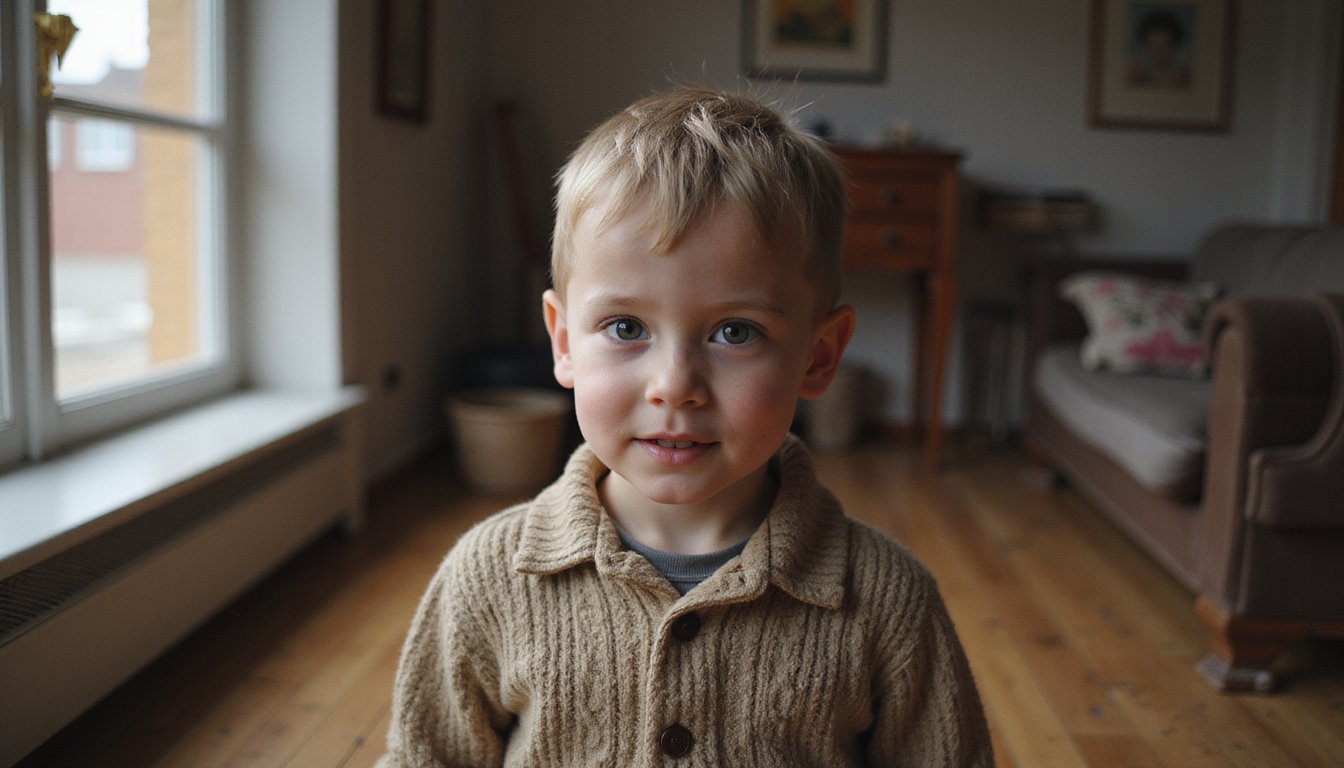
When caregivers become a source of both comfort and fear, children can’t develop organized strategies for managing distress. You’ll observe fearful behaviors, sudden shutdown in conflict, and a breakdown in adaptive responses. Research shows these children display the highest levels of internalizing and externalizing behavior problems by 36 and 54 months.
Disorganized attachment in families creates distinct patterns. Children exhibit aggressive or withdrawn responses, hostile attribution bias, and poor compliance. They demonstrate controlling behaviors toward parents, attempting to establish predictability lacking in chaotic home environments. Emotional dysregulation in families manifests through reduced cooperation, limited affection, and difficulty with consistency in interactions. During ages 2-4, distinct subtypes emerge including controlling-caregiving, controlling-punitive, controlling-mixed, and behaviorally disorganized patterns.
The effects of unstable caregiving include heightened anxiety, emotional neglect outcomes, and nervous system dysregulation that surpasses anxious and avoidant attachment patterns. Disorganized attachment places children at greater risk for negative peer relations than insecure attachment alone, affecting their ability to form positive friendships throughout childhood. This attachment style is considered the most difficult to treat among insecure attachment patterns, requiring specialized therapeutic approaches.
The Freeze-and-Reach Pattern: Why Kids Pull Away and Cling
Children with disorganized attachment don’t simply cling or withdraw, they do both, often within seconds of each other. You’ll observe your child reaching for a hug while turning their head away, or approaching you then suddenly freezing midway. These contradictory movement patterns reflect a nervous system caught between competing drives, seeking proximity for safety while perceiving the caregiver as a source of threat.
This freeze-and-reach pattern emerges when prolonged fight-or-flight activation depletes your child’s energy reserves, triggering shutdown responses. Their attention becomes locked in a loop, unable to determine whether to approach, avoid, or disconnect. Upon reunion, your child may appear dazed, back toward you with their head averted, or display paralysis when you enter the room. These responses indicate fear of the very person they’re seeking for comfort. These confusing behaviors can be triggered when a caregiver displays threatening looks or mood swings, leaving the child uncertain about how to respond safely. Research shows that the development of higher-order self-regulation becomes jeopardized when these patterns persist, affecting your child’s ability to manage their emotional states independently. While these patterns can be deeply concerning, enhanced caregiving has been shown to significantly improve symptoms, particularly in children with reactive attachment disorder.
When Caregivers Are Both Comfort and Threat

Because the attachment system drives children toward their caregiver during distress, a fundamental crisis emerges when that same caregiver becomes a source of fear. You experience fright without solution, the person biologically designed to provide safety simultaneously triggers your threat response. This paradox creates an impossible situation where approach and avoidance activate simultaneously.
Caregiver behaviors contributing to this dynamic include dissociated states, threatening actions, abuse, neglect, or unpredictable alternation between nurturing and frightening responses. Research indicates that unresolved trauma in caregivers considerably predicts disorganized attachment in their children. A specific FR coding system was developed to identify parental behaviors most likely to alarm infants. The child longs for closeness from the caregiver but simultaneously feels compelled to reject their proximity to avoid being hurt.
You cannot develop a coherent strategy for managing attachment needs when your primary attachment figure oscillates between comfort and threat. This inconsistency prevents adaptive responding and erodes foundational trust in relationships. Children who develop disorganized attachment often lack the opportunity to learn effective self-soothing or self-regulation skills that secure attachment typically provides.
How Chaotic Homes Wire Children for Fear
When your caregivers respond unpredictably, sometimes nurturing, sometimes frightening, your developing brain encodes relationships as sources of both comfort and threat. This early trauma exposure rewires neural pathways, keeping your nervous system in a heightened state where safety signals can’t be properly distinguished from danger cues. Research shows that household chaos in kindergarten is linked to lower child IQ and worse conduct problems in first grade. You may find yourself caught in a fundamental confusion where the very person you’re biologically driven to seek for protection is also the source of your fear. Studies following children from birth to age 15 reveal that youth raised in unstable homes reported higher levels of depression and anxiety along with increased likelihood of impulsive, delinquent behaviors as teenagers.
Unpredictable Caregivers Create Fear
A child’s attachment system activates during moments of distress, driving them toward their primary caregiver for safety and comfort. When you experience caregivers who alternate between nurturing and neglectful responses, you cannot form predictable expectations about adult reactions. This inconsistency prevents secure bond formation.
When your caregiver becomes a source of fear through erratic behaviors, anger, or withdrawal during your distress, you face what researchers Main and Solomon termed “fright without solution.” You’re drawn toward your caregiver for comfort yet simultaneously repelled by fear. No organized strategy exists for resolving this conflict. This pattern occurs more frequently in households marked by domestic violence, abuse, or mental health issues, where caregiving becomes fundamentally disordered.
This paradox creates observable behaviors: emotional withdrawal, avoidance of touch, and unpredictable shifts between clinginess and distance. The lasting impact includes chronic mistrust and difficulty trusting others, as your primary safety figure breached that foundational trust early in development. Adults who developed disorganized attachment often exhibit poor emotional regulation, experiencing extreme reactions that further destabilize their relationships.
Trauma Rewires Brain Development
The unpredictability that defines disorganized attachment doesn’t just shape behavior, it physically alters brain architecture during critical developmental windows. When you experience chronic familial trauma, your HPA axis becomes dysregulated, elevating cortisol levels that impact sequential brain development through use-dependent synaptic pruning.
Your brain adapts to danger by prioritizing survival mechanisms:
- Amygdala hyperactivity heightens fear responses during emotional and social tasks, sensitizing you to perceived threats
- Prefrontal cortex hypoactivity impairs decision-making, impulse control, and concentration
- Hippocampus disruption alters memory storage and retrieval, making past trauma replay as current threats
Research shows familial trauma causes more executive functioning impairment than non-familial trauma. Under age five, repeated fight-flight-freeze activation diminishes language and learning centers, and over 30% of trauma-exposed children develop chronic neuropsychiatric conditions. This is particularly significant because the brain reaches 90% of adult size by age three, while the body is only 18% of adult size, making early childhood experiences disproportionately impactful on neural development.
Safety Becomes Source Confusion
Because infants depend entirely on caregivers for survival, they subconsciously orient toward these figures as their primary source of safety, a biological imperative hardwired into human development. When your caregiver simultaneously represents protection and threat, you’re trapped in an irreconcilable bind. The person you need for survival becomes the source of your fear.
This paradox prevents you from developing reliable internal safety frameworks. You can’t distinguish which signals indicate danger versus security from your primary attachment figure. Highly contrasting caregiver behavior, warmth followed by hostility, presence followed by abandonment, creates profound confusion about environmental cues. Your internal working models fail to establish a consistent degree of confidence in future support from this significant other.
Consequently, your attachment system fails to deactivate because felt security never establishes itself. You remain in persistent hypervigilance, monitoring for threats that may emerge unpredictably from the very relationship designed to protect you.
Signs Disorganized Attachment Followed You Into Adulthood
When disorganized attachment develops in childhood, it rarely stays confined to those early years, instead, it typically follows you into adulthood and shapes how you navigate relationships, regulate emotions, and perceive yourself. Research identifies distinct patterns that indicate unresolved attachment disruption:
Disorganized attachment doesn’t end with childhood, it rewires how you connect, feel, and see yourself for years to come.
- Relational ambivalence: You simultaneously fear intimacy and rejection, creating push-pull dynamics where you seek support then respond negatively when it’s offered.
- Affective dysregulation: You experience extreme mood fluctuations, unpredictable emotional outbursts, and dissociative shutdown, often cycling between heightened states and numbness.
- Identity disturbance: You maintain a persistent negative self-view, requiring constant external reassurance while struggling to internalize positive feedback.
These presentations frequently co-occur with trust deficits toward authority figures, impaired mentalization capacity, and behavioral avoidance strategies including substance use or work-focused emotional deflection.
How Disorganized Attachment Shapes Your Relationships

Disorganized attachment creates a distinctive relational signature marked by contradictory behavioral patterns that often confuse both you and your partners. You may simultaneously crave closeness while pushing others away, sending mixed messages like “I need you, but stay back.” This oscillation between clinginess and distancing stems from encoded fear responses developed during early caregiving experiences.
Your nervous system remains primed for threat, triggering fight, flight, or freeze responses during intimate moments. Emotional dysregulation manifests as unexpected anger or crying following calm periods. You likely hold negative expectations of both yourself and others, anticipating rejection and disappointment.
Control-seeking behaviors often emerge as compensation for internal chaos. You may unconsciously select partners who reinforce familiar rejection patterns, perpetuating cycles that feel safer than unfamiliar stability despite causing relational dysfunction.
Breaking the Disorganized Attachment Cycle in Your Family
Breaking the cycle of disorganized attachment in your family requires intentional effort across three key areas. You’ll need to recognize your own attachment patterns, establish consistent caregiving routines that promote predictability, and seek professional trauma support when needed. These evidence-based strategies can help you develop earned security and create a more stable emotional environment for your children.
Recognize Your Attachment Patterns
Although disorganized attachment often operates below conscious awareness, recognizing your own attachment patterns is the first step toward breaking the intergenerational cycle in your family. Research demonstrates that mothers’ adverse childhood experiences predict insecure attachment patterns, which mediate negative parenting behaviors. Understanding your relational tendencies allows you to identify when past trauma influences current interactions.
Key indicators of disorganized attachment patterns include:
- Competing attachment strategies, simultaneously seeking closeness while withdrawing from connection
- Heightened reactivity during conflict, including sudden emotional shifts or shutdown responses
- Difficulty accepting reassurance or trusting consistent caregiving from others
Studies show that both helpless-disorganized and frightened-disorganized subtypes fully mediate the link between ACEs and negative parenting. By identifying these patterns, you can pursue targeted attachment interventions that disrupt transmission to your children.
Create Consistent Caregiving Routines
When you establish consistent caregiving routines, you create the predictable environment that directly counteracts the chaos often underlying disorganized attachment. Research demonstrates that structured daily schedules reduce disorganization rates in high-risk families by fostering secure base formation and improving emotion regulation.
| Routine Type | Clinical Benefit |
|---|---|
| Feeding/Sleep | Enhances maternal sensitivity; builds self-regulation |
| Play Rituals | Promotes coherent strategies; improves affective attunement |
| Transition Procedures | Stabilizes reunion behaviors; prevents controlling-punitive patterns |
Responsive feeding and sleep routines implemented after six months yield ideal disorganization reduction according to meta-analyses. Clear boundary routines with consistent follow-through prevent the development of controlling-punitive patterns characteristic of disorganized attachment. Family mealtime rituals boost cohesion and sustain secure attachment gains post-intervention. These predictable structures help your child’s nervous system shift from threat states toward organized attachment strategies.
Seek Professional Trauma Support
Because disorganized attachment often stems from trauma that occurred within caregiving relationships, professional support becomes essential for breaking intergenerational cycles. Research demonstrates that parental unresolved loss and trauma directly correlate with infant disorganized attachment classification, making this a second-generation effect requiring targeted intervention.
Evidence-based therapeutic approaches include:
- Trauma-focused therapy, Helps you understand how traumatic experiences impact current functioning while identifying triggers and developing healthy coping mechanisms
- EMDR (Eye Movement Desensitization and Reprocessing), Effectively resolves early trauma that underlies attachment disruption
- Toddler-parent psychotherapy, Addresses attachment patterns within the caregiving relationship directly
The therapeutic relationship itself models healthy connection, providing a safe space to build trust and process emotions. You’ll learn to recognize how your own attachment history influences your caregiving responses.
Therapies That Help Heal Disorganized Attachment
Healing disorganized attachment requires therapeutic approaches that address both relational patterns and the nervous system’s threat responses. Attachment-based therapy provides corrective emotional experiences through consistent support, helping you reshape foundational relational templates formed in childhood. Emotionally Focused Therapy transforms negative interactional cycles by identifying attachment-related fears and enabling vulnerable expression in safe environments.
Trauma-informed approaches prove particularly effective for disorganized attachment. EMDR uses bilateral stimulation to process distressing memories, while somatic therapy addresses trauma stored in the body, helping you develop self-regulation skills. CBT challenges distorted cognitions like “I am unlovable,” reducing anxiety rooted in insecure attachment.
Research supports early intervention efficacy. The ABC intervention demonstrated 32% disorganized attachment rates compared to 57% in control groups, with secure attachment rates reaching 52% versus 33%.
Daily Practices That Rebuild Felt Safety
Although therapeutic interventions provide essential frameworks for healing disorganized attachment, daily practices form the foundation for rebuilding felt safety between sessions. You can implement structured routines that regulate your nervous system and create predictable emotional environments.
Core Daily Practices:
- Nervous system checks – Track your arousal levels throughout the day using somatic grounding techniques, including deep breathing and sensory awareness exercises.
- Co-regulation routines – Provide consistent soothing responses during distress, offering a secure base that activates safety systems over danger responses.
- Reflective functioning exercises – Practice acknowledging mental states in yourself and family members, elaborating on thoughts and feelings to build relational understanding.
These practices lower hyperarousal, reduce dissociation tendencies, and shift interaction patterns from unpredictability toward security. Consistency remains critical, repetition creates the neural pathways necessary for felt safety restoration.
Frequently Asked Questions
Can Disorganized Attachment Be Passed Down Through Multiple Generations of a Family?
Yes, disorganized attachment can transmit across generations. Research shows a significant effect size (r = .21) for unresolved/disorganized patterns passing from parent to child. If you’ve experienced early trauma, you’re more likely to develop helpless-disorganized or frightened-disorganized attachment styles that mediate negative parenting behaviors. This transmission occurs through your internal representations, dissociative responses, and frightening behaviors toward your children, perpetuating the cycle unless you receive trauma-informed intervention.
How Does Disorganized Attachment Differ From Other Attachment Styles During Conflict?
You don’t follow a consistent strategy during conflict like other attachment styles do. While anxious attachment drives pursuit and avoidant attachment triggers withdrawal, you experience both simultaneously, craving closeness while fearing it. This creates contradictory behaviors: you might seek reassurance then reject it, or freeze unexpectedly when stress activates trauma responses. Your nervous system perceives attachment figures as both comforting and threatening, producing the erratic, unpredictable reactions that distinguish disorganized attachment from other insecure patterns.
Can Siblings Raised in the Same Home Develop Different Attachment Styles?
Yes, siblings raised in the same home can develop different attachment styles. Research shows concordance rates of only 62-68% for attachment classifications among siblings, meaning substantial variation exists. Factors like birth order, gender differences, birth spacing, and differential parental sensitivity toward each child contribute to these differences. Individual post-childhood experiences, including unshared losses or trauma, further shape divergent attachment patterns even when you’ve shared the same family environment.
Is Disorganized Attachment Ever Misdiagnosed as ADHD or Other Behavioral Disorders?
Yes, disorganized attachment is frequently misdiagnosed as ADHD or other behavioral disorders. You’ll find significant symptom overlap, emotional dysregulation, inattention, and impulsivity appear in both conditions. Research shows children with four or more adverse childhood experiences are three times more likely to receive ADHD medication. Brief clinical interactions often limit trauma inquiry, leading to misattribution of attachment-related behaviors. Accurate differential diagnosis requires examining relational history alongside behavioral symptoms.
How Long Does It Typically Take to Shift From Disorganized to Secure Attachment?
You can expect meaningful shifts toward earned secure attachment to take anywhere from several months to a few years, depending on intervention consistency and relationship quality. Research on the ABC intervention shows measurable improvements in attachment security within weeks when you engage in structured, predictable interactions. However, fully reorganizing internal working models requires sustained effort, you’ll need ongoing therapeutic support, consistent caregiving responses, and repeated experiences of safe connection to solidify lasting change.