







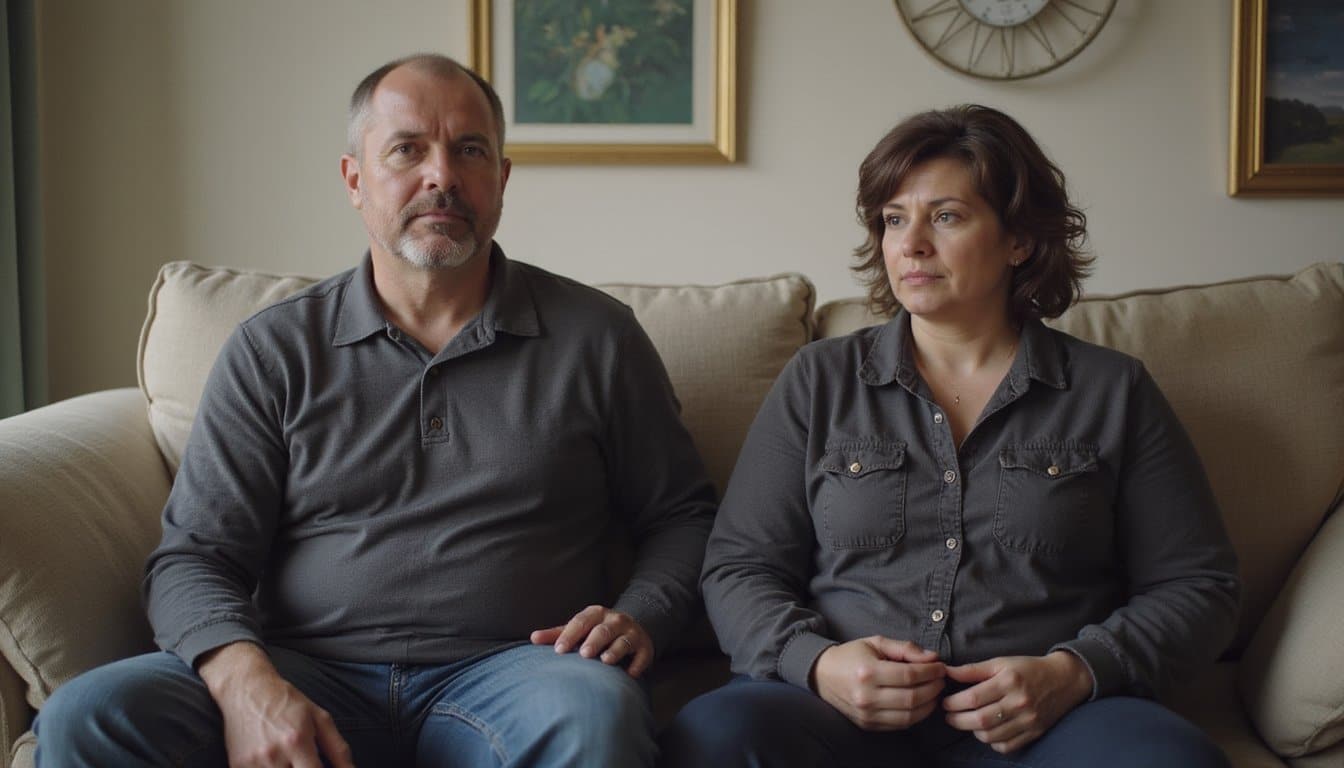
To stage a family intervention for Adderall addiction, you’ll want to assemble a supportive team, consult an addiction professional, and research treatment options before the meeting. Document specific examples of misuse, write “I” statements that express concern without blame, and establish clear boundaries. During the intervention, stay compassionate while guiding your loved one toward immediate treatment. Recovery succeeds when families remain involved through therapy and relapse prevention. The steps below will show you exactly how to help.
Understanding Adderall Addiction and Recognizing the Signs of Dependence

When someone you love starts misusing Adderall, understanding what’s happening in their brain can help you approach the situation with compassion rather than frustration. Adderall floods the brain’s reward system with dopamine, creating euphoria and reinforcing repeated use. Over time, the brain adapts, requiring higher doses to achieve the same effect. This altered brain neurocircuitry can lead to mental disorders like depression, making early intervention even more critical. Recognizing the signs of misuse is essential for initiating a constructive dialogue about their drug use. A timely Drug Addiction Intervention can provide support and resources, helping your loved one understand the consequences of their behavior and the path towards recovery.
You’ll want to review their prescription history for early warning signs like running out of medication early or seeking multiple prescriptions. Biological factors, including family history of substance use disorders, can increase vulnerability to dependence.
Watch for behavioral changes: compulsive drug-seeking, mood swings, significant weight loss, sleep disruption, and continued use despite harm to relationships or work. Prolonged Adderall abuse can also cause cardiovascular problems and other serious medical complications. Recognizing these signs early positions you to intervene effectively. It’s crucial to approach the situation with compassion and understanding, as individuals struggling with addiction often feel isolated and misunderstood. Involving family members in the recovery process can be an effective approach; implementing family intervention strategies for benzodiazepine addiction may help in addressing the underlying issues and encouraging the individual to seek professional help.
Assembling Your Intervention Team and Consulting an Addiction Professional
Assembling the right intervention team can make the difference between your loved one accepting help or retreating further into denial. You’ll want to include close family members and trusted friends who can remain calm and follow the plan. Exclude anyone with unmanaged substance use or volatile behavior that could escalate conflict.
Professional collaboration strengthens your approach substantially. An interventionist can guide team selection, script impact statements, and manage the meeting flow to prevent confrontations. They also help family members understand addiction as a disease, which shifts the focus from blame to compassionate support. The Association of Intervention Specialists verifies that professional interventionists are fundamental to achieving successful outcomes.
| Team Member Roles | Responsibilities |
|---|---|
| Team Leader | Coordinates logistics and professional contact |
| Family Members | Deliver impact statements and set boundaries |
| Non-Family Supports | Provide balanced perspective |
| Interventionist | Manages meeting flow and redirects toward treatment |
| Addiction Counselor | Evaluates co-occurring conditions and treatment needs |
Consult addiction specialists early to assess appropriate care levels.
Researching Treatment Options and Arranging Care Before the Meeting

Before your intervention takes place, you’ll need concrete treatment options ready so your loved one can enter care immediately if they agree to get help. Research facilities offering a full continuum of care, from medical detox through outpatient services and aftercare, since seamless movements between levels reduce dropout risk.
Evaluate treatment effectiveness by checking accreditation, reviewing evidence-based approaches like cognitive behavioral therapy and contingency management, and confirming access to psychiatric services for co-occurring conditions. Since no FDA-approved medication exists specifically for stimulant addiction, prioritize programs emphasizing behavioral therapies. Rehabilitation programs achieve 30-60% positive outcomes among participants, making the selection of a quality treatment center a critical factor in your loved one’s recovery journey.
Contact admissions teams beforehand to verify insurance coverage, bed availability, and intake requirements. Having everything pre-arranged, transportation, packed bags, financial details, removes barriers that could delay entry. When your loved one says yes, you’ll be ready to act within hours, not days. Acting quickly is essential because Adderall is classified as a Schedule II controlled substance due to its strong addictive potential, meaning prolonged delays could deepen dependence.
Gathering Specific Examples of Adderall Misuse and Its Impact
With treatment arrangements secured, your next step involves documenting specific instances where Adderall misuse has affected your loved one’s life and relationships. Focus on observable behaviors and concrete events rather than assumptions or accusations.
Record misuse patterns you’ve witnessed, such as taking medication more frequently than prescribed, crushing pills, or obtaining Adderall from friends. Note behavioral changes like increased agitation, panic attacks, or combining the stimulant with alcohol, a pattern affecting 19 percent of college students who misuse prescription stimulants. Be aware that two-thirds of non-medical Adderall is obtained from family members or friends with legitimate prescriptions, making it important to identify these sources. Research shows that crushing and snorting accounts for 75 percent of prescription stimulant abuse methods, making this a critical behavior to watch for.
Document health consequences you’ve observed, including elevated heart rate, tremors, or emergency room visits. Write down how relationships, academic performance, or work responsibilities have deteriorated.
Keep your examples factual and dated. These specific incidents will help your loved one recognize the progression of their addiction without feeling attacked during the intervention.
Writing Personal Statements That Express Concern Without Blame

Your written statement serves as the emotional foundation of the intervention, and crafting it with care can mean the difference between your loved one hearing your message or shutting down in defensiveness.
Focus on expressing empathy by framing your words around love and genuine worry rather than anger or frustration. Using “I” statements like “I feel scared when I notice you haven’t slept in days because I’m afraid for your health” communicates impact without attacking their character. This approach helps reduce defensiveness and keeps your loved one open to hearing your concerns rather than feeling attacked. When you begin your statement by affirming their positive qualities and reminding them how much they are loved, it lowers their stress level and the overall tension during the intervention.
- Describe specific, observable behaviors (“missed family dinners,” “stayed awake for 48 hours”) instead of making interpretations or accusations
- Separate the addiction from the person by saying “the Adderall use is causing” rather than labeling them
- Close with belief in their ability to recover and your commitment to supporting their journey toward treatment
Rehearsing the Intervention and Establishing a Unified Message
Every participant in an intervention benefits from thorough rehearsal, which transforms a well-intentioned group into a cohesive team capable of traversing one of the most emotionally charged conversations a family can have. Your rehearsal structure should include a full run-through one to two weeks beforehand, with a clear speaker order, time limits of three to five minutes per person, and predetermined seating arrangements that promote calm dialogue.
Unified messaging centers on framing Adderall addiction as a treatable medical condition rather than a moral failing. You’ll want to agree on key facts, select one specific treatment proposal, and establish non-negotiables before the actual meeting. Practice neutral language, calm pacing, and aligned nonverbal cues. Anticipate objections through role-play scenarios, preparing brief responses that redirect toward your central offer of assessment and treatment. Understanding that mixing Adderall with other substances can lead to potentially fatal outcomes, including overdose, helps participants emphasize the urgency of seeking professional help during these conversations. Each team member should also decide ahead of time what changes they will make if the loved one refuses to accept the treatment plan, ensuring everyone communicates consistent boundaries.
Setting Clear Boundaries and Consequences if Treatment Is Refused
When a loved one refuses treatment for Adderall addiction, establishing clear boundaries becomes one of the most powerful tools you have, not to punish, but to protect your family and create conditions where recovery becomes more appealing than continued misuse.
Effective boundaries are specific, behavioral, and within your control. They address substance access, finances, housing, and communication. Consistent enforcement matters, without follow-through, boundaries lose meaning and enable continued misuse through gradual escalation of harmful patterns. When family members make excuses or shield their loved one from consequences, they enable the cycle of addiction to continue, preventing the individual from recognizing the need for help.
Consider implementing these protective limits:
- Financial boundaries: No cash, no covering drug-related debts, and no replacing “lost” prescriptions
- Housing conditions: Continued residence depends on maintaining a substance-free environment and respectful behavior
- Contact limitations: End conversations when manipulation or intoxication occurs
Communicate consequences calmly and in advance, ideally in writing. This transparency supports accountability while preserving your relationship. You may recognize that boundaries need to be set when you notice feelings of overwhelm or anxiety resulting from your interactions with your loved one.
Conducting the Intervention With Compassion and Respect
When you speak during the intervention, focus on expressing genuine concern without using language that shames or blames your loved one for their Adderall use. Adopting a non-blaming, collaborative approach helps create an atmosphere where your loved one feels supported rather than attacked. You can communicate the real impact of their addiction on your life while still preserving their dignity and showing respect for them as a person. At the same time, you’ll need to clearly state the boundaries you’ve established and the specific consequences that will follow if they refuse treatment.
Speaking Without Shame
Although confronting a loved one about Adderall misuse can feel overwhelming, the language you choose during the intervention shapes whether they’ll hear your message or shut down in shame. Focus on maintaining self esteem by using people-first language, say “person with a stimulant use disorder” rather than “addict.” Frame dependence as a treatable medical condition, not a character flaw.
- Use “I-statements” like “I feel worried when I notice changes in your health” instead of accusatory language
- Replace morally loaded terms (“clean,” “dirty,” “habit”) with neutral phrases like “in recovery” or “positive test result”
- Share specific, observable examples rather than global judgments about character
Exploring guilt reduction techniques helps your loved one feel safe. Acknowledge that millions recover from substance use disorders, normalizing their experience while emphasizing that seeking help demonstrates courage.
Setting Clear Boundaries
Because boundaries often feel uncomfortable to enforce, many families confuse them with punishment, but they’re actually tools that protect everyone’s safety and well-being while keeping the door open for recovery. Research shows families with strong involvement achieve approximately 65% long-term sobriety rates compared to 41% with individual therapy alone.
Setting actionable expectations means stating limits in concrete, behavioral terms. Instead of “stop abusing pills,” specify “no Adderall misuse in our home” and outline consistent consequences without anger or threats.
Maintaining compassionate accountability pairs these limits with genuine support, offering rides to treatment, helping with childcare during rehab, or attending family therapy together. You’re not withdrawing love; you’re refusing to enable continued stimulant use while actively supporting recovery. This approach underscores the importance of family involvement in addiction treatment, emphasizing that recovery is a collective effort. By actively engaging in the healing process, family members can foster an environment of understanding and resilience.
This combination of clear boundaries and practical help reduces defensiveness and creates space for meaningful change.
Navigating Treatment Options and Supporting Early Recovery
Helping a loved one work through treatment options can feel overwhelming, but understanding how professionals match care intensity to individual needs provides a clear starting point. Clinicians assess levels of care based on dose history, duration of misuse, concurrent disorders, and available social support. Severe cases often require inpatient programs with 24/7 monitoring, while mild-to-moderate dependence may respond well to outpatient settings.
Supporting early recovery means staying engaged throughout treatment shifts:
- Encourage evidence-based therapies like cognitive behavioral therapy and contingency management, which show strong outcomes for stimulant use disorder
- Advocate for integrated care addressing co-occurring ADHD, anxiety, or depression alongside addiction
- Help establish structure through sleep hygiene, time management, and healthy coping strategies
Your consistent involvement strengthens their foundation for lasting recovery.
Building Long-Term Recovery Through Family Involvement and Relapse Prevention
Your family’s ongoing involvement doesn’t end when treatment begins, it’s the foundation for lasting recovery. Research shows that family therapy helps rebuild trust damaged by addiction while teaching everyone practical skills to recognize warning signs and prevent relapse together. By developing a strong support network and clear strategies for challenging moments, you’re creating the recovery capital your loved one needs to maintain long-term sobriety.
Family Therapy Rebuilds Trust
When addiction takes hold, it doesn’t just affect the person using, it fractures the bonds that hold families together. Family therapy creates a neutral space where you can begin establishing emotional safety while acknowledging past harm. Through consistent, honest interactions in sessions, you’ll gradually rebuild credibility that broken promises and secrecy destroyed.
- Structured dialogues address specific injuries, financial strain, emotional neglect, and safety concerns, reducing resentment over time
- Therapy-guided behavioral contracts promote transparency, reliability, and follow-through on commitments
- Healing collective wounds within your family system creates a safer home environment for sustained recovery
Research shows strengthening family bonds through therapeutic intervention improves long-term sobriety by 30, 50%. You won’t rebuild trust overnight, but with guided support, your family can move from crisis to genuine connection and mutual accountability.
Preventing Relapse Together
Staying on track with recovery becomes far more achievable when your family actively participates in relapse prevention efforts. Research shows that behavioral family therapy produces markedly lower relapse rates compared to individual-based interventions. Your family members can learn to recognize triggers within the home and implement protective strategies that support your sustained recovery.
Healthy family dynamics play a pivotal role in building recovery capital. When relatives understand how to modify the home environment and engage in substance free activities together, they create protective buffers against relapse. Combined motivational enhancement and parental skill training programs demonstrate the lowest relapse rates in longitudinal studies.
Your family network also opens access to financial resources, community connections, and employment opportunities, all essential elements for maintaining long-term abstinence.
Ongoing Support Network Strategies
Building a sustainable recovery from Adderall addiction requires more than preventing immediate relapse, it means creating lasting support structures that carry you through months and years ahead.
Research shows that abstinence-supportive relationships reduce your risk of returning to substance use by more than threefold compared to conflicted networks. Quality matters more than quantity, surround yourself with people who actively support your sobriety.
- Engage community based supports like 12-Step groups and mutual-help organizations, which predict higher abstinence rates and improved relationship quality over time
- Access professional caregiver resources including family education programs that save approximately $5 for every $1 invested while improving treatment adherence
- Strengthen family connections as core “social recovery capital,” opening doors to financial, educational, and community resources
These strategies create sustainable scaffolding for long-term recovery success.
Frequently Asked Questions
What Should We Do if Our Loved One Becomes Aggressive During the Intervention?
If your loved one becomes aggressive, remain calm and guarantee safety first. Use a soft tone, speak slowly, and avoid arguing or blocking exits. If you’ve established a code word, use it to signal a pause. Don’t physically restrain them, as this can intensify agitation. If threats escalate or you sense danger, it’s okay to end the intervention and call for professional help immediately.
Can Someone Recover From Adderall Addiction Without Attending Inpatient Treatment?
Yes, you can recover from Adderall addiction without inpatient treatment. Many people succeed through outpatient therapy options like intensive outpatient programs, cognitive behavioral therapy, and contingency management. While there’s no FDA-approved medication assisted treatment specifically for stimulant addiction, providers can address co-occurring symptoms like depression or anxiety. Your chances improve with strong social support, stable housing, lower addiction severity, and consistent engagement in evidence-based therapy and aftercare planning.
How Long Does Adderall Withdrawal Typically Last After Stopping Heavy Use?
After stopping heavy Adderall use, you’ll typically experience acute withdrawal symptoms for 1, 2 weeks, with the most intense crash occurring during the first 3, 7 days. However, your withdrawal timeline depends on several factors, including dosage and duration of use. The potential duration of lingering symptoms, like fatigue, depression, and sleep difficulties, can extend 3, 4 weeks or longer. Some people need several months before feeling fully like themselves again.
Should We Involve the Person’s Employer or School in the Intervention Process?
You’ll typically want to keep the initial intervention within your family circle rather than involving outside institutions. Involve employer discretion only after your loved one agrees to treatment and needs workplace accommodations like medical leave. Consider family preferences carefully, premature disclosure can trigger stigma or disciplinary action that undermines recovery motivation. If workplace support becomes necessary later, let your family member lead that conversation to protect their privacy and employment relationship.
Is It Possible to Stage a Successful Intervention Without Hiring a Professional Interventionist?
Yes, you can stage a successful intervention without a professional, though careful intervention planning is essential. Research shows family-led efforts work when you set clear goals, prepare scripted statements, and arrange treatment options beforehand. Effective family mediation requires emotionally stable participants and consistent follow-through. However, if there’s any history of violence, severe psychiatric symptoms, or past failed attempts, you’ll want professional guidance to guarantee everyone’s safety and improve outcomes.