




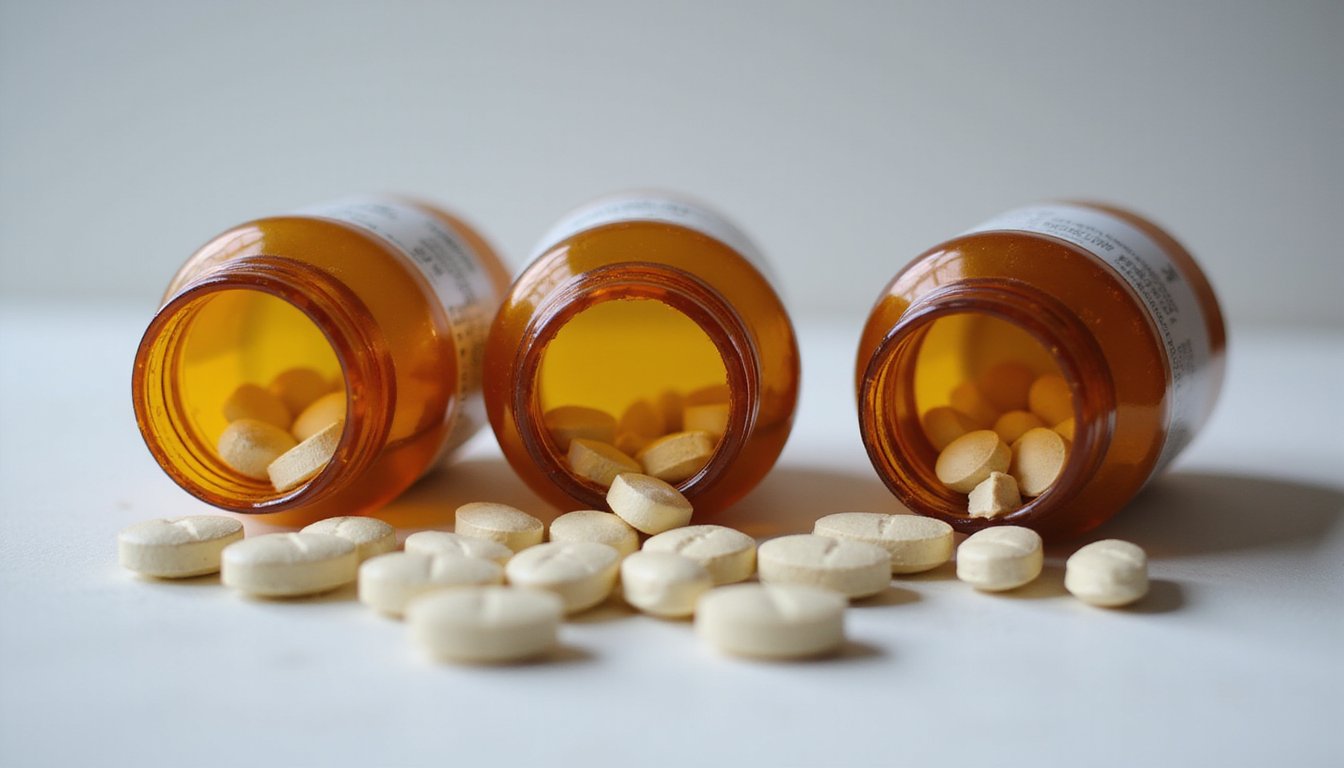



Recognizing the Warning Signs of a High-Risk Addiction Crisis

When someone you love is battling addiction, knowing what to look out for can mean the difference between life and death. Watch for pinpoint or dilated pupils, shallow breathing, and pale or bluish skin. Track marks, dramatic weight changes, and neglected responsibilities signal deepening crisis.
You’ll notice behavioral shifts, sudden isolation, secretive actions, and deteriorating work or school performance. Financially, unexplained money loss and selling possessions indicate substance acquisition desperation. Be aware that gambling to escape problems often co-occurs with substance addiction, creating compounded crisis situations.
Understanding these markers strengthens your relapse prevention strategies and helps you connect loved ones with early intervention programs before situations escalate. Don’t ignore mood swings, paranoia, or disconnection from previously enjoyed activities. These psychological changes demand immediate attention. The pandemic has intensified these risks, as many individuals turned to substances to cope with prolonged uncertainty and stress.
Acting quickly when you spot these signs creates opportunities for life-saving intervention.
Essential Emergency Response Steps When Someone Is in Immediate Danger
When you witness someone in immediate danger from a suspected overdose, your quick action can save their life. Call 911 right away and clearly describe what you’re seeing, slowed breathing, unresponsiveness, or blue lips, so dispatchers can send the right help fast. If you have naloxone available, administer it immediately while waiting for emergency services to arrive, as this medication can rapidly reverse opioid effects and restore breathing. The primary goal of this immediate response is to ensure safety and minimize harm while enabling the person to access long-term treatment. Following the crisis, the NJ Division of Mental Health and Addiction Services offers free crisis counseling and referral services to help individuals and families navigate the path to recovery.
Call 911 Immediately
Recognizing when a situation has escalated beyond what you can handle alone is crucial, and calling 911 immediately becomes essential if someone shows life-threatening overdose signs like unresponsiveness, slow or stopped breathing, blue or gray lips, or gurgling sounds.
When you contact emergency dispatch, provide your exact location first, this guarantees help arrives even if your call disconnects. Clearly state the reason for danger, substances involved, and the person’s current mental status. This information helps responders prepare appropriate interventions before on scene response begins. Many 911 call centers now have embedded behavioral health professionals who can provide immediate de-escalation strategies and help determine the most appropriate response team for addiction crisis situations.
While waiting, stay on the line with the dispatcher and follow their instructions. If the person’s behavior becomes threatening, move to a safe location immediately. Your safety matters too. Reduce environmental stimulation by lowering noise and limiting the number of people present to help prevent escalation. The HOPENY helpline can also connect with emergency services and follow up to confirm necessary support is provided to the individual in crisis.
Administer Naloxone If Available
If you suspect someone is experiencing an opioid overdose, marked by slow or absent breathing, extreme unresponsiveness, or pinpoint pupils, administering naloxone immediately can save their life. Don’t wait for confirmation; naloxone is safe even if the overdose isn’t opioid-related.
For nasal spray, deliver one spray into a nostril without priming. Auto-injectors go into the outer thigh, even through clothing. Expect a response within 2, 3 minutes. Intranasal administration has approximately 50% bioavailability and a plasma half-life longer than intramuscular injection.
Here’s what’s critical: naloxone wears off in 30, 90 minutes, often before the opioid does. Follow repeated dosing protocols, if there’s no response after 2, 3 minutes, administer another dose. Fentanyl overdoses may require multiple doses because fentanyl is associated with chest wall rigidity, making ventilation more difficult without the medication.
Ensure proper naloxone storage so it’s ready when needed. While waiting for EMS, maintain rescue breathing and monitor continuously.
Administering Naloxone During a Suspected Opioid Overdose

When someone you care about shows signs of an opioid overdose, slow or absent breathing, pinpoint pupils, or complete unresponsiveness, you need to act immediately. Naloxone can reverse the effects of opioids and restore breathing within minutes, and it’s safe to administer even if you’re not certain opioids are involved. Some countries have made naloxone available over-the-counter to improve access for those who may witness an overdose. Understanding how to recognize these warning signs and properly administer naloxone could mean the difference between life and death. Remember that naloxone’s reversal effects are only temporary, so always call for emergency help immediately after administering the first dose and continue monitoring the person closely.
Recognizing Overdose Warning Signs
Five critical warning signs can help you determine whether someone is experiencing an opioid overdose: unresponsiveness to stimulation, pinpoint pupils, slow or absent breathing, blue or gray discoloration of the lips and fingertips, and a limp body that feels cold and clammy.
Recognizing overdose symptoms quickly saves lives. Listen for gurgling or choking sounds, which indicate airway obstruction. Watch for extreme drowsiness that shifts suddenly to unconsciousness, especially after drug use.
Identifying overdose risk factors matters because many deaths involve opioids mixed with alcohol, benzodiazepines, or hidden fentanyl. If someone can’t wake up, speaks incoherently, or breathes fewer than 12 times per minute after using substances, treat it as an overdose immediately. People who take opioids after a period of abstinence face heightened danger because their tolerance has decreased significantly.
Don’t wait for every symptom to appear. When you notice sedation combined with breathing problems, act fast and administer naloxone. If the person remains unresponsive, give a second dose of naloxone after 2-3 minutes.
Naloxone Administration Techniques
Naloxone reverses opioid overdoses quickly and safely, and you don’t need medical training to use it. Proper naloxone storage guarantees your supply remains effective when crisis strikes. For nasal spray, peel back the package, insert the nozzle until your fingers touch the person’s nose, and press the plunger firmly.
For prefilled syringes, place the person on their back, remove the red safety guard, press the black end against their outer thigh through clothing, and hold for five seconds. Expedient naloxone administration saves lives, act immediately upon suspecting an overdose. Remember that the goal of administering naloxone is to restore normal breathing, not necessarily to bring the person back to full consciousness.
If there’s no response within 2-3 minutes, administer a second dose in the alternate nostril or injection site. Call emergency services immediately and monitor the person until help arrives. Plan to stay with the person for at least 3 hours or until emergency responders take over care.
National and Local Crisis Hotlines Available Around the Clock
Because addiction crises don’t follow a schedule, you need access to support at any hour, and that’s exactly what 24/7 hotlines provide. SAMHSA’s National Helpline (1-800-662-4357) connects you with free, confidential treatment referrals and crisis intervention strategies tailored to your situation. The 988 Suicide & Crisis Lifeline offers immediate support for substance use emergencies through call, text, or chat.
For veterans, pressing 1 after dialing 988 connects you with specialized responders who understand military-related challenges. Families can reach Drugfree.org’s Parent Helpline (855-378-4373) for guidance on helping loved ones.
These hotlines serve as gateways to community based recovery resources, linking you with local detox centers, outpatient programs, and peer support networks. Don’t wait for business hours, trained counselors stand ready now to help you take the next step toward recovery.
Mobile Crisis Teams and Field-Based Intervention Services
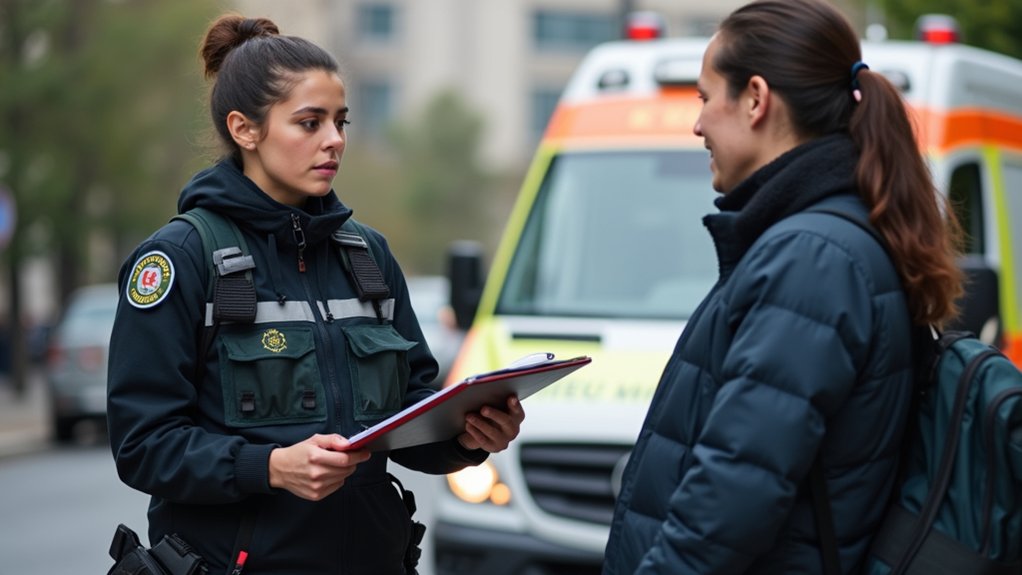
While crisis hotlines provide immediate phone support, mobile crisis teams (MCTs) bring trained professionals directly to you, wherever you are. These field-based teams respond to calls from hotlines, hospitals, schools, and community members, meeting you at home or in public spaces during your most vulnerable moments.
MCTs dramatically reduce emergency department visits, sending only 6.6% of contacts to ERs compared to 70% through traditional law enforcement responses. They resolve 68% of crises on-site and connect 28% of individuals to outpatient behavioral health providers.
For addiction emergencies, MCTs carry naloxone and link you to detox or treatment services. Research shows counties with MCT access see 7% fewer overdose deaths. Despite mobile crisis workforce challenges and varying mobile crisis financing models, these teams save lives daily.
Navigating Emergency Department Care for Acute Addiction Crises
When addiction crises escalate beyond what mobile support can manage, emergency departments step in as critical safety nets. ED staff use validated screening tools to assess your condition and apply DSM-5 criteria to determine severity. Identifying withdrawal symptoms like agitation, sweating, and rapid heartbeat helps clinicians act quickly.
You’ll benefit from coordinating multidisciplinary care that addresses both addiction and any co-occurring mental health conditions. ED teams can initiate buprenorphine on-site, substantially improving your chances of engaging in ongoing treatment. Before discharge, you should receive naloxone along with overdose recognition training.
The most effective EDs provide “warm handoffs”, direct connections between you and addiction treatment providers. This isn’t just a referral slip; it’s a phone call or introduction that bridges you to continued care and lasting recovery support.
What Happens After the Crisis: Stabilization and Treatment Referrals
The first 72 hours after an addiction crisis determine much of your recovery trajectory. During stabilization, you’ll receive 24/7 monitoring, withdrawal management, and crisis counseling to reduce acute distress and restore baseline functioning. Your treatment team conducts thorough assessments to match you with the right level of care.
Care continuity depends on these critical steps:
- Complete a biopsychosocial evaluation covering substance history, mental health, and social supports
- Receive medication management for withdrawal and co-occurring conditions
- Develop a safety plan with basic coping strategies
- Schedule follow-up appointments before discharge
Your first line supports include case managers who coordinate warm handoffs to outpatient programs, MAT providers, or residential treatment. This structured linkage substantially reduces rehospitalization and prevents relapse.
Creating a Personal Crisis Plan for Future High-Risk Situations
Stabilization and treatment referrals set the foundation for your recovery, but preparing for future high-risk moments gives you real power over your addiction journey.
Start by identifying personal triggers, substance use patterns, emotional breakdowns, or family conflicts that escalate crises. Document these warning signs clearly so you recognize danger before it peaks.
Next, focus on establishing communication protocols with your support network. List emergency contacts by availability, secure consent for information sharing, and assign specific roles to sponsors, family members, and mental health professionals.
Remove physical hazards from your environment, including substances and self-harm means. Identify safe backup locations for temporary stays.
Finally, document which treatments worked previously and which caused harm. This prevents repeating ineffective interventions during vulnerable moments.
Frequently Asked Questions
Can I Be Arrested for Calling 911 During a Drug Overdose Emergency?
No, you’re protected when you call 911 during an overdose. Good Samaritan laws provide legal protections against drug possession charges for both you and the person overdosing. These laws exist because saving a life matters more than prosecution.
Don’t let fear stop you, call immediately. However, know that protections don’t cover outstanding warrants or trafficking charges. Your quick action can prevent a fatal outcome. Always call 911 without hesitation.
How Do I Convince Someone in Crisis to Accept Help?
Use empathetic communication by listening without judgment and reflecting back what they’re feeling. Stay calm to support crisis de-escalation, your steady presence helps them feel safer. Validate their struggle while gently highlighting the gap between their current situation and what they truly want for themselves. Offer concrete, simple next steps rather than overwhelming options. Express genuine confidence in their ability to get through this, and remind them they don’t have to face it alone.
What if the Person in Crisis Refuses to Go to Treatment?
If someone refuses treatment, don’t give up, you still have options. Research your state’s involuntary commitment options for situations involving imminent danger to themselves or others. Meanwhile, implement harm reduction strategies like providing naloxone, removing lethal means, and maintaining open communication. Remember, about half of those who initially refuse treatment accept help within weeks. Stay connected, follow through on boundaries you’ve set, and keep treatment doors open for when they’re ready.
Are Crisis Intervention Services Covered by Insurance or Medicaid?
Yes, most insurance plans and Medicaid cover crisis intervention services. Your preventive mental health coverage under ACA-compliant plans includes these essential benefits, and you can’t be denied due to pre-existing conditions. Medicaid remains the largest payer for mental health crisis services. Check your emergency service eligibility directly with your provider, many plans now cover mobile crisis teams and stabilization services. Don’t let coverage concerns delay getting help during a crisis.
How Can Family Members Access Support During a Loved One’s Addiction Crisis?
You can reach out to crisis response hotlines like 988 or 1-800-273-TALK for immediate guidance and emotional support around the clock. Connecting with family support groups such as Nar-Anon, Al-Anon, or SMART Recovery Family & Friends gives you peer support from others who understand your situation. You’re not alone in this, these resources help you care for yourself while supporting your loved one through their crisis.