






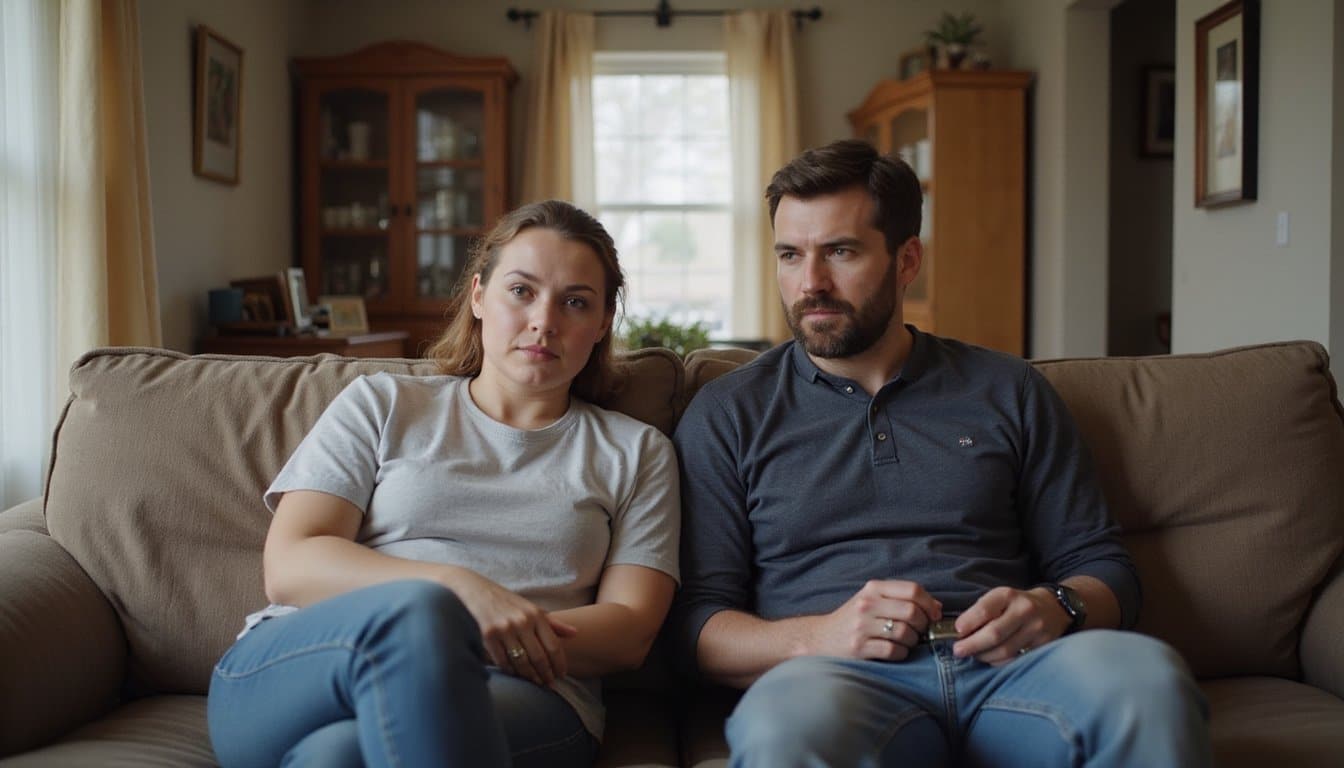

Modern mental health treatment offers you five evidence-based approaches that combine traditional methods with breakthrough technologies for extensive recovery support. You’ll find integrative psychotherapy, advanced medications like Cobenfy™, AI-enhanced digital solutions, community-based collaborative care, and holistic lifestyle interventions. Each approach adapts to your unique needs while maintaining clinical effectiveness. Understanding these treatment options in detail can help you make informed decisions about your mental health journey.
Traditional Psychotherapy and Its Modern Evolutions

Four major schools of traditional psychotherapy, cognitive behavioral, psychodynamic, humanistic, and gestalt approaches, have laid the groundwork for modern mental health treatment. These evidence-based methods consistently demonstrate high efficacy rates, with psychodynamic therapy showing improvement in 92% of cases. A study has proven that online talk therapy is equally effective as traditional in-person therapy sessions. Individual and group therapy sessions allow patients to receive tailored care in their preferred therapeutic environment.
You’ll find that today’s integrative psychotherapy techniques merge these traditional foundations with technological innovations. Through personalized treatment planning, your therapist can now combine AI-assisted counseling, neuroscientific advances, and classic therapeutic approaches. This synthesis enhances treatment outcomes while maintaining the core principles that make traditional therapy effective.
The integration of digital platforms and traditional methods has revolutionized accessibility to mental health care, ensuring you receive extensive support that’s grounded in both established practices and cutting-edge developments. Gestalt therapy practitioners help individuals by encouraging them to focus on the present moment, rather than dwelling on past experiences.
Breakthrough Medications and Neurological Treatments
Recent advances in psychopharmacology and neurological treatments have transformed the landscape of mental health care. You’ll find breakthrough medications like Cobenfy™, which targets muscarinic receptor modulation to treat schizophrenia without traditional side effects. The drug combines xanomeline and trospium to effectively manage psychotic symptoms while minimizing gastrointestinal side effects. Lumateperone offers enhanced relapse prevention, while new antidepressants address treatment-resistant conditions. The latest clinical data shows that Lumateperone provides a 63% reduction in schizophrenia relapse risk compared to placebo.
Psychedelic-assisted psychotherapy has emerged as a powerful intervention, with psilocybin showing remarkable results for depression, OCD, and PTSD. The FDA’s breakthrough designation for methylone (TSND-201) signals growing acceptance of these innovative approaches. Recent studies have demonstrated that proper psilocybin treatment requires two days of preparation and extensive medical supervision for optimal therapeutic outcomes.
You can now access advanced neuromodulation options, including Transcranial Magnetic Stimulation and non-invasive vagus nerve stimulation. These treatments, combined with Virtual Reality therapy and Deep Brain Stimulation, provide targeted solutions for severe psychiatric conditions unresponsive to conventional treatments.
AI-Enhanced Digital Mental Health Solutions

Alongside breakthrough medications and neurological treatments, AI-powered digital solutions now form a cornerstone of modern mental health care. You’ll find 24/7 access to virtual emotional support through advanced chatbots and digital companions that provide immediate, stigma-free assistance during periods of distress. Innovative systems have made mental health support particularly accessible for those in remote geographic areas. Research demonstrates that AI therapy companions like Clare&me and Limbic Care deliver empathetic support without judgment.
These AI systems analyze your health records, behavioral patterns, and real-time data to detect early warning signs of mental health conditions, enabling prompt intervention. You’ll receive personalized psychoeducation and treatment recommendations based on your unique profile, including targeted mindfulness exercises and therapy modules. The integration of machine learning algorithms helps clinicians deliver more precise and effective treatment strategies.
Working alongside human therapists, these digital tools enhance traditional treatment by offering continuous support between sessions. This hybrid approach has proven particularly effective for managing chronic conditions and extending mental health care to previously underserved populations.
Community-Based Support and Collaborative Care Models
As mental health care evolves beyond traditional clinical settings, community-based support networks and cooperative care models have emerged as essential components of modern recovery.
Community care and support networks represent the future of mental health treatment, moving recovery beyond hospital walls into neighborhoods and daily life.
You’ll find these recovery oriented rehabilitation approaches deliver care through:
- Integrated multidisciplinary care teams that combine primary care physicians, psychiatrists, psychologists, and social workers to provide extensive treatment while reducing healthcare costs
- Community-based programs that bring services directly to homes, workplaces, and schools, greatly improving clinical outcomes through high-engagement initiatives
- Peer support networks that leverage lived experience to enhance service relevance and community resilience
These collaborative models emphasize person-centered care, utilizing sliding scale fees and task-shifting strategies to expand access. With Medicare and Medicaid populations experiencing disproportionately high rates of mental illness and substance use disorders, these community-based approaches are particularly critical. Organizations like NAMI offer free support groups to ensure inclusivity and accessibility within communities. This approach is particularly vital since mental health services are frequently underfunded, understaffed, or unavailable, especially in rural and remote areas. While only a minority of countries have fully shifted to broad community-based systems, evidence shows these approaches consistently improve both treatment outcomes and long-term recovery success.
Holistic Lifestyle and Nutrition-Based Approaches

The integration of holistic lifestyle and nutrition-based approaches has revolutionized mental health recovery by addressing the interconnected nature of physical, emotional, and psychological well-being. Through community health partnerships and trauma-informed approaches, you’ll find ideal treatment options that combine traditional therapies with innovative holistic practices. Studies show that incorporating mindfulness and yoga leads to significant reductions in both anxiety and depression symptoms with lasting positive effects. Practitioners utilize interprofessional collaboration to develop comprehensive treatment plans that meet individual needs. Early diagnosis and treatment from mental health professionals can significantly improve recovery outcomes and prevent worsening of symptoms.
| Holistic Method | Benefits for Recovery |
|---|---|
| Mindfulness | Reduces stress, improves emotional regulation |
| Nutritional Support | Enhances mood stability through gut-brain connection |
| Movement Therapy | Increases physical and mental resilience |
| Creative Expression | Facilitates emotional processing and healing |
| Integrative Care | Combines multiple approaches for prime outcomes |
These evidence-based interventions support your recovery journey by treating root causes rather than just symptoms, while personalized nutrition plans and mindfulness practices strengthen your body’s natural healing mechanisms.
Frequently Asked Questions
How Long Does It Typically Take to See Improvements in Mental Health?
You’ll typically see mental health improvements within 4-12 weeks, though the expected time frame varies by treatment type. CBT shows changes after 4-6 weeks, while antidepressants take 2-6 weeks for initial effects. Individual response variability is significant; some people experience rapid improvement within days (especially with treatments like ketamine), while others may need several months. Your progress depends on treatment type, symptom severity, and personal factors including treatment compliance.
What Are the Costs and Insurance Coverage Options for These Treatments?
You’ll find most insurance plans now cover mental health treatment equally with medical care, thanks to federal parity laws. Your out-of-pocket expenses typically include copays of $20-50 per therapy session, with annual maximums capped at $9,200 for individuals. While potential insurance limitations may exist for specific treatments, you’re protected by law to receive comparable coverage for mental health services. Medicare’s new $2,000 prescription drug cap also helps manage medication costs.
Can Children and Adolescents Safely Access These Mental Health Treatments?
Yes, you can safely access mental health treatments for your child or teen through multiple supervised channels. You’ll find age-appropriate guidance from licensed professionals who specialize in youth mental health. School-based resources often serve as an initial access point, offering screenings and counseling services. Your child’s pediatrician can also coordinate referrals to behavior therapy, CBT, or family therapy programs that are specifically designed and tested for young people’s safety and effectiveness.
What Happens if One Type of Treatment Doesn’t Work for Me?
If your initial treatment isn’t effective, don’t worry, it’s actually quite common. You’ll work with your healthcare provider to explore alternative options, which might include switching medications, trying different types of therapy, or exploring combination therapies. Your provider will continuously monitor your progress and adjust your treatment plan accordingly. Remember, finding the right treatment can take time, but there are multiple evidence-based approaches available to help you achieve better mental health outcomes.
Are These Treatments Equally Effective Across Different Cultural Backgrounds and Ethnicities?
No, mental health treatments aren’t equally effective across all cultural backgrounds. You’ll find that most treatments were developed from Western perspectives, which may not align with your cultural beliefs and practices. For ideal results, you’ll need a provider who demonstrates cultural competence and understands diverse perspectives. They should adapt treatment approaches to respect your cultural context, beliefs about mental health, and preferred healing methods. This personalization considerably improves your chances of successful treatment outcomes.