






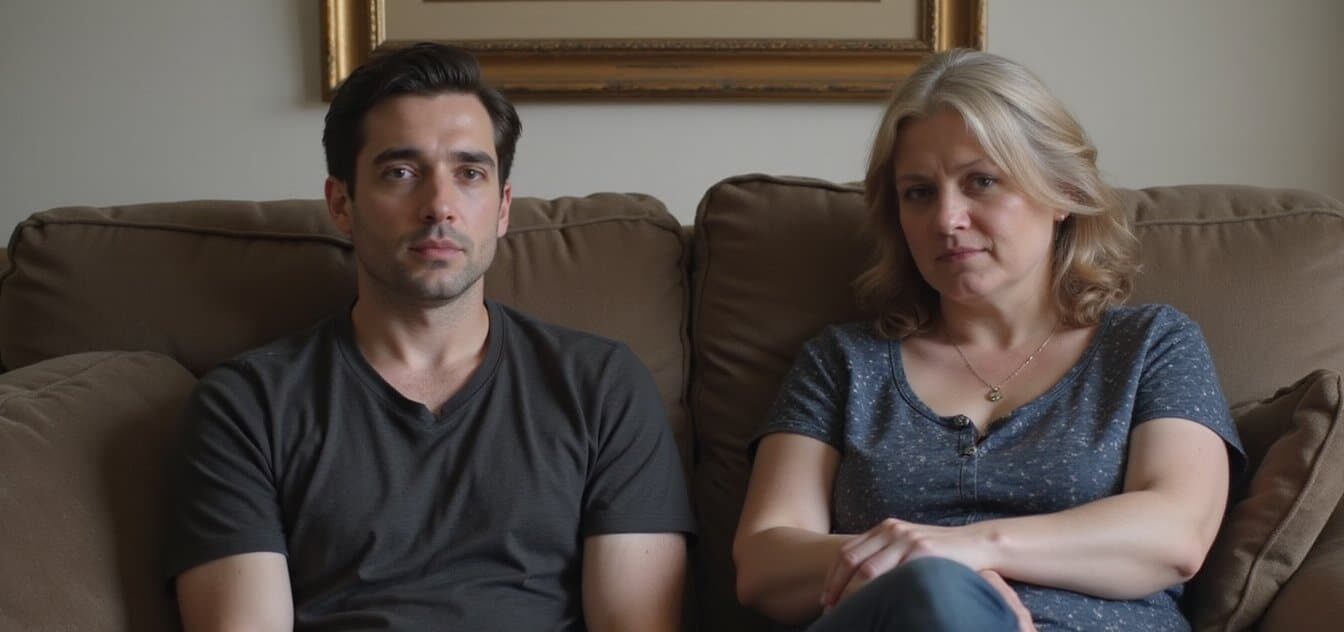

When a loved one says “I’m fine” but clearly isn’t, responding with gentle curiosity rather than pressure can help. It may be helpful to say, “Support is available whenever they are ready to talk” or “They do not have to be okay right now.” Remember that stigma causes nearly 60% of people with mental illness to avoid seeking help, so denial often stems from fear, not stubbornness. Understanding why they are protecting themselves can help loved ones respond with patience and the right words. When a loved one says “I’m fine” but clearly isn’t, responding with gentle curiosity rather than pressure can make a meaningful difference. Phrases like “Support is available whenever they are ready to talk” or “They do not have to be okay right now” create a safer space for openness. Many families also wonder is denial a sign of addiction, since avoidance and minimization are common when someone fears judgment or consequences. With stigma causing nearly 60% of people with mental illness to avoid seeking help, denial often reflects fear and self-protection rather than stubbornness, which is why patience and supportive language are so important.
Why “I’m Fine” Rarely Means Fine

When someone responds with “I’m fine,” they are rarely describing their actual emotional state. These denial phrases often signal deeper struggles they cannot or will not articulate. This reflects emotional avoidance, a protective mechanism rooted in fear of vulnerability, judgment, or overwhelming pain.
This behavioral avoidance serves multiple purposes. A loved one might be shielding others from worry, maintaining their role as the “strong one,” or simply lacking the energy to unpack complex feelings. In addiction contexts, these responses become critical addiction communication signals worth noting. For many people, this response stems from growing up in environments where conflict and chaos prevented them from receiving emotional validation.
What looks like reassurance masking risk actually blocks connection and delays acknowledgment of real problems. When “I’m fine” becomes automatic, it disconnects inner turmoil from outward expression, creating distance precisely when closeness matters most. Over time, this suppression can lead to emotional numbness and difficulty experiencing positive emotions like joy or excitement. For those with trauma histories, saying “I’m fine” may function as a survival strategy connected to hyper-independence, fawning, or fear of emotional abandonment.
Stigma, Fear, and the Need to Handle It Alone
When a loved one insists they are fine, stigma often plays a powerful role in their silence, research shows that 58% of people with severe mental illness avoid seeking help because they worry about how others will perceive them. Fear of being labeled or misunderstood can feel so overwhelming that handling everything alone seems safer than risking judgment, even from family. This self-stigma can lead to internalized shame that makes them believe they are to blame for their struggles. Understanding this helps loved ones recognize that “I’m fine” is not rejection, it is often self-protection born from real experiences with discrimination and shame. While public attitudes toward depression have shown some improvement, stigma toward conditions like schizophrenia and alcohol dependence has remained stagnant or even regressed over the past two decades. This protective instinct runs deep, as 94% of people living with mental illness report being treated differently because of their condition.
Why Stigma Silences People
The phrase “I’m fine” often carries weight that has nothing to do with actually being fine. When a loved one uses these words, this likely reflects minimization behavior rooted in real fear. Nearly 60% of adults with mental illness do not receive care, largely because stigma makes asking for help feel dangerous.
Consider what a loved one may be protecting themselves from:
- Being treated differently by 94% of people around them
- Facing discrimination from the very professionals meant to help
- Losing job opportunities or housing access
- Experiencing reduced hope and worsening symptoms from self-stigma
The emotional wall that forms is not imagined. Stigma teaches people that silence feels safer than vulnerability. The impact is undeniable, 9 out of 10 people with mental health problems report that stigma and discrimination negatively affect their lives. Media portrayals that depict people with mental illness as homicidal maniacs or weak-willed reinforce the shame a loved one may carry. Understanding this helps foster patience rather than frustration.
Fear Delays Getting Help
Fear operates differently than most people expect, and it directly shapes when a loved one seeks help. Surprisingly, intense fear often accelerates treatment-seeking, while low-level, persistent fear enables avoidance. When someone minimizes symptoms, short-term anxiety is reduced but long-term harm is created. Research confirms that avoidance coping prolongs help-seeking, sometimes by decades. Studies show that fear of discovering the cause of symptoms was cited as a reason for delay in 17% of cancer patients. These delays carry serious consequences, as untreated mental disorders inflict tremendous morbidity, mortality, and impairment worldwide.
| Fear Response | Typical Outcome |
|---|---|
| High intensity | Earlier help-seeking |
| Low intensity | Prolonged delays |
| Panic/death anxiety | Decision within 1 hour |
| Defensive minimization | Increased delay |
| Symptom dismissal | Years without treatment |
Median delays for anxiety disorders range from 9 to 23 years among those who eventually seek treatment. A loved one’s “I’m fine” may reflect protective avoidance rather than genuine stability, a coping mechanism that feels safer than confronting fear directly.
Believing They’re Alone
Beyond the protective avoidance that delays help-seeking, another powerful force keeps a loved one silent: the belief that they are fundamentally alone in their struggle. When addiction dismissal language becomes the default, it is often rooted in shame-driven isolation. Research shows stigma directly increases loneliness through social withdrawal.
A loved one may experience:
- Internalized stigma that lowers self-worth and confidence
- Fear that disclosure will invite judgment rather than support
- Family concern invalidation that reinforces isolation
- Addiction dialogue patterns that mask deep loneliness
With 30% of U.S. adults experiencing weekly loneliness, this isolation is not unusual, but it feels uniquely personal. Stigma promotes secrecy over openness, making “I’m fine” a protective barrier against anticipated rejection. Young people with depression often score 27 or above on standardized measures, indicating clinical levels of symptoms that intensify this sense of isolation. Those experiencing loneliness face 3.0 times higher prevalence of frequent mental distress, compounding the emotional burden carried alone. Among individuals with severe mental disorders including depression and bipolar disorder, approximately 59% experience loneliness, revealing how common this painful isolation truly is. Understanding this helps foster compassion rather than frustration when distance is created.
Phrases That Get Past “I’m Fine” Without Pushing
When someone deflects with “I’m fine,” it is not necessary to accept the wall or tear it down, an alternative door can be offered instead. Gentle conversation starters like “Support is available whenever they want to talk” or “Sitting together quietly is also okay” signal availability without demanding vulnerability before readiness. Respecting boundaries while staying present demonstrates safety when the timing feels right. Remember that “I’m fine” may reflect difficulty articulating feelings or a belief of being undeserving of support, which makes patient presence meaningful. When openness begins and positive responses are shared, tone matters, phrases like “I’m great” need to be expressed with enthusiasm rather than delivered in monotone, which could signal sarcasm masking deeper struggles. Research shows that only 19% of people genuinely mean it when they say “I’m fine,” so compassionate persistence matters more than it may initially seem.
Gentle Conversation Starters
Many people instinctively respond with “I’m fine” when struggling most, making it essential to approach conversations with curiosity rather than interrogation. Understanding resistance communication helps recognize that deflection often signals vulnerability, not indifference.
These gentle approaches can encourage openness:
- Ask “How are things going lately, really?” to signal genuine concern beyond polite obligation
- Use specific prompts like “What are the highs and lows in life right now?”
- Acknowledge context by saying “Work has been stressful, how is that having an impact?”
- Request description rather than labels: “Can more be shared about how that is feeling?”
These questions create space for honesty without pressure. Dialogue is invited rather than demanded, which helps a loved one feel safe enough to share what is truly happening.
Respecting Their Boundaries
Four out of five people who say “I’m fine” do not actually mean it, according to a Mental Health Foundation survey, yet pushing past this response often backfires. When encountering substance use deflection, respect becomes the most powerful tool.
Phrases that invite without demanding can help. “There is concern and a desire to understand the perspective involved,” opens doors that confrontation closes. Sharing personal experience, ”That feeling is familiar; it has been experienced before”, can build a connection without pressure.
When someone says “I don’t want to talk about it,” self-protection from vulnerability often occurs. That boundary can be honored while space remains open. It may help to say, “A private conversation can happen whenever readiness is there.” This acknowledges the need for control while signaling continued support.
Patience validates the individual timeline without enabling avoidance indefinitely.
Words That Make Them Shut Down Faster

Although the instinct to help may be strong, certain phrases can cause a loved one to retreat further into silence. When considering what to say when a loved one says “I’m fine,” knowing what to avoid is equally important.
Research shows these responses trigger withdrawal:
- Timeframe judgments like “It should be over by now” invalidate emotional processing and increase distress
- Comparative statements such as “others have it worse” minimize unique suffering
- Prescriptive commands, including “buck up” or “get over it” discourage authentic expression
- False empathy claims like “I know exactly how that feels” create perceived insincerity
These well-meaning phrases compound shame and guilt, pushing someone deeper into protective silence rather than opening dialogue.
Staying Patient When Denial Keeps Coming
When a loved one repeatedly insists they are fine despite clear signs of struggle, the urge to push harder can feel almost impossible to resist. But denial functions as a protective mechanism that cannot be dismantled through force. Pushing too hard often triggers defensiveness and entrenches the position further.
Breakthroughs rarely happen in a single conversation. Recognition comes at individual paces, and readiness to accept support may not yet be present, no matter how well-intentioned that support is.
Instead of demanding acknowledgment, focus on consistent, gentle approaches over time. “I” statements can express concern without blame. Saying “There is worry when…” rather than “There is dishonesty” invites listening rather than protective reactions, keeping the door open for future conversations.
Signs It’s Time to Bring in Professional Support

Sometimes the gap between “I’m fine” and reality becomes too wide to bridge through family support alone. When denial persists despite best efforts, professional intervention becomes essential rather than optional.
These critical signs indicate outside help is needed:
- Threats or attempts to harm themselves or others
- Extreme withdrawal combined with hopelessness or feeling like a burden
- Delusions, hallucinations, or complete loss of touch with reality
- Inability to perform basic daily tasks like bathing or eating
Seeking professional support is not a failure, it reflects recognition of the limits of what family support alone can address. Mental health professionals and addiction specialists have training and tools that loved ones may not. Reaching out for help demonstrates strength and commitment to a loved one’s wellbeing. Understanding why addicts deny they need help can be a crucial step in supporting their journey towards recovery. Often, this denial is rooted in fear, shame, or a deep-seated belief that they can manage the situation on their own. Overcoming these barriers requires patience and persistence from both the individual and their support system.
Protecting Your Mental Health While They Deny Theirs
Living alongside someone who refuses to acknowledge their struggles takes a measurable toll on personal wellbeing. When consistently met with “I’m fine,” self-doubt or helplessness may develop. Research shows 21% of people avoid seeking their own support due to fear or embarrassment, this pattern does not have to continue. Addressing psychological barriers to change is crucial for breaking this cycle. By encouraging open conversations and fostering a supportive environment, individuals can begin to dismantle these barriers. Empowering oneself to seek help is a vital step toward personal growth and emotional resilience.
Protection cannot be forced on someone who denies needing protection, but self-safeguarding is possible. Recognize that 31% of people cite being “too busy” as a barrier to care, prioritizing mental health is not selfish; it is necessary. Seeking a provider who understands lived experiences is important, since 41% of people struggle to find culturally competent support.
Wellbeing matters independently of another person’s choices. Setting boundaries is not abandonment, it is sustainable caregiving.
Take the First Step Toward Help Today
Supporting a loved one who refuses help can feel isolating, but no one has to go through it alone. Reflection Family Interventions offers professional intervention services designed to compassionately guide even the most resistant individuals toward the care they truly need. Reach out at (888) 414-2894 today and allow support to be present every step of the way.
Frequently Asked Questions
How Long Should I Wait Before Bringing up My Concerns Again?
There is no need to wait long, bringing up concerns again within a few days to a week is appropriate. Research shows early, consistent support matters considerably for mental health outcomes. If concern is present, that concern is valid. Choose a calm moment when both individuals are relaxed, and approach with curiosity rather than pressure. A loved one may need multiple gentle conversations before readiness to open up develops.
Can Saying “I’m Fine” Ever Actually Indicate Genuine Stability?
Yes, “I’m fine” can absolutely reflect genuine stability. When someone’s relaxed tone matches their body language, uncrossed arms, soft expression, truthfulness is likely. Research shows about 34% of people use this phrase simply because it accurately describes their state. In casual settings or routine greetings, “fine” often means exactly what it says. Authenticity is recognizable when there is no tension between words and presentation.
Should I Involve Other Family Members in Conversations About Their Denial?
Other family members can be involved, but this should be approached thoughtfully. Research shows active family participation enhances treatment outcomes and reduces relapse rates. However, a loved one’s relationships with those family members should be considered first, poor dynamics can hinder progress. Before expanding the conversation, ensure that power struggles are not being created or overwhelm triggered. Start with family members who share trusting relationships and can offer consistent, non-judgmental support.
What if My Loved One Becomes Angry When I Question Their Response?
When anger arises, a challenging perspective in that moment may intensify the reaction. Instead, validating emotions and expressing empathy without abandoning concern can help. Waiting until calm returns before gently revisiting the conversation is often effective. Anger frequently signals that vulnerability has been touched. A compassionate acknowledgment such as “This seems difficult to talk about,” can prevent defensive spirals while keeping the door open for future dialogue.
Is It Enabling if I Stop Asking How They’re Really Doing?
No, stepping back from repeated questions is not enabling, it is recognizing that pushing can backfire. Enabling involves protecting someone from consequences, not adjusting communication approach. Care can still be shown by remaining present without interrogation. What matters is that the door has been opened and availability is known. Connection can be maintained through actions rather than direct questions, which often feels less threatening and keeps trust intact.