






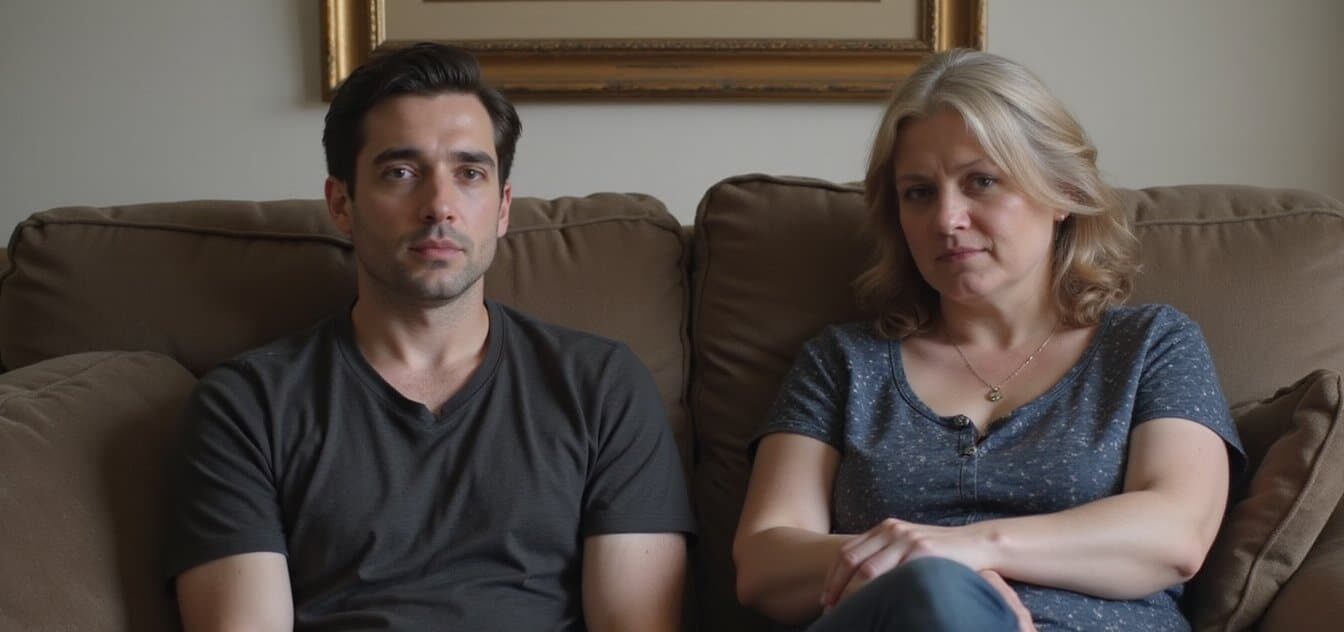

Resistance to help often occurs because the brain’s threat-detection system activates before logic can intervene, an amygdala response can impair reasoning by up to 30% when intervention is perceived as dangerous. If past relationships taught someone that vulnerability leads to harm, the nervous system may categorize support as a survival threat. This isn’t weakness; it’s protective neurobiology. Understanding the specific patterns driving resistance reveals why some approaches fail while others finally work.
Why the Brain Resists Help: Even When Help Is Needed

When someone offers help during the most vulnerable moments, the brain often treats it as a threat rather than a lifeline. The amygdala threat response activates instantly, flagging unfamiliar interventions as potential dangers. This triggers fight-or-flight reactions that impair reasoning by up to 30%. When someone offers help during a deeply vulnerable moment, the brain may interpret that support as a threat rather than a lifeline. The amygdala’s threat response can activate almost instantly, labeling unfamiliar interventions as potential danger and triggering fight-or-flight reactions that reduce clear reasoning by as much as 30%. Understanding these reactions is important when discussing Overcoming addiction denial reasons, because denial often emerges as a protective response to fear, shame, or perceived judgment rather than a deliberate refusal to accept help.
The brain’s energy conservation systems compound this resistance. The basal ganglia prefers familiar patterns, even harmful ones, over the metabolic demands of change. This creates emotional regulation issues that feel overwhelming when stress is already high. Unprocessed emotional trauma can keep someone locked in survival mode, creating rigid neural patterns that make accepting help feel impossible.
Fear-based behavior isn’t weakness; it’s neurobiology. Chronic stress damages the hippocampus, limiting capacity to form new patterns. Status quo and loss aversion biases make staying stuck feel safer than risking failure. Resistance protects against perceived threats. Understanding that resistance signals protection, not failure, can help change be approached with self-compassion rather than judgment. Countering these patterns by talking back to negative thoughts and asserting they are wrong can be an effective strategy for breaking through self-sabotaging resistance.
Why Past Trauma Makes Help Feel Dangerous
When trauma has taught someone that trusting others leads to harm, the brain categorizes vulnerability as a survival threat rather than a pathway to healing. The amygdala may remain hypervigilant, triggering protective reactions before the logical mind can assess whether a helper is actually safe. This isn’t a character flaw, it’s the nervous system prioritizing self-preservation based on legitimate past experiences where trust proved dangerous. When pushed outside a comfort zone, survivors may experience rapid defense responses that make the prefrontal cortex region less effective, leading to dysregulation and difficulty processing help as beneficial. Trauma survivors often have a narrow window of tolerance for emotional activity, meaning even well-intentioned interventions can quickly feel overwhelming and trigger fight, flight, or freeze responses. However, research shows that over half of women with initial psychiatric disorders following assault exposure actually recover within one year, demonstrating that the capacity to accept help and heal can emerge over time.
Trust Feels Inherently Risky
Many people who’ve experienced interpersonal trauma, abuse, betrayal, or harm from someone they depended on, develop what researchers call “reduced basic trust.” Studies show that trauma survivors, particularly those with PTSD from deliberate harm by others, invest considerably less trust in social interactions, even when the other person demonstrates cooperative behavior.
This betrayal trauma creates lasting attachment disruption that affects how trustworthiness is perceived. Early abusive environments prevent normal trust development, creating what researchers describe as a “glass ceiling” for trust capacity disruption. The brain forms rigid patterns, a person may struggle to distinguish safe people from harmful ones. These experiences often lead to fear of abandonment and fear of inadequacy that persist long after the original trauma.
During interventions, this manifests as automatic suspicion toward helpers, regardless of their intentions. The nervous system learned that depending on others leads to pain, making vulnerability feel genuinely dangerous rather than therapeutic. This is why trauma-informed approaches prioritize creating emotional safety and building trust through clear, consistent communication before expecting clients to engage fully in treatment.
Survival Instincts Override Logic
| What the Brain Perceives | What’s Actually Happening |
|---|---|
| Ambush/attack | Planned support gathering |
| Loss of escape routes | Safe conversation space |
| Judgment and rejection | Concern and love |
| Forced submission | Invitation to healing |
| Repeat victimization | Breaking destructive cycles |
Traumatic experiences create implicit memories that trigger fight-or-flight responses, causing the brain to perceive helpful interventions as threatening situations that require immediate self-protection. This occurs because trauma fundamentally transforms the body’s biology into a biology of threat, leaving survivors feeling chronically unsafe even in genuinely supportive environments. When escape seems impossible, the brain may activate freeze responses as primitive survival mechanisms, causing individuals to shut down or dissociate rather than engage with offered support.
When Avoidance Feels Safer Than Change

Coping mechanisms may have developed that provide immediate relief, even when they create longer-term problems, this pattern of control through temporary solutions feels manageable precisely because it’s predictable. Research shows that trauma-learned protective patterns become deeply ingrained, making avoidance feel like the safest option when facing the uncertainty of change. The brain’s fear response activates when facing unpredictable change, as uncertainty triggers the amygdala and makes familiar routines feel safer than unknown alternatives. Resistance isn’t weakness; it’s the nervous system doing exactly what it learned to do to keep someone safe. Even when change is attempted, approximately 70% of individuals return to their previous behaviors within a year, which can reinforce the belief that staying with familiar patterns is the wiser choice. This helps explain why traditional intervention approaches often fail for middle adolescents, as being told what to do can feel disrespectful and trigger the same protective resistance, since adolescents are particularly sensitive to experiences that threaten their sense of status and respect.
Control Through Temporary Solutions
| Temporary Solution | Underlying Need |
|---|---|
| Promising to cut back | Maintaining autonomy |
| Agreeing to “think about it” | Avoiding immediate pressure |
| Suggesting alternative timelines | Preserving decision-making power |
| Minimizing the problem | Protecting self-image |
Someone may be trying to negotiate safety within chaos. Recognizing this helps others respond with empathy rather than frustration. When people feel that organizational support exists, they are more likely to reciprocate with positive attitudes toward accepting change rather than resisting it. Research confirms that resistance to organizational change is fundamentally a facet of psychological resistance, meaning these temporary solutions reflect deeper protective mechanisms within the individual.
Trauma-Learned Protective Patterns
Why does someone who’s endured significant trauma often resist help even when safety finally becomes possible? The brain and body don’t automatically register safer environments after prolonged danger. Treatment avoidance becomes hardwired through repeated practice, similar to how athletes build muscle memory through training. Strategies for engaging defensive individuals can be crucial in facilitating their journey toward healing. By employing empathetic communication and creating a sense of safety, practitioners can encourage openness and trust. This gradual process allows individuals to confront their past experiences while feeling secure in their present environment.
Resistance psychology reveals that survival adaptations persist despite changed circumstances:
- Heightened threat processing keeps someone scanning for danger, even in supportive settings
- Autonomy defense activates when interventions feel like another loss of control
- Psychological reactance intensifies when past trauma involved powerlessness
These protective behaviors strengthened because they once kept someone alive. Avoidance coping patterns generalize from original trauma, making vulnerability feel genuinely dangerous. Retraining requires significant time to unlearn these ingrained responses, the nervous system needs convincing that safety is real. Establishing healthy communication tips for relationships can be a pivotal step in fostering trust and understanding. By actively listening and expressing feelings openly, individuals can dismantle barriers built by past experiences. This process not only enhances connection but also reinforces a sense of safety and security within the relationship.
Is Resistance Natural or Just a Reaction Right Now?
When pushback happens during an intervention, it can help to ask whether the reaction reflects a stable pattern or what is being experienced in the moment. Trait resistance represents a stable disposition toward autonomy that remains consistent across situations. This pattern may be recognizable when guidance has historically been opposed regardless of context or source.
State resistance operates differently. It emerges from specific perceived threats rather than personality. A person might avoid topics, cancel appointments, or suddenly withdraw effort, behaviors triggered by particular dynamics, not ingrained opposition.
This distinction matters for recovery. Research shows nondirective approaches work better for state resistance, while trait resistance requires different strategies. Understanding which type is present helps identify whether environmental changes are needed or deeper work on autonomy patterns.
Realistic Resistance: When the Therapist’s Approach Feels Wrong

Sometimes resistance signals genuine problems with the therapeutic approach rather than psychological defensiveness. Research shows poor treatment fit drastically influences hostile resistance, mandated counseling encounters more opposition than voluntary participation, and highly structured approaches can trigger combative responses.
Resistance becomes realistic when initiatives are deliberately opposed because they don’t align with individual needs. Consider whether:
- The therapist’s directiveness feels controlling rather than supportive
- The treatment style clashes with personality or values
- Empathy failures are sensed during difficult moments
Even individuals with challenging patient traits, narcissistic, obsessive, or angry tendencies, deserve approaches matched to their needs. Different treatments elicit distinct resistance types, meaning opposition might indicate misalignment rather than obstruction. When therapeutic fit fails, resistance serves as valuable feedback about what’s not working.
The Hidden Power Struggle Between a Client and a Therapist
Beyond treatment fit, another dynamic shapes the therapeutic experience: the power imbalance built into every counseling relationship. From the first session, a client is positioned as emotionally exposed while a therapist holds authority. This power dynamic isn’t accidental, it’s structurally embedded in psychotherapy itself.
A therapist may be constructed as a powerful figure who evokes dependency, anger, or even envy. Factors like race, socioeconomic status, and cultural background can amplify this perceived imbalance, making a client feel devalued or misunderstood.
When this power imbalance goes unaddressed, it evolves into a power struggle. A client may resist recommendations, defer inappropriately to a therapist’s opinions, or lose confidence in personal decision-making. Resistance signals something important: the relationship needs renegotiation.
Effective therapists acknowledge this dynamic openly, inviting transparency and feedback to restore collaborative balance.
Why Resistance Takes So Long to Break: And What Actually Helps
Though it may seem like resistance should crumble once someone recognizes a problem, the brain doesn’t work that way. Underlying fears, shame, and defensiveness become entrenched in cycles that perpetuate avoidance. Cognitive appraisal of the situation, not the situation itself, drives the stress response, meaning lasting change requires rewiring how threats are interpreted.
Recognizing a problem isn’t enough, the brain’s defensive wiring must be rewired before real change becomes possible.
Breaking through demands patience and specific techniques:
- Cognitive behavioral therapy challenges maladaptive thought patterns blocking progress
- Creative metaphors bypass defensive neural pathways that traditional questioning can’t reach
- Mindfulness practices build cognitive flexibility, helping difficult emotions be tolerated
These approaches work because they don’t fight resistance directly. Instead, they create safe spaces where intrinsic motivation develops gradually. Change happens when someone is guided, not pushed.
Take the First Step Toward Healing Today
When a loved one turns away from help, every passing day can feel heavier than the last. Reflection Family Interventions provides expert intervention services built to gently guide even the most resistant individuals toward the support and healing they need. Call (888) 414-2894 today and let us help your family take that first courageous step forward.
Frequently Asked Questions
Can Medication Help Reduce Psychological Resistance During Intervention Attempts?
Yes, medication can help reduce psychological resistance in certain cases. If a loved one has underlying treatment-resistant depression or anxiety, approved options like esketamine or olanzapine-fluoxetine combinations may stabilize mood, making that person more receptive to intervention. Adjunctive therapies like MBCT, alongside antidepressants, show significant improvement in symptoms. However, medication addresses the biological component, autonomy concerns and fears still need to be approached with empathy and patience for lasting engagement.
How Do Family Members’ Emotions Unintentionally Increase Resistance During Interventions?
Criticism, frustration, or emotional over-involvement, even when well-intentioned, can trigger defensive reactions in a loved one. Research shows high expressed emotion environments worsen mental health outcomes and increase relapse likelihood. When anger, hostility, or excessive worry is displayed, threat is unintentionally signaled rather than safety. A loved one’s resistance isn’t rejecting the family; self-protection from perceived judgment is occurring. Acknowledging personal emotional patterns helps create the collaborative atmosphere that reduces resistance.
Does Resistance Look Different in Teenagers Compared to Adults?
Yes, resistance does look different in teenagers. Heightened emotional reactivity and greater sensitivity to perceived rejection often appear, making teens more defensive during confrontations. Still-developing self-restraint means greater susceptibility to peer influence than adult guidance. While adults may resist through logical arguments, teenagers often display irritability or withdraw entirely. Better outcomes are achieved by using personalized approaches that address developmental stage rather than applying adult-focused intervention strategies.
Can Someone Resist Intervention While Genuinely Wanting Help at the Same Time?
Yes, someone can absolutely want help while simultaneously resisting it. This internal conflict isn’t contradictory, it’s predictable. Parts of a person may genuinely seek healing and connection, while protective parts fear the vulnerability that recovery requires. A nervous system shaped by past experiences can trigger defensive responses even when conscious effort is made toward support. This ambivalence reflects structural dissociation, where different aspects of the self hold competing needs for safety and change.
How Does Cultural Background Influence How People Experience and Express Resistance?
A cultural background shapes both how confrontation is experienced and how disagreement is allowed to be expressed. If a culture values indirect communication or elder deference, direct intervention tactics can feel deeply disrespectful, triggering resistance that’s really about protecting cultural identity. Research shows culturally adapted approaches substantially improve outcomes, while one-size-fits-all methods often intensify opposition. Resistance may signal that the intervention itself conflicts with a community’s values, not that help is being rejected.