








Yes, siblings can effectively lead interventions for children with autism. Research shows that with proper training, siblings typically achieve 80% mastery of behavioral skills within just two sessions. They’re uniquely positioned to provide constant practice opportunities during daily routines, which helps your child better maintain and generalize learned skills. Studies from six randomized controlled trials demonstrate improved relationship quality and enhanced social reciprocity. Understanding the training process and burnout prevention strategies will help you implement this approach successfully.
Why Siblings Are Effective Intervention Partners for Children With Autism
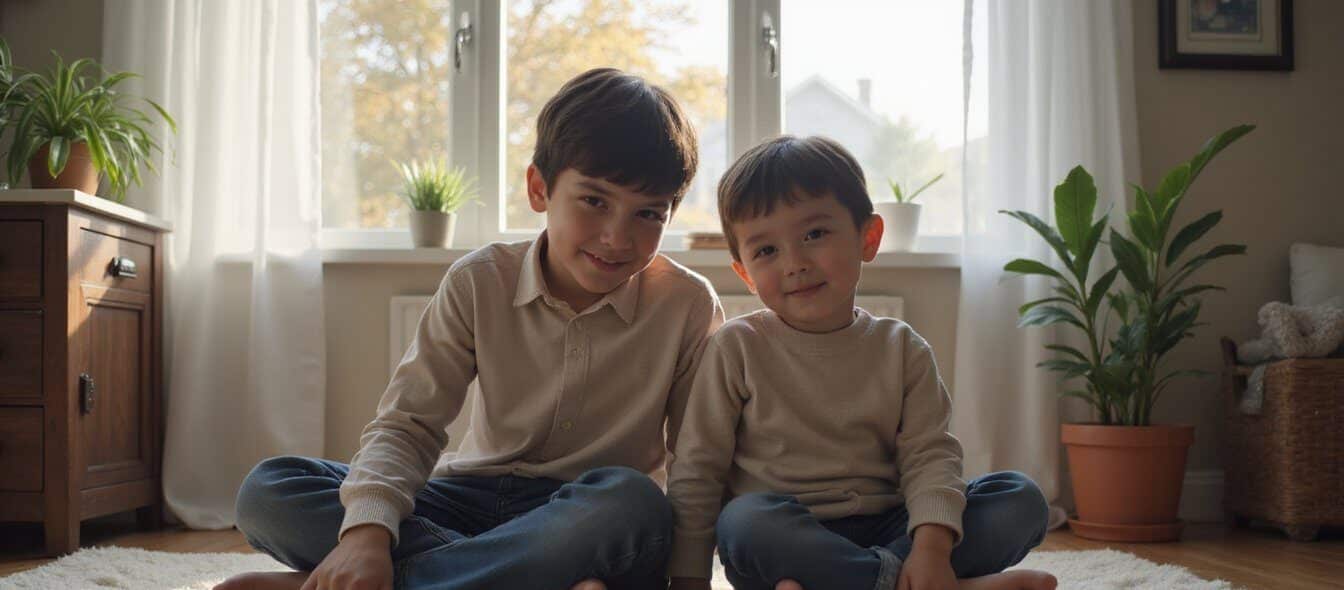
When you’re exploring intervention options for a child with autism spectrum disorder, you might not immediately consider the typically developing siblings already living under your roof. Yet research shows these family members can become powerful intervention agents. Studies demonstrate that siblings achieve 80% mastery of behavioral skills within just two consecutive training sessions.
The unique sibling dynamics create natural advantages. Unlike therapist-led sessions, siblings provide constant access to practice opportunities during daily routines. Their peer influence carries distinct weight, children with ASD respond more readily to initiations from siblings and show increased engagement during play. Interventions delivered by familiar persons like siblings may also lead to better maintenance and generalization of learned skills. Effective strategies include siblings incorporating the interests of the child with ASD, staying in close proximity, inviting play, and providing positive reinforcement. The unique sibling dynamics create natural advantages. Unlike therapist-led sessions, siblings provide constant access to practice opportunities during daily routines. Their peer influence carries distinct weight, children with ASD respond more readily to initiations from siblings and show increased engagement during play. Interventions delivered by familiar persons like siblings may also lead to better maintenance and generalization of learned skills, though practitioners must remain attentive to when interventions may harm families by overburdening siblings or disrupting healthy family roles. Effective strategies include siblings incorporating the interests of the child with ASD, staying in close proximity, inviting play, and providing positive reinforcement.
Through structured 15-30 minute sessions three times weekly, trained siblings effectively improve social reciprocity, imitation, and joint attention skills while strengthening family bonds. Research across eight included studies with participants ranging from 4-16 years old supports the effectiveness of sibling-oriented interventions in improving both knowledge about autism and psychological functioning.
What Sibling-Led Interventions Look Like in Practice
Understanding that siblings can serve as effective intervention partners naturally raises the question: what do these interventions actually look like during daily family life? The dynamics of these interactions often depend on who should be present for an intervention, as the presence of key family members can significantly influence the outcomes. Engaging siblings, parents, and even extended family members allows for a comprehensive support system that fosters open communication. Each individual’s perspective can contribute to a more meaningful dialogue about the challenges being addressed.
In practice, you’ll see structured approaches where typically developing siblings learn specific skills like giving appropriate commands during play, praising positive behaviors with physical contact, and responding consistently to non-compliance. The shared history impact between siblings creates natural teaching moments through turn-taking games, cooperative puzzles, and sensory-friendly activities.
Siblings learn structured skills like giving commands during play, praising behaviors, and creating natural teaching moments together.
Video modeling offers another powerful tool. Your neurotypical child learns scripts for role-play scenarios, teacher, doctor, firefighter, then watches recorded examples together before practicing. This respects family hierarchy while empowering siblings as partners rather than therapists.
These interventions extend beyond home, with siblings prompting social skills in cars, stores, and community settings, reinforcing generalization across environments. Celebrating achievements together during these community outings reinforces self-esteem and a sense of belonging for both siblings. Research shows that involving siblings in ABA fosters empathy, patience, and understanding while reducing isolation and strengthening family relationships. Training siblings to recognize early warning signs of meltdowns enables them to stay calm and avoid escalating challenging situations.
How to Train Siblings to Deliver Interventions at Home

Because siblings already share daily routines and play opportunities, they’re uniquely positioned to reinforce skills throughout the day, but effective participation requires structured training.
You’ll want to start with age-appropriate education about autism, using books, videos, and support groups that clarify behaviors and build empathy. This foundation strengthens emotional closeness while reducing confusion.
Next, involve siblings in therapy sessions where coaches model specific techniques, turn-taking, positive reinforcement, and conflict resolution. Role-playing scenarios let them practice play-based language and perspective-taking in safe environments. Research confirms that sibling relationships are malleable, making this training particularly effective for lasting behavioral change.
Assign weekly home activities that promote skill generalization. Joint chores, games, and creative projects reinforce cooperation while strengthening family systems naturally. These shared routines and responsibilities also build teamwork and mutual respect among all family members.
Finally, incorporate community outings where siblings apply learned strategies in real-world settings like parks or stores. Coach-facilitated practice builds confidence and guarantees consistent skill delivery across environments. Studies demonstrate that neurotypical siblings experience increased confidence and pleasure when interacting with their sibling with ASD following proper training.
What the Research Says About Sibling-Led Intervention Outcomes
How effective are sibling-led interventions, and what does current research tell us? Studies show promising results, particularly when you address conflict history and build intervention credibility through proper training.
Research highlights three key findings:
Sibling-led interventions deliver measurable improvements in relationship quality, reciprocal interactions, and mental health outcomes.
- Improved relationship quality: Sibling dyads showed significant reductions in conflict and aggression over 18 months in foster care settings.
- Enhanced reciprocal interactions: Neurotypical siblings increased positive initiations toward siblings with ASD, with gains maintained at follow-up.
- Mental health benefits: Small but consistent improvements appeared in sibling mental health across multiple informant reports.
However, you should note that evidence remains limited in scope. Only six RCTs achieved significant outcomes, and researchers emphasize needing sibling-specific measurement tools beyond general assessments to capture nuanced experiences accurately.
How to Protect Siblings From Burnout During Interventions

When siblings take on leadership roles in interventions, they’re vulnerable to emotional exhaustion that can undermine both their well-being and the intervention’s success. In sibling-led intervention scenarios, you must recognize burnout signs early, watch for frustration during interactions, withdrawal from personal activities, or rising resentment. Parental influence on intervention outcomes is critical in supporting siblings as they navigate these challenges. When parents are active participants, they can help mitigate the emotional strain by providing guidance and recognition of the siblings’ efforts. This involvement not only aids in reducing burnout but also enhances the overall effectiveness of the intervention.
Protect yourself by implementing structured self-care practices. Schedule regular breaks and use weekly check-ins to adjust your addiction recovery roles as needed. Set clear boundaries around your involvement, and don’t hesitate to step back when overwhelmed.
Distribute responsibilities evenly among family members through visible schedules and family meetings. One-on-one time away from caregiving duties preserves your energy and emotional resilience. Promote positive interactions through joint activities that rebuild connection rather than drain it. Encouraging teamwork on projects helps build stronger bonds and positive feelings between siblings while reducing tension. Research shows that sibling warmth is linked to peer acceptance, social competence, and later intimate relationships, making these positive connections worth protecting. Introduce new skills or changes during HRE moments when the child is calm and cooperative, making interventions more effective and less draining for everyone involved. Sustainable involvement requires balancing support with self-preservation.
Frequently Asked Questions
Can Siblings Lead Interventions for Conditions Other Than Autism Spectrum Disorder?
Yes, siblings can lead interventions for conditions beyond autism spectrum disorder. You’ll find evidence supporting sibling-focused programs for foster care youth, children with chronic disorders, and those affected by cancer. These interventions show promise in improving relationship quality and mental health outcomes. However, you should note that research remains limited in size and quality across many conditions. You’ll want to examine each situation carefully, as sibling leadership works best in specific contexts.
What Happens When Sibling Rivalry Interferes With the Intervention Process?
When sibling rivalry interferes, you’ll likely see escalating conflicts, provocation cycles, and emotional reactions like jealousy that block honest communication and skill-building. Competition disrupts collaborative problem-solving, while aggression reduces participation in sessions.
You can address this by moving to neutral therapy spaces, involving trained mediators, and combining family counseling with individual therapy. Research shows 2-7 weekly sessions can improve relationships, though you’ll need continuous monitoring to adjust plans as dynamics shift.
At What Age Can Siblings Start Participating as Intervention Partners?
You can involve siblings as intervention partners starting at age 8, with group interventions typically accepting participants aged 8, 16. When pairing siblings, keep the age gap within 4 years for ideal effectiveness. For younger participants, you’ll want to incorporate frequent breaks, play-based activities, and simpler language. If you’re working with early childhood cases, planning commences around the child’s third birthday, creating natural opportunities for sibling involvement.
Should Siblings Be Compensated or Rewarded for Leading Intervention Sessions?
You should consider offering recognition or incentives to siblings who lead intervention sessions. Compensation doesn’t have to be monetary, it can include praise, special privileges, or quality time with parents. Rewarding their efforts acknowledges the emotional labor involved and reinforces their commitment. However, you’ll want to balance rewards carefully so the sibling’s motivation remains intrinsic and the helping role doesn’t feel transactional or burdensome over time.
How Do Sibling-Led Interventions Affect the Family Dynamic Long-Term?
Sibling-led interventions can reshape your family dynamic by strengthening bonds that influence lifelong social skills and relationship patterns. When you empower a sibling to lead, you’re fostering prosocial behavior, empathy, and improved communication that often extends into adolescence and beyond. These changes reduce long-term risks for academic struggles and substance use while building secure attachment patterns. However, you’ll want to monitor for unresolved conflicts that could undermine these positive outcomes over time.