






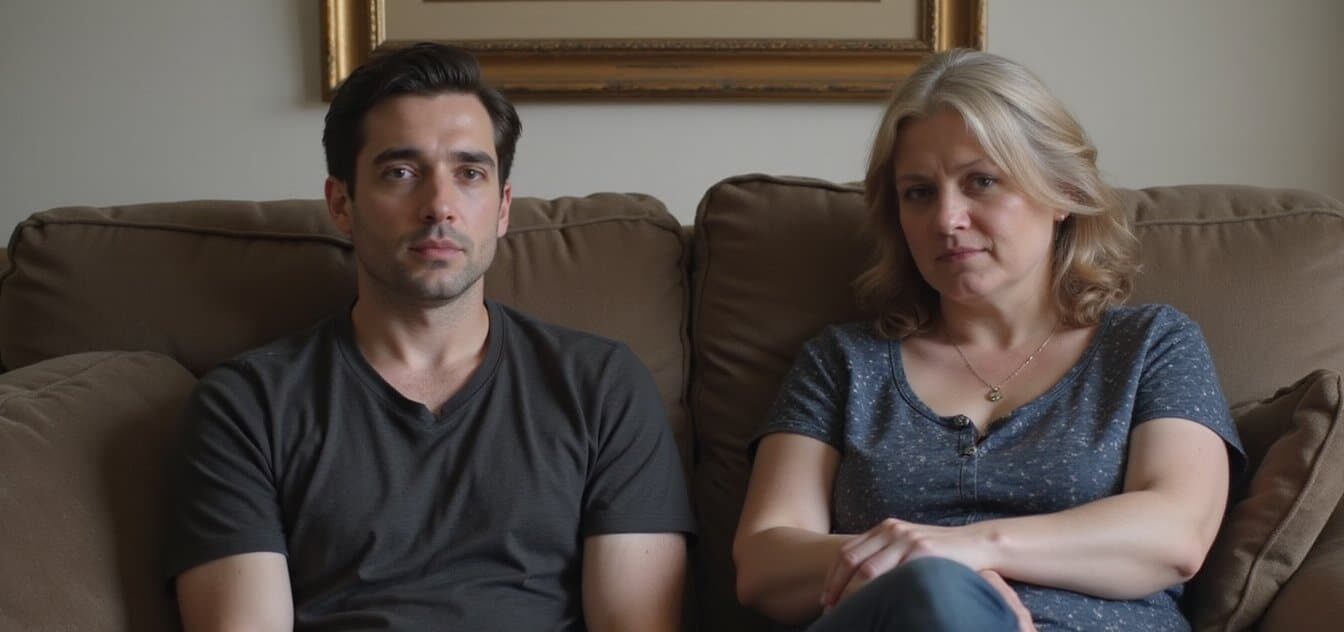

Your best path depends on severity, research shows approximately 70% of people with alcohol problems recover without formal treatment, but these cases typically involve lower severity and shorter drinking histories. If you’re dealing with severe dependence, co-occurring mental health conditions, or failed self-change attempts, professional intervention becomes essential. High dependence severity triples the likelihood you’ll need continuous abstinence support. Understanding the specific warning signs helps you match the right approach to your situation.
How Problem Severity Determines the Best Recovery Path

Severity matters. When evaluating intervention vs waiting, you must first assess the full clinical picture. Low-risk profiles across dependence indicators suggest you may achieve recovery outcomes through moderation or natural resolution. However, high dependence severity triples your likelihood of needing continuous abstinence over controlled drinking. In cases where low-risk profiles are established, a decision can often be made to monitor the situation closely with no intervention needed. This approach allows individuals to regain control without the pressures of immediate treatment. By fostering a supportive environment, we can further enhance the chances of self-directed recovery.
Your addiction decision-making capacity diminishes as severity increases. Co-occurring mental health conditions signal that substance use disorder treatment becomes essential rather than optional. Research shows intervention effectiveness rises dramatically for severe profiles, where waiting produces unstable outcomes 4.6 times more frequently. Those with psychiatric comorbidity and prior treatment history tend to require more recovery attempts before achieving sustained resolution.
Don’t rely on drinking quantity alone. You need a multidimensional assessment examining dependence levels, psychological distress, and prior treatment history. This individualized approach matches your specific severity to the most efficient recovery path, whether that’s structured intervention or monitored natural recovery.
Why 70% Recover From Alcohol Problems Without Treatment
How can most people with alcohol problems recover without ever entering treatment? Research shows spontaneous recovery rates reach approximately 70%, challenging natural recovery myths that suggest treatment is always necessary. Over 54% of individuals in remission achieved it without formal intervention, and more than 70% of problem resolutions occur outside clinical settings.
Several factors predict successful natural recovery:
- Lower drinking frequency, each additional drinking day reduces remission rates by 8%
- Less severe addiction patterns correlate with higher untreated remission
- Positive coping strategies and robust support systems
- Longer initial sobriety duration reduces subsequent relapse risk
You should understand that untreated samples typically involve lower severity cases. Those with mild to moderate alcohol problems often achieve stable low-risk drinking, while severe cases generally require structured intervention for comparable outcomes. Research indicates that individuals who do recover typically make a median of two attempts before successfully resolving their substance use problem. For individuals with severe alcoholism, professional assessment can determine the appropriate level of care needed to achieve lasting recovery. Additionally, improving overall recovery rates will require offering interventions outside traditional health care settings to reach more individuals in need.
Who Actually Benefits From Professional Intervention?

Professional intervention isn’t equally necessary for everyone, your likelihood of benefiting depends on specific clinical indicators. If you’re dealing with severe dependence, co-occurring mental health conditions like depression or anxiety, or you’ve already attempted to quit on your own without lasting success, structured intervention considerably improves your odds of sustained recovery. These three factors, severity, comorbidity, and failed self-change attempts, serve as reliable markers that distinguish those who need professional support from those who may recover through less intensive pathways.
Research shows that longer treatment programs of 90 days or more achieve success rates of up to 50%, demonstrating the value of sustained professional intervention for those with these clinical indicators. Young adults between 18 and 25 may particularly benefit from professional support, as this age group experiences the highest prevalence of alcohol dependence compared to other demographics. The intervention process itself has an 80-90% success rate in getting individuals to choose treatment, with about half of those who initially decline seeking help within a week or two.
Severity Predicts Treatment Need
Research consistently shows that intervention effectiveness correlates directly with symptom severity, studies targeting individuals with heightened or clinical mental health symptoms achieved uptake rates of 81.9%, far exceeding programs with universal enrollment. When examining intervention vs waiting for recovery, addiction psychology reveals that moderate-to-severe cases respond considerably better to structured treatment.
Your recovery initiation depends on accurate severity assessment. Consider these evidence-based findings:
- Digital interventions proved effective in 47% of programs targeting increased symptoms
- Offline computer-based programs achieved effectiveness in 10 of 11 studies
- Partial effectiveness occurred when depression scores decreased 2.5 points on PHQ-9
- Universal enrollment programs showed markedly low overall reach
Effective addiction support strategies require matching treatment intensity to symptom severity. Higher relapse likelihood accompanies untreated moderate-to-severe presentations, making professional intervention essential rather than optional. Internet-based cognitive behavioral therapy was the most common intervention type, demonstrating the growing role of digital platforms in delivering structured mental health treatment. This is particularly relevant given that only about one third of college students with mental health disorders currently receive treatment, highlighting the critical gap that digital interventions can help address. Notably, e-mental health interventions demonstrated a large effect on relieving stress and anxiety among healthcare professionals, further supporting the value of timely intervention over passive waiting.
Mental Health Comorbidity Cases
Beyond severity alone, the presence of co-occurring mental health conditions fundamentally changes who benefits most from professional intervention. When depression accompanies substance use disorders, only 13% receive integrated care despite the majority accessing separate treatments. This fragmentation creates significant behavioral change barriers that waiting simply cannot address.
Research demonstrates that collaborative care models produce statistically significant improvements in both psychiatric and medical outcomes. The TEAMcare intervention achieved measurable gains across depression scores, metabolic indicators, and quality of life over 12 months. These results held regardless of care manager background or clinical setting. Researchers from Cambridge Health Alliance and Harvard Medical School, along with partners at Humana, Inc., have contributed to advancing understanding of these integrated care approaches.
Family involvement amplifies treatment effectiveness, with family-based interventions yielding effect sizes more than double those of individual approaches. Comorbid conditions intensify motivation limitations, making professional intervention essential rather than optional for meaningful recovery outcomes. Digital integrated interventions for these comorbid conditions most commonly employ self-monitoring and psychoeducation as core treatment strategies, appearing in 79% and 71% of studies respectively. Patients with mental illness and physical health conditions are 56% more likely to be readmitted within 30 days, underscoring why passive waiting fails this population.
Failed Self-Change Attempts
Repeated attempts at self-directed recovery that end in relapse often signal when professional intervention becomes most beneficial. When someone cycles through promises, brief periods of sobriety, and inevitable return to substance use, passive support isn’t working. This pattern indicates addiction has compromised decision-making and self-regulation capacity beyond what willpower alone can overcome.
Structured support vs passive support becomes critical when self-change fails repeatedly. Professional intervention addresses this by:
- Applying motivational interviewing techniques that match the individual’s current stage of change
- Identifying specific barriers, denial, withdrawal fears, work concerns, that derailed previous attempts
- Coordinating immediate treatment entry before resolve fades
- Creating accountability structures that self-directed efforts lack
Evidence shows 80-90% of professionally-facilitated interventions result in treatment acceptance, transforming failed patterns into recovery momentum. Unlike family-led attempts, professional interventionists maintain emotional boundaries while demonstrating genuine care, preventing manipulation tactics that often derail conversations when loved ones attempt intervention alone. In cases where an individual poses a danger to self or others, forcible interventions through court orders may become necessary as a last resort when all other approaches have failed. Research on healthcare professionals in monitoring programs shows that approximately three-quarters achieve abstinence and maintain employment, demonstrating the effectiveness of structured professional support over self-directed attempts.
The Hidden Risks of Waiting for Natural Recovery
While families often hold onto hope that a loved one will “hit bottom” and choose recovery on their own, evidence shows what can happen during these waiting periods. Research indicates only 15% of individuals experience clinically meaningful improvement without treatment engagement, leaving 85% struggling with persistent symptoms.
Data suggests that improvement effects diminish profoundly after 20 weeks of waiting. During this time, conditions can escalate from manageable to critical. Untreated addiction causes progressive physical damage, heart disease, liver damage, and increased infection risks. Mental health can deteriorate simultaneously, with heightened anxiety, depression, and relapse cycles.
Social, financial, and legal consequences can mount as well. Each week without structured support can allow addiction to strengthen its grip. The impact of neglecting addiction recovery is profound, as it can lead to a cascade of negative outcomes that affect not only the individual but also their loved ones. As the struggle continues unchecked, relationships may deteriorate, and financial hardships can escalate, creating a vicious cycle that is hard to escape. This often underscores the urgent need for accessible support systems to facilitate healing and prevent further harm.
What Professional Treatment Adds to Natural Recovery
Professional treatment offers what natural recovery often cannot: structured therapeutic frameworks that target addiction’s neurological and behavioral patterns. In evidence-based treatment, approaches like Cognitive Behavioral Therapy and Motivational Interviewing can reduce substance use and improve functioning.
The data highlights treatment advantages:
- Professionally-facilitated interventions often achieve 80-90% treatment engagement rates, with additional individuals seeking help within two weeks
- Longer-term treatment (90+ days) is associated with stronger outcomes than brief interventions for higher-severity cases
- Integrated care improves outcomes when mental health conditions and substance use disorders overlap
- Medication-assisted options (when indicated) can stabilize withdrawal and reduce relapse risk
This doesn’t replace personal responsibility, it supports it with consistent clinical structure.
Warning Signs That Intervention Can’t Wait
If you’re seeing signs of severe alcohol use disorder, loss of control, withdrawal symptoms, escalating tolerance, or drinking to function, waiting becomes risky. Co-occurring mental health symptoms (depression, panic, trauma symptoms, suicidality) elevate urgency further. And any overdose risk or medical instability means immediate action is required.
Severe AUD Requires Treatment
Severe alcohol use disorder often requires professional treatment because physiological dependence can make quitting abruptly dangerous. Medical supervision is especially important when there is a history of seizures, delirium tremens symptoms, or severe withdrawal signs.
Mental Health Comorbidity Present
When mental health conditions co-occur, addiction recovery is harder to sustain without an integrated plan. Treating only substance use while psychiatric symptoms remain active often leads to repeated relapse cycles. Recognizing the signs of addiction intervention necessity is crucial for effective treatment. A comprehensive approach that addresses both mental health and substance use can significantly improve outcomes. This dual focus not only aids in breaking the cycle of addiction but also fosters long-term recovery and stability.
Life-Threatening Overdose Risk
If overdose symptoms are present, call emergency services immediately. For opioids: slowed or stopped breathing, blue lips, unresponsiveness. For stimulants: chest pain, dangerously high temperature, seizures, psychosis. For alcohol: unconsciousness, seizures, irregular breathing.
Matching the Right Recovery Approach to Your Situation
Three common pathways exist:
- Monitored natural recovery (best fit for lower severity, stable functioning, strong supports, no major withdrawal risk)
- Structured outpatient treatment (moderate severity, repeated failed attempts, or early mental health concerns)
- Higher-intensity/integrated care (severe dependence, withdrawal risk, suicidality, or dual-diagnosis needs)
Severity and comorbidity should drive the choice, not hope, guilt, or “rock bottom” myths.
Why Families Trust Reflection Family Interventions
At Reflection Family Interventions, 97% of our patients accepted treatment at the intervention, and 90% of those patients graduated from our family program sober six months later, results that speak for themselves.
Give Your Loved One the Best Chance at Recovery
When an intervention feels out of reach, it can feel like the situation will never change. But hope is never truly lost. Reflection Family Interventions offers compassionate intervention services thoughtfully built to guide your loved one toward the support and recovery they deserve. Call (888) 414-2894 today and allow us to stand beside your family every step of the way.
Frequently Asked Questions
How Long Should Families Wait Before Assuming Natural Recovery Isn’t Happening?
If there’s no measurable change, reduced use, fewer consequences, treatment-seeking, improved functioning, within 30, 90 days, it’s usually a sign that “waiting it out” isn’t working. The more severe the dependence and the longer the history, the shorter this window should be.
Can Someone Recover Naturally From Addiction While Still Drinking Occasionally?
Some people do resolve alcohol problems through moderation, but it’s most common in lower-severity profiles. With higher dependence, “occasional” drinking often acts as a relapse trigger rather than a stable endpoint.
Does Forcing Someone Into Intervention Reduce Their Chances of Long-Term Success?
Long-term outcomes track more closely with treatment quality, fit, and completion than with how someone enters care. Many people begin treatment ambivalent and develop motivation during the process.
What Role Does Genetics Play in Determining Natural Recovery Likelihood?
Genetics influences addiction vulnerability and how strongly reward pathways respond to alcohol, but it doesn’t “decide” fate. Higher inherited risk generally means a greater likelihood that structured supports will be needed to sustain recovery.
Are Online Support Groups Considered Natural Recovery or Formal Treatment?
Online support groups are typically classified as peer support rather than formal treatment. They can be a strong complement to recovery, but they aren’t a substitute for clinical care when severe dependence, withdrawal risk, or dual-diagnosis concerns are present.