






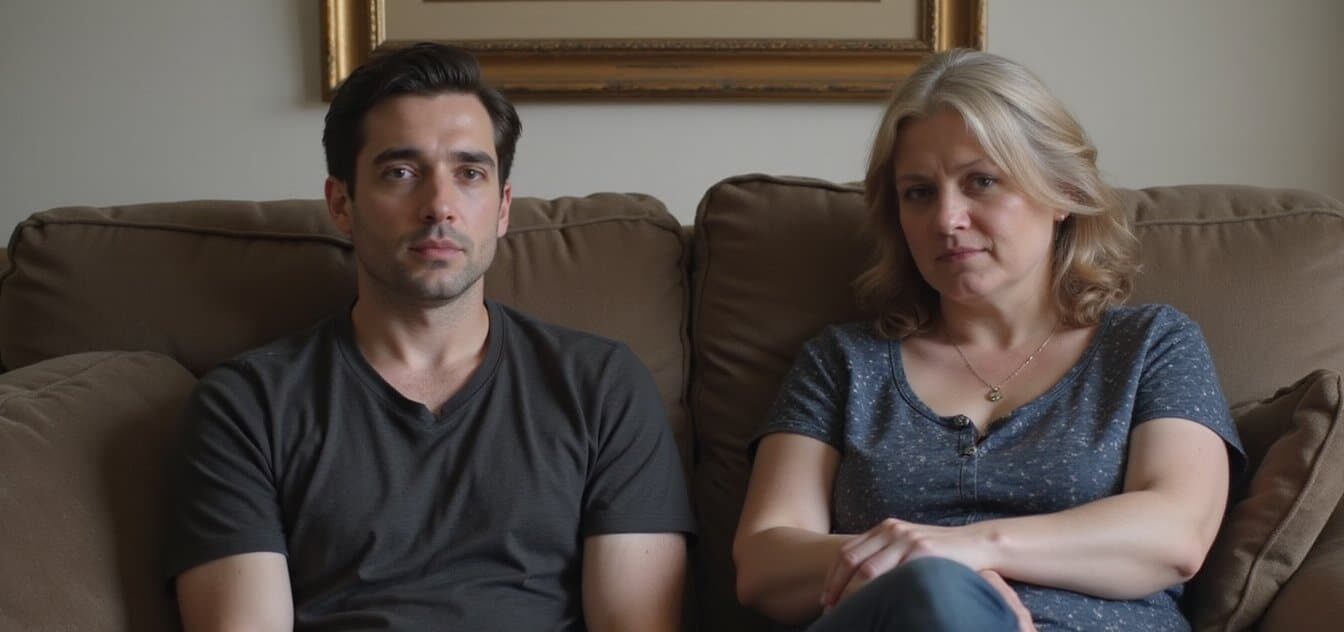

An intervention becomes necessary when a loved one’s addiction has progressed beyond the ability to recognize the harm it’s causing. Watch for sudden mood swings, withdrawal from family, neglected responsibilities, and increased secrecy. Families shouldn’t wait for someone to “hit rock bottom”, nearly 40% of people with substance use disorders don’t seek help because they don’t want to stop using. Understanding the specific warning signs can help families determine when it’s time to act. An intervention becomes necessary when a loved one’s addiction has progressed beyond the ability to recognize the harm it’s causing. Watch for sudden mood swings, withdrawal from family, neglected responsibilities, and increased secrecy, these are often early consequences of untreated addiction issues. Families shouldn’t wait for someone to “hit rock bottom”, nearly 40% of people with substance use disorders don’t seek help because they don’t want to stop using. Understanding the specific warning signs can help families determine when it’s time to act.
Behavioral Red Flags That Signal the Need for Intervention

When addiction takes hold, behavioral changes often emerge before a person acknowledges a problem. Families may notice sudden mood swings, unexplained irritability, or anger outbursts that seem disproportionate to situations. As addiction progression continues, withdrawal from family activities and increased secrecy become more pronounced.
Behavioral escalation often manifests through paranoid thoughts, personality shifts, or unusual agitation. Families may observe a loved one becoming increasingly isolated, denying any concerns raised, and displaying confusion or erratic behavior patterns. Recognizing these warning signs early allows for proactive intervention approaches that can address the condition before it progresses to a more severe disorder.
These changes don’t occur overnight. They develop gradually, making them easy to dismiss initially. However, when multiple behavioral shifts appear simultaneously or intensify over weeks, they indicate the addiction has moved beyond casual use into territory requiring structured intervention and professional support. Families may also notice neglected responsibilities at work, school, or home as the addiction takes priority over other areas of life. Over time, addiction alters the brain’s reward system, making it nearly impossible for a loved one to stop without professional help.
High-Risk Signs That Require Immediate Intervention
Certain situations demand action without delay, as the line between manageable addiction and life-threatening crisis can blur within hours. When families observe overdose indicators, shallow breathing, pinpoint pupils, blue-tinged skin, or unresponsiveness, emergency services should be contacted immediately. These signs indicate that substance use disorder has escalated beyond what any family can manage alone.
When addiction symptoms turn life-threatening, every second counts, call emergency services immediately without hesitation.
Watch for psychotic behavior, seizures, or chest pain suggesting cardiac distress. Hallucinations, severe paranoia, or violent outbursts signal dangerous neurological effects requiring professional intervention. Stimulants like methamphetamine and cocaine can cause increased aggression along with dangerous changes in heart rate and blood pressure.
The family impact of addiction intensifies dramatically during these emergencies. Families can’t negotiate with someone experiencing delirium or respiratory failure. Mental health crises, including suicidal ideation or severe panic attacks, also warrant immediate response. Withdrawal symptoms such as tremors, sweating, or nausea indicate the body has adapted to the substance and may require medical supervision to stop safely.
Don’t wait for confirmation or permission. Trust observable symptoms. Swift action during these high-risk moments can prevent permanent harm or death.
Why Their Denial Shouldn’t Stop You From Acting
Denial operates as addiction’s most reliable defense mechanism, shielding the person from recognizing damage that’s painfully obvious to everyone around them. Nearly 40% of untreated individuals don’t want to stop using, while denial in addiction prevents millions more from acknowledging they need help. Waiting for self-awareness often proves futile, after 10 years, only 5% of those with alcohol abuse seek treatment independently.
Intervention necessity doesn’t depend on a loved one’s readiness. Treatment-seeking rates in the first year remain staggeringly low: just 5% for alcohol dependence and 13% for drug dependence. These statistics confirm that denial doesn’t resolve with time or accumulated consequences. Families are not overstepping by acting; families are responding to sustained patterns of harm that the addicted person’s compromised judgment cannot process accurately. With over 37% avoiding treatment specifically due to fear of stigma, supportive intervention can help overcome barriers the person cannot address alone. Because addicted individuals view their substance as a solution, not a problem, they quickly dismiss any connection between their difficulties and their drug or alcohol use. Without intervention, the lifetime probability of seeking treatment for alcohol abuse reaches only 16%, making family action essential rather than optional.
When Failed Treatment Makes Intervention Necessary
Failed treatment attempts signal a need for recalibrated intervention, not abandonment of hope. Relapse cycles represent a normal part of recovery, with nearly half of individuals requiring multiple treatment contacts before achieving sustained sobriety. When someone returns to use after initial treatment, the body faces heightened overdose risk due to reduced tolerance, making the response time-sensitive.
Families should consider repeat interventions after relapse, legal complications, health deterioration, or job loss. Professional-led approaches maintain over 90% agreement rates even with individuals who’ve previously refused help. The key lies in adjusting tone and approach based on evolving circumstances while preserving supportiveness. Proper planning before conducting the intervention ensures the effort remains focused and increases the likelihood of a successful outcome.
Starting continuing care within 14 days of discharge markedly reduces readmission rates. Each intervention attempt reinforces the seriousness of the situation and demonstrates sustained commitment to recovery. Family members who participate in family recovery programmes can better cope with the emotional toll of supporting a loved one through multiple treatment attempts. Research shows that voluntary, harm reduction-oriented approaches are more effective than forced treatment, so maintaining a supportive rather than coercive tone during repeated interventions improves long-term outcomes.
Should You Hire a Professional Interventionist?

When previous treatment attempts haven’t produced lasting recovery, families may question whether involving a professional interventionist could change the outcome. These certified specialists bring objectivity that family members simply can’t provide when emotions run high.
Professional interventionists understand how addiction creates impaired judgment, making self-recognition of the problem nearly impossible. They’re trained to navigate complex family systems where enabling behaviors have developed over time. They also guide family members in crafting effective impact statements that help the individual understand how addiction has affected loved ones.
Addiction impairs judgment, making self-awareness nearly impossible, professional interventionists cut through denial and family dynamics that enable the cycle.
Consider hiring a professional when:
- Family dynamics include unresolved conflict that derails productive conversation
- Previous attempts resulted in escalation or manipulation
- The addiction involves co-occurring mental health conditions
Research shows interventions led by professionals achieve 80-90% success rates. They’ll coordinate treatment placement, establish boundaries, and provide post-intervention support that sustains momentum toward recovery. Additionally, about half of those who don’t initially accept treatment choose to seek help within a week or two. Their extensive professional connections to family counselors, social workers, and treatment specialists can open doors to resources that families may not access on their own.
What Happens During a Formal Intervention?
A formal intervention follows a structured sequence designed to break through addiction’s grip on judgment while preserving relationships. Families gather a support team in a private location where participants share prepared impact statements describing how loss of control has affected them personally.
| Phase | Purpose |
|---|---|
| Opening | Present concerns non-judgmentally |
| Impact Statements | Detail specific consequences |
| Treatment Offer | Provide immediate options |
| Decision Point | Secure commitment or implement boundaries |
The meeting typically lasts thirty minutes to two hours. Families present concrete examples of untreated addiction risks affecting health and relationships. Before the intervention takes place, pre-intervention planning meetings help the team gather information and assess the severity of the situation. If a loved one accepts help, families arrange immediate transport to treatment. If the person refuses, families implement predetermined consequences, including disengagement until support is accepted. Working with an intervention specialist or professional counselor can help guide the team through this process and avoid common mistakes.
Treatment Options and Boundaries to Prepare in Advance
Before approaching a loved one, families need to research treatment programs that match specific substance use patterns and any co-occurring mental health conditions. With outpatient treatment available at 82% of facilities and residential options at 24%, families can identify realistic placement options and verify insurance coverage or payment arrangements in advance. Establishing clear consequences, such as changes to living arrangements or financial support, provides concrete boundaries to present if help is refused.
Researching Available Treatment Programs
How does a family identify the right treatment program when options range from weekly outpatient sessions to year-long residential care? Start by evaluating health deterioration severity and treatment readiness to match appropriate ASAM levels of care.
Consider these key factors when researching programs:
- Severity evaluation, Mild cases often respond to standard outpatient care (9 hours weekly or less), while severe addictions typically require residential treatment with 24/7 supervision.
- Life commitments, IOP and PHP options allow maintaining work, school, or family responsibilities during recovery.
- Specialized services, Look for facilities offering telehealth access, co-occurring disorder treatment, or MAT when clinically indicated.
Families want programs that integrate evidence-based therapies like CBT and Motivational Interviewing. Treatment levels aren’t permanent, transitions between outpatient and residential care occur as needs evolve.
Establishing Clear Consequences
When families prepare for an intervention, establishing clear consequences transforms abstract concerns into concrete accountability, a step that directly influences whether someone enters and completes treatment. Without defined boundaries, addiction continues unchecked, consider that over 95% of people needing drug rehab in 2023 didn’t receive it.
Families must outline specific responses to treatment refusal: withdrawing financial support, limiting housing access, or adjusting custody arrangements. These aren’t punishments; they’re protective measures against enabling substance dependency.
Research shows less than 43% entering treatment complete it. Clear consequences increase commitment by making continued use unsustainable. When someone understands that relationships, employment, and stability depend on the choice, treatment becomes the logical path forward. Boundaries communicate that while recovery is supported, destruction won’t be subsidized.
Why Interventions Work Even When They Don’t Seem To
Though an intervention may not lead to immediate treatment acceptance, the process itself often plants seeds that take root over time. Research shows 71% of people who eventually recover experienced multiple periods of abstinence before achieving lasting sobriety. A loved one’s initial resistance doesn’t indicate failure, it reflects addiction severity affecting judgment.
Consider these evidence-based reasons interventions create impact:
- They establish awareness: Naming addiction warning signs breaks through denial and documents consequences clearly.
- They build a foundation: 75% of people who receive treatment eventually recover, often after multiple attempts.
- They shift dynamics: Clear consequences change enabling patterns that perpetuate use.
Even when someone doesn’t accept help immediately, the status quo has been disrupted. The intervention becomes a reference point the person may recall when consequences escalate further.
Why Families Trust Reflection Family Interventions
At Reflection Family Interventions, 97% of our patients accepted treatment at the intervention, and 90% of those patients graduated from our family program sober six months later, results that speak for themselves.
Take the First Step Toward Recovery Today
When you or someone you love is struggling with addiction, the time to act is now. Reflection Family Interventions offers expert drug addiction intervention services designed to compassionately guide those in need toward the care and recovery they deserve. Call (888) 414-2894 today and let us help you take that important first step.
Frequently Asked Questions
Can an Intervention Make My Loved One’s Addiction Worse?
Yes, an intervention can worsen outcomes if handled poorly. Ambush-style approaches often create resentment and violate a loved one’s sense of autonomy, reducing investment in recovery. Research shows coerced treatment doesn’t improve substance use outcomes compared to voluntary treatment. Additionally, the stress of a confrontational intervention can trigger heightened cravings and relapse risk. Better results occur with approaches that involve a loved one in decision-making and address underlying emotional factors.
How Long Should We Wait Before Considering an Intervention?
Families shouldn’t wait for a specific timeline, focus instead on patterns of escalating harm. Research shows addiction careers average 27 years from first use to recovery, and waiting for someone to “hit bottom” prolongs suffering unnecessarily. When families are observing sustained loss of control, deteriorating relationships, health decline, or safety risks, those patterns indicate it’s time to act. Earlier intervention typically leads to better outcomes than a delayed response.
What if Family Members Disagree About Whether an Intervention Is Needed?
When family members disagree, underlying dynamics should be addressed first. Research shows familial conflict itself increases addiction risk and blocks unified action. Start by acknowledging each person’s concerns without demanding immediate consensus. Consider involving a neutral professional who can help navigate communication barriers and differing perspectives. Focus conversations on observable behaviors and consequences rather than labels. Agreement is more likely when everyone feels heard and validated.
Are Interventions Appropriate for Behavioral Addictions Like Gambling or Gaming?
Yes, interventions are appropriate for behavioral addictions like gambling. Research shows that structured approaches combining Motivational Enhancement Therapy with Cognitive Behavioral Therapy produce significant reductions in gambling frequency and financial losses. Treatment also leads to broader improvements, including reduced psychological distress and enhanced coping skills. Since fewer than 15% of people with gambling disorders seek treatment independently, an intervention may provide the critical push needed to access effective help.
How Do We Handle an Intervention if Children Are Involved?
When children are involved, families need to prioritize safety and emotional well-being throughout the process. Arrange appropriate childcare during the intervention itself, children shouldn’t witness it directly. Families should also connect with family-based programs that address both the parent’s treatment and children’s support needs simultaneously. Research shows mothers in treatment with childcare access are 82% less likely to neglect their children, so integrating these services proves essential for family recovery.