






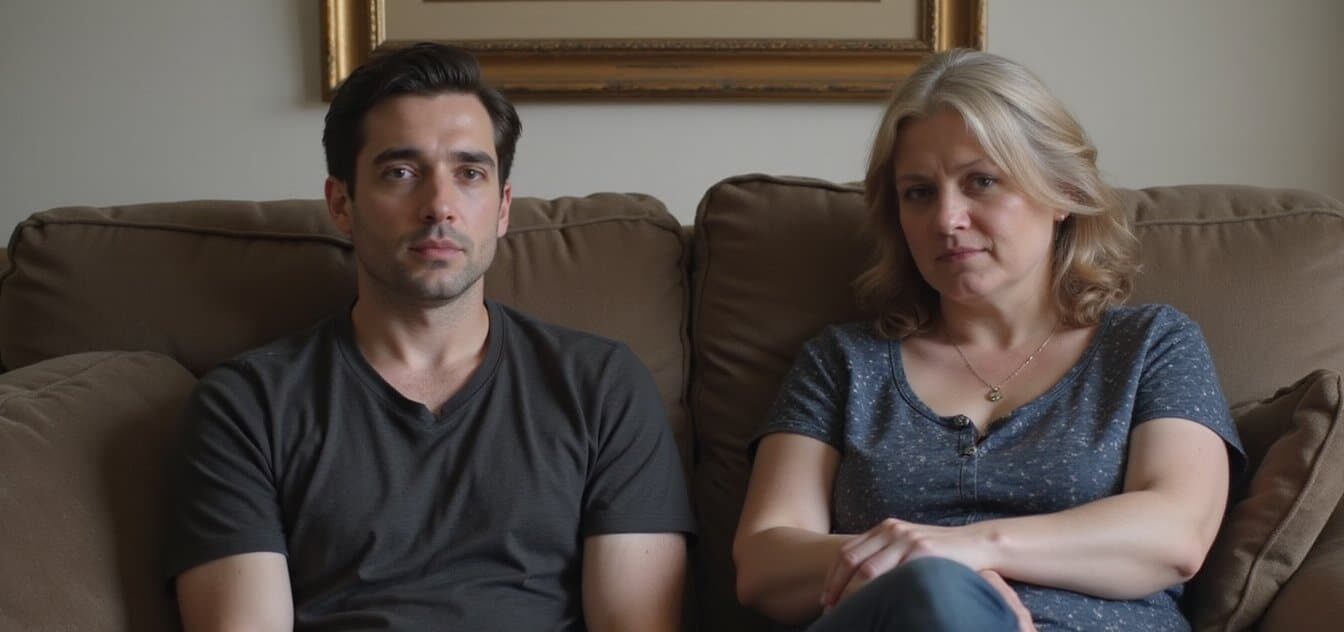

Yes, waiting for rock bottom is genuinely dangerous. There’s no measurable “bottom” that signals someone is ready for help, it’s a myth rooted in early AA philosophy, not medical science. While waiting, health risks escalate, relationships fracture, and the path to recovery actually narrows. Research consistently shows that early intervention leads to better outcomes than crisis-driven treatment. Understanding why this myth persists can help action be taken sooner.
What Does “Rock Bottom” Actually Mean?

When someone says a person needs to “hit rock bottom” before change can happen, what exactly does that mean? The term describes the lowest possible point, a crisis so severe that circumstances can’t realistically get worse. In addiction contexts, this might look like an overdose, arrest, job loss, or family abandonment.
Here’s what should be understood: rock bottom isn’t a fixed destination. It’s deeply subjective and varies dramatically from person to person. What feels catastrophic to one individual might not register as a crisis for another. The term can function as both a noun and adjective, with “rock bottom” describing the state and “rock-bottom” modifying other words. Even the kids definition simplifies it to the lowest point or level.
The rock bottom myth suggests there’s a universal threshold that triggers change. In reality, this concept lacks a scientific foundation. This harmful belief assumes that mental illnesses can’t be treated unless someone reaches an absolute lowest point first. There is no need to wait for complete collapse to seek help or to support someone who is loved.
Where the Rock Bottom Myth Came From
The rock bottom myth didn’t emerge from medical science, it grew from early Alcoholics Anonymous writings that described needing to be “badly mangled” before finding recovery. The term itself was actually coined in the 1880s to describe prices at their lowest limit, only later becoming associated with addiction. Over decades, this idea became culturally reinforced through 12-step programs, media portrayals, and well-meaning but misinformed advice from loved ones. Understanding these origins helps it become clear that waiting for rock bottom isn’t evidence-based guidance, it’s a misinterpreted narrative that can delay life-saving intervention. The truth is that rock bottom does not actually exist as a measurable point, making it an unreliable and harmful metric for determining when someone should seek help.
Origins in AA History
Although the phrase “hitting rock bottom” feels like timeless recovery wisdom, it actually emerged from a specific historical moment. The term first appeared in addiction treatment literature in 1965, but its roots trace back to early Alcoholics Anonymous members in the 1930s and 1940s.
AA’s founders, including Bill Wilson, had experienced extreme losses before achieving sobriety. Wilson drew heavily from William James’ early 1900s work on the “misery threshold,” which linked personal suffering to motivation for change. This shaped core addiction psychology principles within AA literature. The concept aligns with the transtheoretical model of behavior change, suggesting that perceived consequences drive readiness for transformation. Wilson found James’ philosophical and psychological framework instrumental in his own recovery, which influenced how AA approached the connection between suffering and sobriety.
Because early members often lost everything before seeking help, their experiences became the template. This created lasting addiction myths and motivation misconceptions, the belief that catastrophic suffering must occur before readiness for change exists. Early AA teaching suggested that hitting bottom opened one’s mind and made one willing to try something different. But that story doesn’t have to be repeated.
Cultural Reinforcement Over Time
Because dramatic transformation stories resonate deeply with audiences, rock bottom narratives have dominated recovery media for decades. Countless “before and after” recovery arcs suggest crisis must precede change. This cultural preference for clear turning points has skewed the understanding of substance use disorder progression and created harmful expectations.
The reality is that most people who quit drinking do so without hitting catastrophic lows. Yet quieter recoveries rarely make headlines, reinforcing myths that increase addiction fatality risk. Research confirms that early intervention significantly improves long-term recovery outcomes compared to waiting for a crisis. When families refuse to fund addiction while remaining emotionally present, a loved one can be supported toward recovery without waiting for catastrophe.
- Recovery media overrepresents severe cases while ignoring natural recoveries
- Delayed treatment harm occurs when families wait for collapse instead of intervening early
- Stigma frames ongoing use as personal failure, discouraging help-seeking
- Relapse risk and harm escalation increase the longer intervention is postponed
Misinterpreted Recovery Narratives
Understanding how rock bottom became gospel requires tracing its origins, and recognizing why those origins don’t hold up to scrutiny.
The concept emerged from early 12-step programs and treatment models that interpreted continued relapse as proof that not enough suffering had occurred yet. If use continued, the logic went, everything simply had not been lost. This framework positioned crisis as a prerequisite, health, relationships, finances, and spirit would be stripped away.
But this narrative misreads how change actually happens. Recovery stories often highlight dramatic turning points, yet research shows these moments are exceptions. Most people change for quiet, cumulative reasons. In fact, natural recovery is the dominant path, with the majority of people overcoming alcohol problems without professional help. Early intervention improves outcomes, making delayed treatment not just unnecessary but actively harmful. The 2025 Delphi consensus study confirmed what clinicians increasingly recognize: rock bottom has no clinical foundation. It confuses denial mechanisms with readiness, treating suffering as necessary medicine rather than preventable harm.
What Actually Happens When You Wait for Rock Bottom?
When rock bottom is reached, damage doesn’t stay still, it compounds across every area of life simultaneously. The brain’s reward pathways can become increasingly hijacked, making addiction prevention nearly impossible without professional support. Behavioral health risks can escalate as depression, anxiety, and denial strengthen their grip. This chemical disruption can lead to social isolation, creating a sense of disconnection from the world that reinforces depressive symptoms.
The overdose statistics are stark: 106,699 Americans died from drug overdoses in 2021, with opioids accounting for over 75% of those deaths. The concept of rock bottom itself remains an undefined concept, varying wildly from person to person and offering no reliable marker for when intervention should begin.
While waiting, here’s what can actively deteriorate:
- Relationships fracture as trust erodes, and loved ones distance themselves
- Financial stability crumbles through mounting debt and addiction-related expenses
- Legal consequences accumulate from minor issues into serious crises
- Cognitive function declines, reducing the capacity for clear decision-making
Each day of waiting narrows the path to recovery.
The Health Costs of Delaying Help

When rock bottom is waited for, the body doesn’t wait, untreated infections can become sepsis, and conditions like heart attacks cause more damage with every passing minute. Mental health can deteriorate alongside physical health, as untreated depression and anxiety can intensify into suicidal thoughts or complete disengagement from care. Research shows that even an 11-day increase in wait time raises two-year mortality by 1.5%, and these effects persist for at least five years.
Physical Deterioration Accelerates
Nearly one in three adults who delay medical care experience a measurable worsening of their health conditions, a statistic that carries profound implications for anyone waiting for addiction to reach a crisis point before help is sought.
When treatment is postponed, the body doesn’t pause its decline. Research shows delayed care leads to 9% longer hospital stays and considerably higher medical costs. Recovery readiness can diminish as physical health deteriorates, while treatment resistance often increases alongside worsening symptoms.
Consider these documented consequences of delayed care:
- Adults with chronic conditions are 76% more likely to postpone necessary treatment
- Heart failure patients who delay incur over $8,000 in additional annual expenses
- Elderly individuals experience more emergency room visits and lasting negative health effects
- Those in worse health are twice as likely to delay due to cost concerns
Mental Health Worsens
The body isn’t the only thing breaking down during this wait, mental health can deteriorate alongside it. Research shows 80% of people experience worsening mental health while awaiting treatment. This decline isn’t subtle, it’s measurable and dangerous.
| Condition | Increased Odds | Impact |
|---|---|---|
| Depression | 2.79x higher | Compounds daily functioning |
| Anxiety | 2.58x higher | Disrupts relationships, work |
| Suicidal ideation | 1.86x higher | Life-threatening crisis |
The family intervention rationale becomes clear when these numbers are understood. Waiting doesn’t preserve autonomy, it accelerates harm. Each day without support, brain chemistry can shift further from baseline, making recovery harder.
Motivation is not built through suffering. Ground can be lost. The compassionate choice isn’t patience, it’s action before these odds stack higher.
7 Warning Signs Someone Needs Help Now
Urgency often speaks through subtle shifts before it screams through crisis. Someone may be seen withdrawing from friends, struggling to complete daily tasks, or experiencing rapid mood swings that seem out of character. These changes signal that early intervention benefits everyone involved, the person suffering and those who care about them.
Early intervention transforms whispers of struggle into pathways for healing, don’t wait for the crisis to speak louder.
Watch for these critical warning signs:
- Expressing hopelessness, worthlessness, or thoughts of self-harm
- Increased substance use alongside declining performance at work or school
- Loss of touch with reality, confused thinking, or paranoid thoughts
- Neglecting personal hygiene combined with extreme fatigue or sleep changes
There is no need to wait for an unmistakable collapse. When these patterns are recognized, someone’s nervous system is asking for support. Acting now prevents irreversible damage and opens pathways to recovery before crisis demands it.
Why Early Intervention Works Better Than Crisis
When support is received before addiction or mental illness takes full hold, chances of complete recovery nearly double, jumping from 40% to 70%. Early intervention also cuts severe symptom risk from 50% to just 15%, while reducing hospitalization rates by two-thirds. When support is received before addiction or mental illness takes full hold, chances of complete recovery nearly double, jumping from 40% to 70%. These outcomes highlight why your intervention is required at the earliest signs of struggle. Early intervention also cuts severe symptom risk from 50% to just 15%, while reducing hospitalization rates by two-thirds.
So is waiting for rock bottom dangerous? The evidence clearly says yes. Delaying help extends severe episodes from three months to eight, giving problems time to damage careers, relationships, and health irreversibly.
There is no need to wait for collapse to deserve support. Every dollar invested in early intervention saves $2 to $10 in future costs, but more importantly, the life that has been built is preserved. Acting now, before crisis hits, isn’t weakness. It’s the most effective path toward lasting recovery and genuine healing.
How to Start a Conversation Before Rock Bottom
Starting a conversation about mental health doesn’t require a crisis, it requires attention. Since 50% of mental illness begins by age 14 and 75% by age 24, a powerful position exists to intervene early. When changes in someone’s behavior, mood, or functioning are noticed, waiting for escalation is not necessary.
Ways to start the conversation:
- Choose a private, low-pressure moment and express concern without judgment
- Focus on specific behaviors that have been observed rather than labels or diagnoses
- Share information about youth services and screening tools like Mental Health America’s online assessments
- Emphasize that early support builds skills for relationships, academics, and life challenges
Early detection allows for evidence-based treatments that reduce symptoms and improve functioning. A timely conversation could prevent years of unnecessary suffering.
Supporting Recovery Without Waiting for Disaster
Supporting someone’s recovery doesn’t require waiting until life falls apart. When early intervention happens, overstepping isn’t occurring, someone’s future may be saved. Research shows complete recovery rates reach 70% with early intervention compared to just 40% when help is delayed. Supporting someone’s recovery doesn’t require waiting until life falls apart. When early intervention happens, overstepping isn’t occurring, someone’s future may be saved. Research shows complete recovery rates reach 70% with early intervention compared to just 40% when help comes after delayed intervention.
Proactive support can prevent severe symptoms from developing in the first place. The risk of hospitalization drops from 30% to 10% when early care is provided. Crisis is not merely being avoided; relationships, education, and employment prospects can be protected.
Every dollar invested in early intervention yields $2 to $10 in long-term savings across healthcare and social costs. More importantly, someone is given the chance to return to daily life faster. Disaster does not need to be waited for, timely action creates lasting change.
Get Help Before It Is Too Late
When waiting feels like the safest path, every day that passes can bring your loved one closer to a breaking point. But it is never too late to step in. Reflection Family Interventions provides expert intervention services carefully designed to reach your loved one before the situation grows beyond repair. Call (888) 414-2894 today and let us help your family take action before it is too late.
Frequently Asked Questions
Can Someone Recover From Addiction Without Ever Hitting Rock Bottom?
Yes, recovery can happen without hitting rock bottom. Research shows nearly 70% of people with alcohol use disorder recover without formal treatment or dramatic crises. People may quit through gradual lifestyle changes, shifting priorities, or simply deciding the costs outweigh the benefits. Early intervention leads to better outcomes, reward pathways respond more effectively before severe damage occurs. Everything does not have to be lost to choose change.
How Do I Know if I’m Enabling Instead of Helping?
Enabling is likely when someone is being shielded from the natural consequences of actions. Questions can be asked: Are responsibilities being covered, excuses being made, or resources being provided that fuel harmful behaviors? If dependency is increasing without personal growth, that is a red flag. Helping empowers change, while enabling keeps someone stuck. Clear boundaries and accountability shift behavior toward genuine support.
What if My Loved One Refuses Help Before Reaching Crisis?
There is no need to wait for crisis, early intervention often leads to better outcomes. If help is refused, connection can be maintained without enabling. Support can be expressed as available when readiness changes. CRAFT techniques can be learned, which help families encourage treatment engagement without confrontation. Treatment services can also be contacted for guidance on motivating someone who is resistant. Ongoing presence matters, even when readiness isn’t there yet.
Does Rock Bottom Look Different for High-Functioning Addicts?
Yes, rock bottom often looks different when a high-functioning addict is involved. Dramatic collapses like job loss or arrest may not occur. Instead, rock bottom can emerge when a support network reaches its limit. It can show up as internal hopelessness masked by external success, strained relationships, and emotional distance. Continued functioning can be misleading, the distance between managing and crisis can remain dangerously short.
Will Intervening Too Early Cause My Loved One to Resent Me?
Short-term resentment is possible, but it is rarely permanent, and it is far less damaging than the consequences of waiting. Research shows early intervention produces better outcomes, with multiple-session approaches achieving markedly higher success rates. Resistance may occur initially, but gratitude is often expressed later when intervention is recognized as genuine care. The temporary discomfort of an honest conversation is worth preventing irreversible harm.